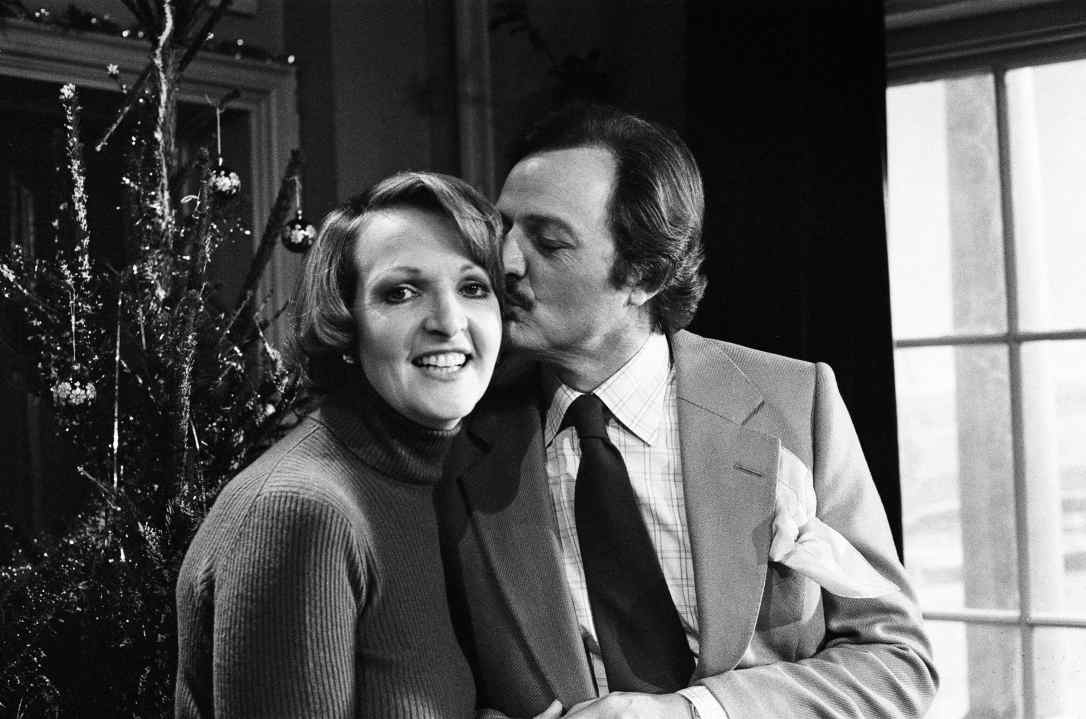
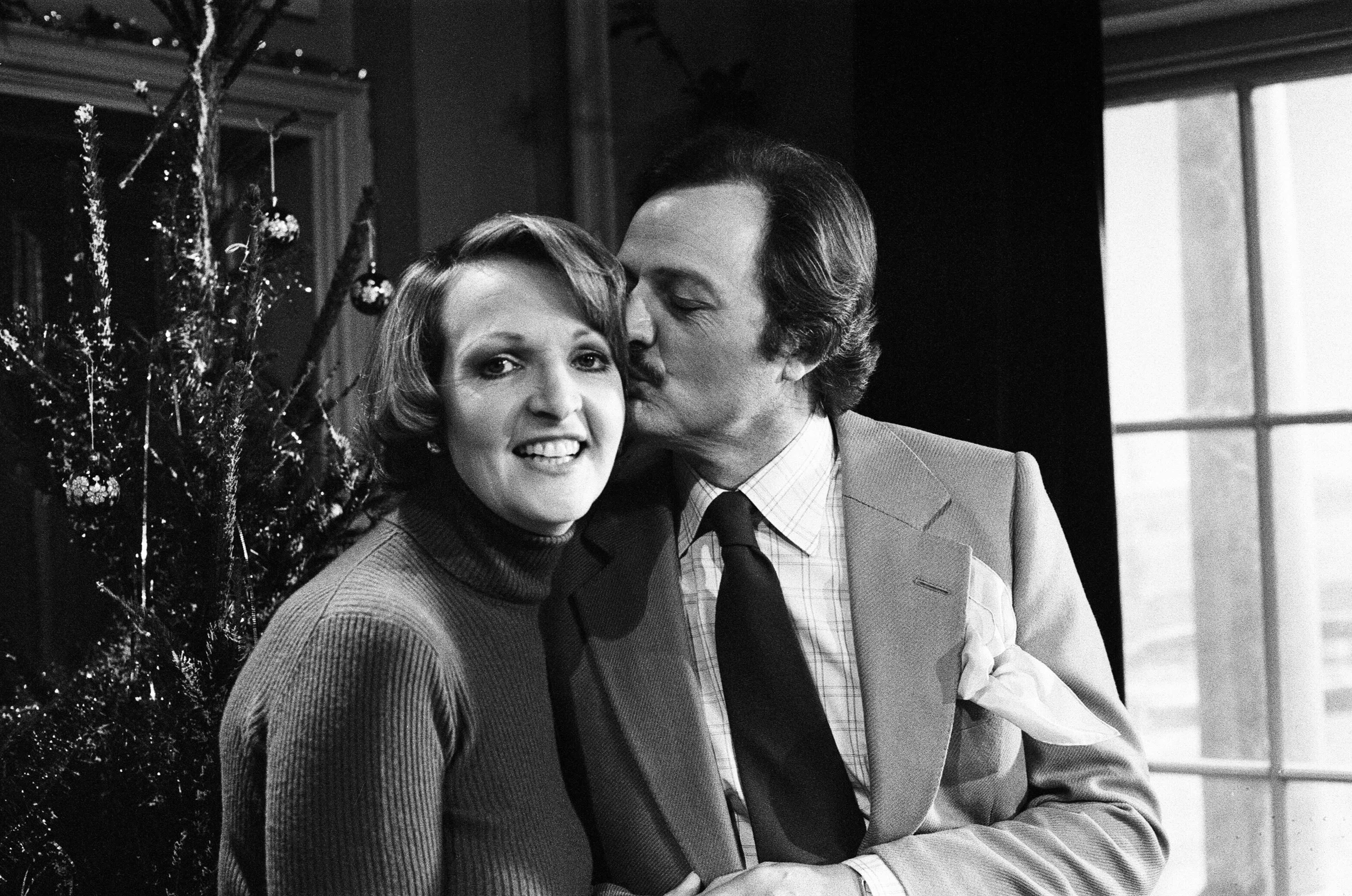
The news that Dame Penelope Keith has died at the age of 86 has devastated lovers of great British humour, to say nothing of Spectator readers. The two are, after all, closely linked. Keith was that rare actress who was the lead in not one but two seminal sitcoms, The Good Life and To The Manor Born. It would perhaps be an exaggeration to describe her performances as the aspirational Margo Leadbetter and the aristocratic Aubrey fforbes-Hamilton as showing thespian range. But there was no actress better at skewering the pretensions and absurdities of a certain kind of Englishwoman. Even today, if you say of someone that they are a ‘Penelope Keith type’, it is shorthand for Middle England in excelsis – even if that type is vanishing far quicker than is desirable.

Much the same might be said of the great, late Patricia Routledge in Keeping Up Appearances. Yet, while Routledge’s Hyacinth Bucket was an unsympathetic – if very funny – gorgon, Keith managed to make all the characters she played thoroughly charming. We laughed at Margo’s pomposity and her moments of apparent heartlessness, but many viewers would have found something to relate to in her mini-rants about changing society. Take the episode in which Keith-as-Margo unsuccessfully attempted to grow leeks and declared: ‘This leek business is symptomatic of the moral decline in this country since the fall of the last Conservative government. If it isn’t young girls with obscene innuendo on their T-shirts, it’s trade union leaders haranguing us from the safety of a television studio. It’s open-necked suits and trouser suits at the Dorchester… And to cap it all, it’s Test matches being marred by banner-waving thugs at Lords.’ You can tell that the studio audience’s laughter is as much in agreement with her sentiments as the way she delivers it: an aria of middle-class dissatisfaction with what is happening to her country.
If The Good Life’s gentle satire on class differences was too mild to be pointed, Keith’s other famous starring role in To The Manor Born offered a similar commentary that eventually turned into television’s most famous ‘will they, won’t they’. The relationship between her Audrey, a down-on-her luck aristocrat, and Peter Bowles’s nouveau riche Richard DeVere captivated audiences when the show first aired between 1979 and 1981. The final episode of the first series was watched by nearly 24 million viewers: the highest number for a non-live event in the decade and a near-unimaginable amount in these days of fragmented streaming.
Yet, if Keith’s stock in trade – hauteur with underlying warmth – was shown to its greatest extent in her two most famous shows, she also excelled elsewhere. Perhaps her on-screen persona was too arch and mannered to be a film star, with her most interesting role being as D.H Lawrence’s artist friend Dorothy Brett in the 1981 biopic Priest of Love. Yet she was a splendid classical actress who could move out of her comfort zone (she was a fine Hester in The Deep Blue Sea at the Theatre Royal Haymarket in 1988) and then back into it once again.
There was no actress better at skewering the pretensions and absurdities of a certain kind of Englishwoman
I saw her as a suitably imperious Lady Bracknell in The Importance of Being Earnest in 2008. I remember how the audience – almost entirely consisting of men and women of a certain age – sighed with appreciation every time she came on the West End stage and began to chuckle in anticipation before she even opened her mouth. By the time she delivered the famous ‘A handbag?’ line, Keith was all but milking the moment, knowing what was coming next. The gales of laughter were testament to a top-flight comedienne, completely in charge of her material.
Still, Lady Bracknell or not, there could be little doubt that Keith was one of the most popular members of her profession. She served with distinction as the president of the Actors’ Benevolent Fund – succeeding none other than Laurence Olivier. Her great love of all the things you might expect – National Trust properties, Gertrude Jekyll gardens and Brooklands Museum – were the epitome of someone who loved making people laugh in a generous and inimitable way. There will never be another Penelope Keith, and England will be the poorer for it.




Comments