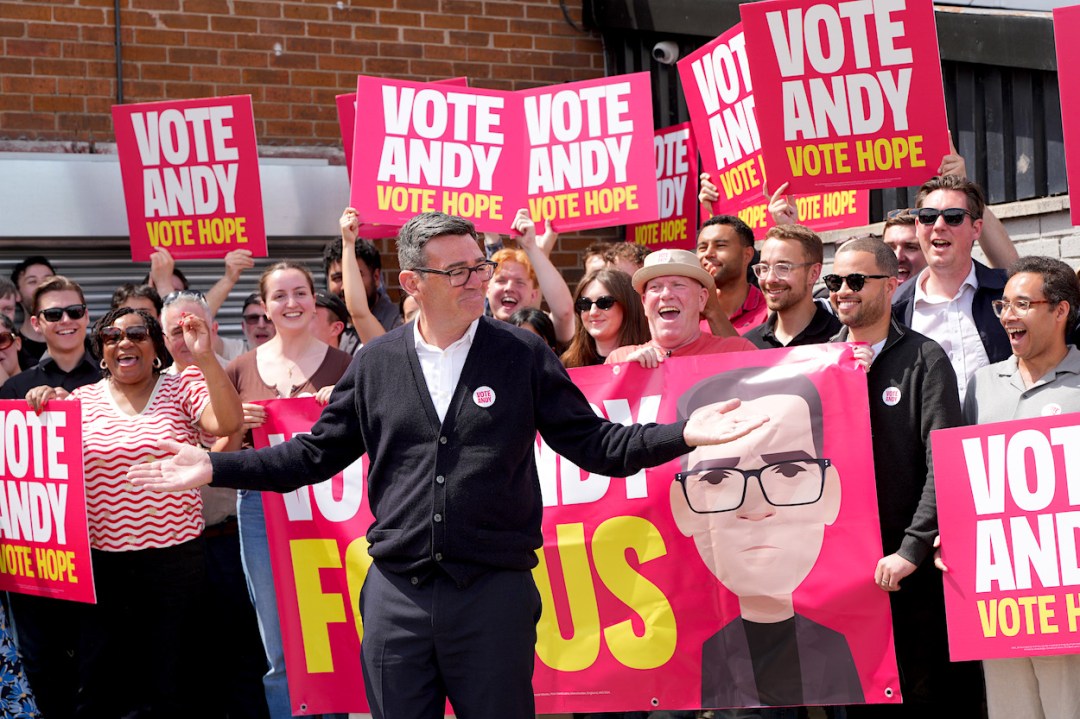
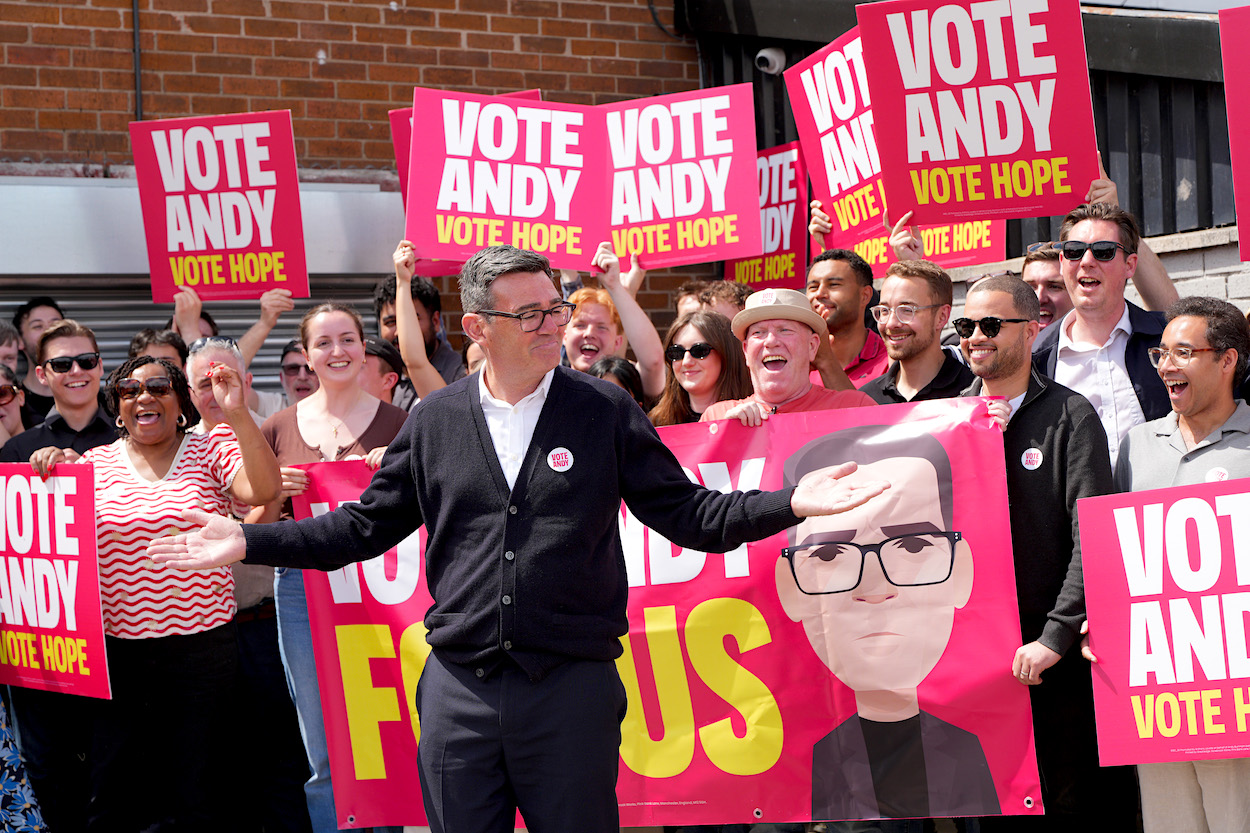
‘There was a cameraman in the bloody pie shop’, my auntie tells me as she complains about the press coverage Makerfield has recently received. All the attention – ‘horrendous’, she says – might be pretty common for a British by-election, but in journalism it’s rare to have such a personal connection to an election like this. Ashton-in-Makerfield is where my mother grew up, and her family still lives across the area. My grandmother still lives in the ex council house she has lived in for nearly seven decades, off the Wigan Road. Naturally, I have turned to my relatives to ask about the election, particularly my aunt, a retired careworker.

Makerfield is being talked about as the most historic by-election in modern British history, given the constituents could be electing the next prime minister. But the idea that Andy Burnham is making a brazen bid for No. 10 doesn’t seem to bother my family – he remains popular – but they do bemoan the election itself. It has had a ‘detrimental effect’ on the area, my aunt tells me. ‘The immigration issue has been brought to Makerfield’. Some ethnic minorities have complained about feeling unsafe since the campaign began. ‘The borough is going backwards’, my aunt sighs.
As we approach the tenth anniversary of the Brexit vote, the stubborn salience of immigration tells a story of a nation stuck. It also explains in part how Reform have managed to challenge Labour in what has historically been a safe seat for the party. Successive electorates have voted for change, successive governments haven’t been able to deliver, and net migration figures have been one of the clearest signs of that failure – until recently. When I ask my relatives, they talk about the need to help local people first, but say that voters are being used: ‘Restore Britain is targeting people over the boats issue – but it won’t help local people. We haven’t got any boats in Wigan’. Restore is mentioned unprompted.
Despite Reform leading early polls, the numbers have tightened lately, and Farage’s party has become less bullish about its chances. On an episode of The Spectator’s Coffee House Shots podcast this week, Reform-friendly strategist Gawain Towler denied that they had been ‘expected’ to win. Yet this runs contrary to some of Reform’s own spin early into the campaign. Makerfield is estimated to be the party’s 29th target seat. Farage would need it onside to win a general election.
My relatives say British elections have lately felt like a choice between who is least disliked. Starmer is really unpopular (‘useless’) and Nigel Farage is a bit less unpopular – (‘untrustworthy’). This chimes with leader approval ratings. The most recent numbers from Ipsos, from earlier this month, have Starmer on net popularity of -38 and Nigel Farage on -30. Burnham is on -7. It feels like, despite early analysis and Reform’s challenge, this is one of the best constituencies Burnham could be running in.
Reform’s chances were talked up early partly because some in Westminster misunderstood the geography of the area. When the Greater Manchester Mayor first announced his candidacy, attack ads were quick to try to disparage him as ‘not a local lad’, despite Burnham having previously been the MP for the neighbouring constituency, where he still lives. Burnham’s home in Golborne is only a few miles down the road from Ashton, the nearest and biggest town in the Makerfield constituency. Of the ten Greater Manchester mayoral boroughs, the wider Wigan region voted for Burnham in some of the highest percentages across all three of his mayoral races (74 per cent in 2017; 70 per cent in 2021; 66 per cent in 2024).
‘Having the prime minister as your MP brings its benefits’
When I ask about the problems with Burnham, two issues are mentioned: his handling of the Rochdale grooming gang inquiry – he was accused of failing to show leadership over the scandal – and the axed Manchester clear air zone, which opponents argue wasted £100 million. Both are described as ‘debacles’, but not enough to make people change their vote. ‘Maybe Burnham is going to leave Makerfield behind,’ my aunt tells me, ‘but having the prime minister as your MP brings its own benefits.’
Makerfield is historic not just because it could potentially change the prime minister. It’s historic because, if Burnham does win, the Makerfield by-election could prove to be a blueprint for the next general election – Labour versus Farage. Farage is popular but so well known that he is divisive. This is something that Burnham would seek to exploit in a snap general election. While political apathy and scepticism are visceral here, my aunt says everyone she knows is going to vote. I ask why she feels Reform has been doing so well. ‘Labour has been trying to fix 14 years of Conservative policies. People have forgotten.’ In Makerfield, many loyal Labour voters haven’t seemed ready to jump ship yet. I ask whether politics will be different with Burnham. ‘I’d like to think so… We’ll see…’






Comments