Northern Ballet commits itself almost exclusively to dance as a storytelling medium, and its weakness historically has been to home in on surefire box-office titles such as A Streetcar named Desire, The Great Gatsby and Nineteen Eighty-Four, which lose more than they gain by being deprived of their words. But adapting the source of the popular BBC television series Gentleman Jack proves inspired: the result must rank as one of the best things the company has ever done.
Anne Lister was a real figure, a moneyed gentlewoman in early 19th-century Yorkshire whose masculine demeanour, dress and behaviour gave rise to the moniker Gentleman Jack. Her recently decoded diaries reveal a same-sex proclivity that has sent the LGBTQ brigade into a flat spin of excitement and provide the thread out of which Annabelle Lopez Ochoa has woven an elegantly entertaining ballet, fluently paced and shot through with witty touches.
Gentleman Jack must rank as one of the best things Northern Ballet has ever done
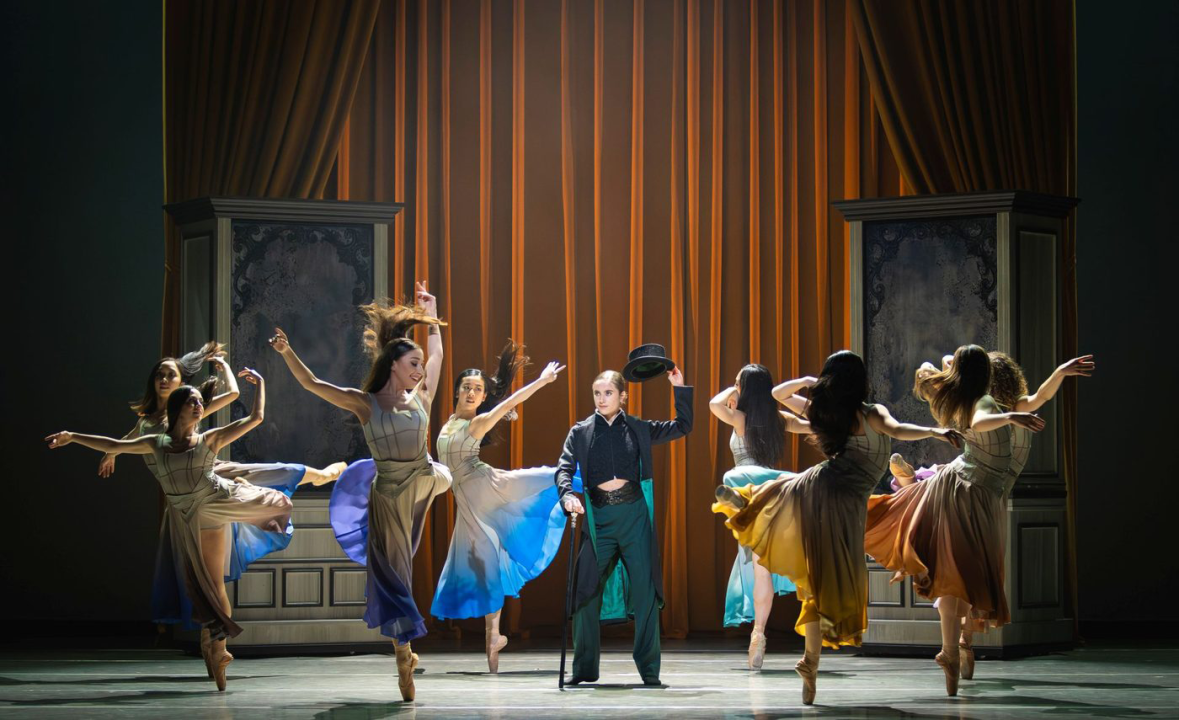
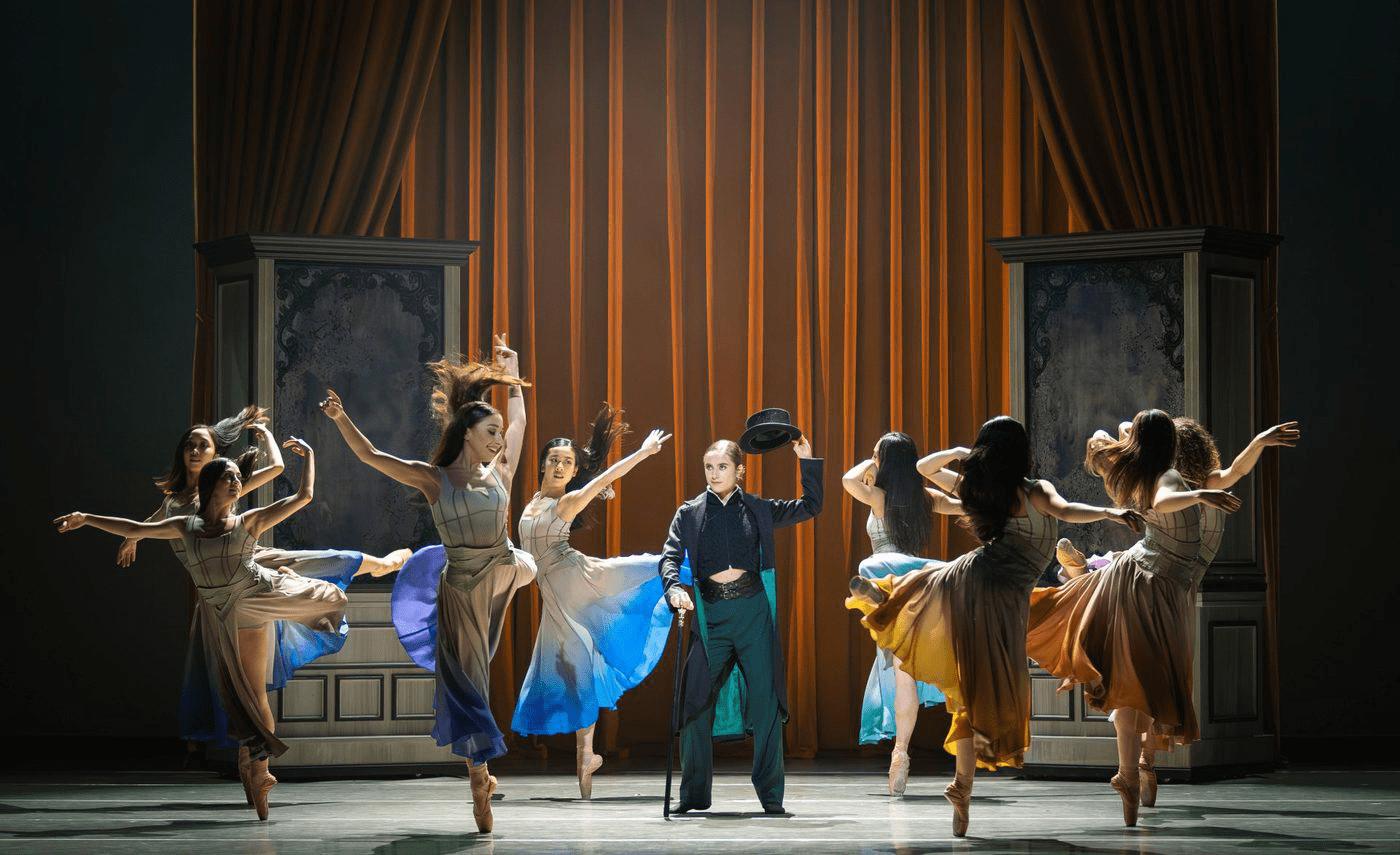
Anne is presented as a businesswoman of fiercely independent spirit in top hat, black trousers and tails who outsmarts cravenly conventional men locked into hollow marriages by seducing their wives. The plot that is built on this premise is thin but easy enough to follow, and even if the implicit sexual politics are a bit simplistic, Lopez Ochoa exploits them to some strongly defined choreographic statements with a genuine erotic charge. I hadn’t realised how rarely one sees two women dancing in close bodily contact.
In the title role, Gemma Coutts, wearing top hat and tails, wielding a stick and moving with vulpine assurance, gives the character a vicious predatory edge that stops the tale from sinking into true-love gloop – even if a climax in which Anne Lister and her amour ‘affirm their love in a symbolic wedding’ seems tacked on and inauthentic.
A newly commissioned score by Peter Salem is efficient and inoffensive, but it is the resourcefully imaginative staging designed by Christopher Ash and Louise Flanagan that lifts the quality of the production. Using only the minimum – some revolving bookcases, a dining table, a chandelier, a treadmill, monochrome costumes – it suggests the maximum, from a gloomy Halifax manse to a glittering Parisian ballroom. Plaudits also to Northern Ballet’s inexhaustible ensemble, whose members transform themselves from striking miners and waltzing Parisiennes to incarnations of the passions and plaints in Anne Lister’s copious diaries.
Twenty-five years ago, William Trevitt and Michael Nunn took a plunge that many thought foolhardy when they upped sticks and abandoned promising careers at the Royal Ballet to form an all-male dance company, the BalletBoyz. It turned out, however, that they were ahead of the game: alongside Matthew Bourne’s Swan Lake and Billy Elliot, they were poised to draw on a wealth of untapped potential that has continued to yield fresh energies, as well as attracting new audiences nationwide.
A programme celebrating BalletBoyz’s quarter-century included a touching prologue in which Trevitt and Nunn, long retired from the stage, rolled back the years in Critical Mass, a viscerally powerful duet by Russell Maliphant. A fine bunch of ten much younger dancers followed in a selection of past repertory. For me, the highlights, ironically perhaps, were two works by female choreographers – Xie Xin’s gently lyrical Ripple and Maxine Doyle’s abrasive satire of tribal boxing-ring masculinity Bradley 4:18. Elsewhere I’d have appreciated more tonal variety – it was all too relentlessly dark and earnest. Lighten up, lads.
Trevitt and Nunn are mad about cameras, and filmed interludes with commentary have long played a part in BalletBoyz’s shows: they featured wittily here too. Trevitt and Nunn have both been awarded paltry OBEs; for dedication and integrity, they deserve promotion to knighthoods.





Comments