When Labour blocked Andy Burnham from standing as its candidate last time around, Douglas Alexander, the Scottish Secretary, rejoiced at avoiding ‘three months of psychodrama – who’s up, who’s down, who’s getting on with who…’
But as Gareth Roberts remarked in The Spectator’s Coffee House, ‘I’m not quite sure what the difference is between psychodrama and good old-fashioned plain original-flavour drama.’ Indeed, Mr Alexander’s characterisation of psychodrama sounds like the essential lineaments of pure politics: ‘Who loses and who wins; who’s in, who’s out,’ as King Lear puts it.
King Lear itself might be a classic psychodrama, if madness is the defining feature. But the people who have made psychodrama so annoyingly overused in the past few weeks hardly agree on its meaning.
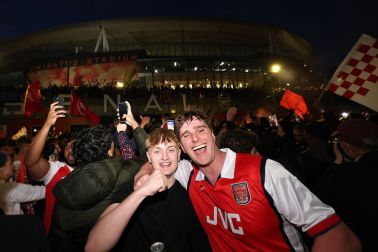
Arsenal started the current psychodrama binge. They were in a commanding position but started losing, putting their followers on tenterhooks. That was the psycho- bit. Then it was the turn of Sir Keir Starmer and Lord Mandelson in a two-handed psychodrama, with support from Sir Olly Robbins.
This provoked an MP called Jonathan Brash to declare: ‘I am completely fed up to the back teeth of this psychodrama in Westminster.’ Steve Reed, the Housing Secretary, went as far as to claim that most MPs and councillors were ‘sick and tired of all this psychodrama’ about Sir Keir’s future.
The origins of psychodrama lie in psychotherapeutic exercises between the wars. But, from the second half of the 20th century, this meaning became elided with that of drama in which psychological elements are the main interest. In parallel, the phrase making a drama of something was harnessed in 1979 for an advertisement for the insurance company Commercial Union: ‘We won’t make a drama out of a crisis.’ Yet recent political events have been so remarkable that they haven’t needed anyone to ham them up.

Comments