Easter is being celebrated by millions of families across our country. It’s one of those moments when we should come together, pause and remember what really matters. As a mother with a very busy job, I value this time with my children more and more each year. It is a time for faith, family and fun.
Britain is a Christian country. Our values, our customs and many of our greatest institutions were shaped by Christianity. That is why, for so many people, going to church at Easter still matters. I teach my children that it is not just a ritual. It is part of who we are. That is why this is a good time to talk about churches.
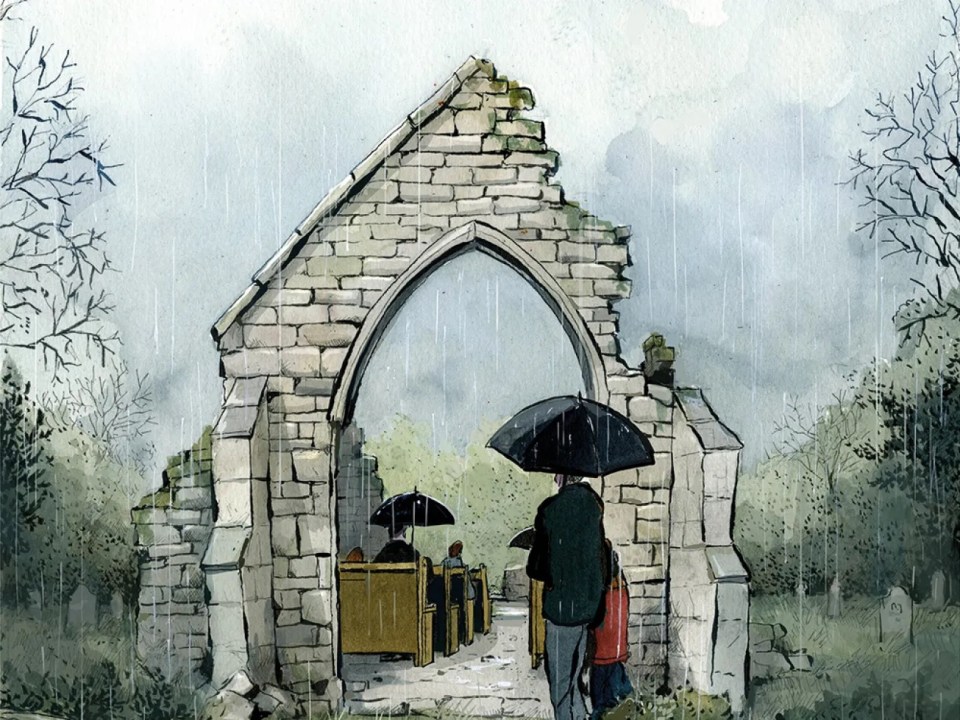
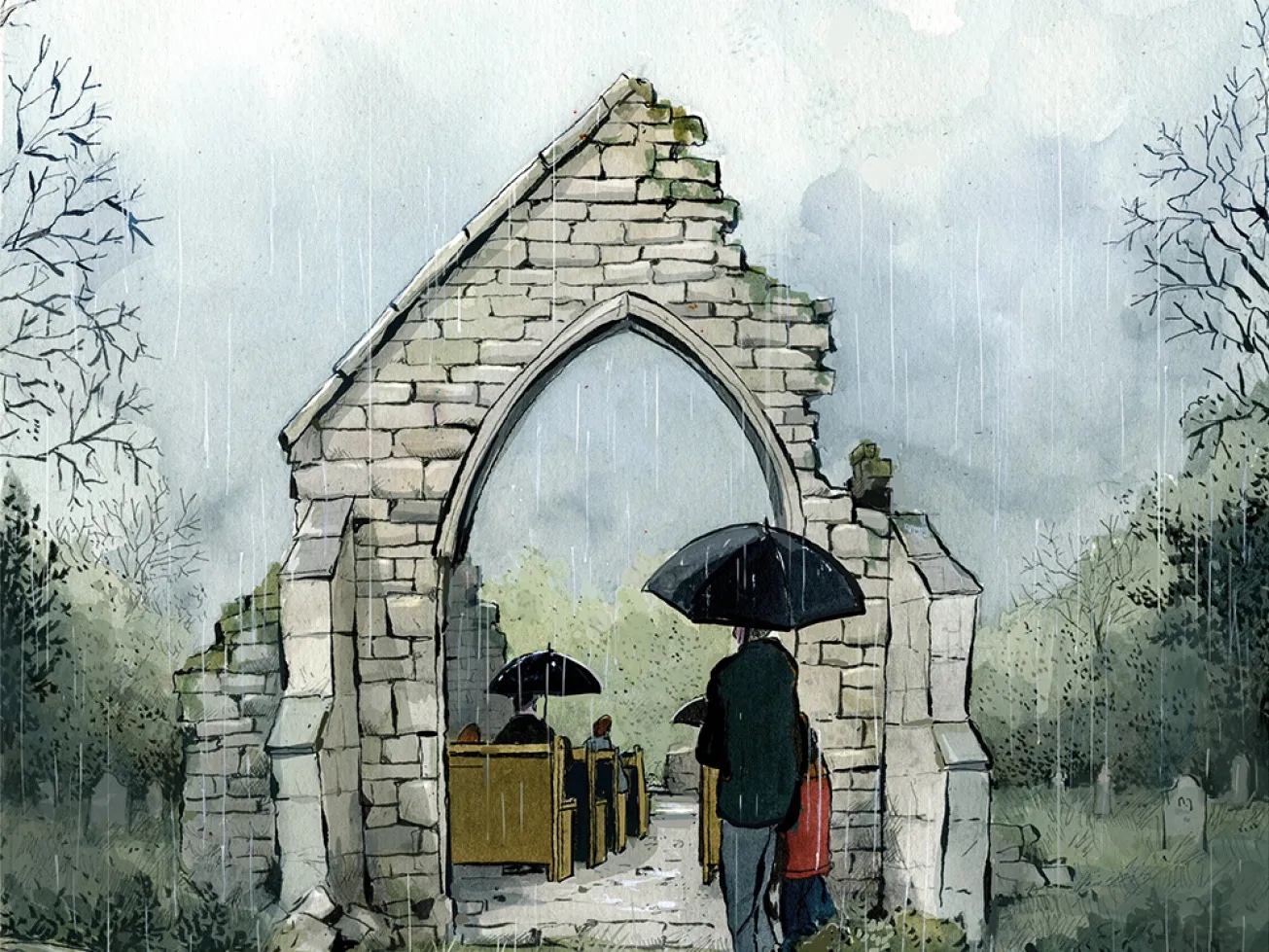
Churches matter. They are not just places of worship. In many towns and villages, they are the heart of the community, a source of local pride and part of a history stretching back hundreds of years. People turn to church at life’s most joyful moments, christenings and weddings, and at its hardest, funerals, grief and loss. For many, it is also somewhere to go every Sunday. So many family memories are made there.
But they are under threat. According to Historic England, nearly 1,000 places of worship are at risk. These churches have stood at the heart of communities for generations, and every one lost is a loss to us all.
With every church closure, we lose part of the story of a place where generations have marked their most important moments
A village hall can host a coffee morning. A community centre can run a toddler group. If the argument is only about a space to host events, then the church becomes just another public building. What makes a church different is continuity, memory, belonging and permanence. It is where private life meets national life. With every church closure, we lose more than a building. We lose part of the story of a place where generations have marked their most important moments. We need to remember churches are more than a place to host a food bank. They are a visible reminder that we belong to one another, and that our communities are rooted in something older and stronger than the present moment, as Marcus Walker has argued.
Many people are worried that their communities are changing beyond recognition. Not just churches, but shops and pubs closing as well. With every closure, something precious is lost. The places that bring people together, across age, class and background, are disappearing, and so they feel the ties that bind us weakening. So what can we do about this?
Politics is about making tough choices. The government has chosen to prioritise welfare spending above all else. We now pay more in total welfare and pensions than we earn in income tax. This situation may be borne out of compassion, but the welfare bill is spiralling out of control and having an impact on everything else, including funding for churches.
That is why under my leadership, the Conservative party has put saving these institutions at the heart of our plans. We have a plan to take back our streets and to protect what is dear in our community. We will abolish business rates for high street shops, and we will reduce energy costs for the shops, pubs and restaurants in your community, as well as your family home.
Protecting churches is an important part of our plan. When we left government, we committed £42 million a year to the listed places of worship grant scheme. These grants help churches stay open and communities stay together by funding essential repairs that, put simply, local communities cannot afford.
Labour cut it to £23 million, then capped grants and delayed decisions. Months later, there is still no clarity. The result is predictable, with repairs delayed, projects cancelled and many churches pushed closer to closure.
When so many people feel life is getting tougher, Labour is choosing to close the very institutions that keep our communities together, with taxes on pubs, on shops and reduced spending on churches.
We would make different choices. We would control state spending, such as welfare, so we can protect what makes our communities special.
Conservatives will restore full funding to the listed places of worship grant scheme back to £42 million. This won’t repair all churches, but it is a start. I believe it is important that politics should start with principles and values before it gets to policy.
Conservatives believe Britain is a Christian country. Churches embody the values that built our country, and so we will do what we can to protect them.




Comments