
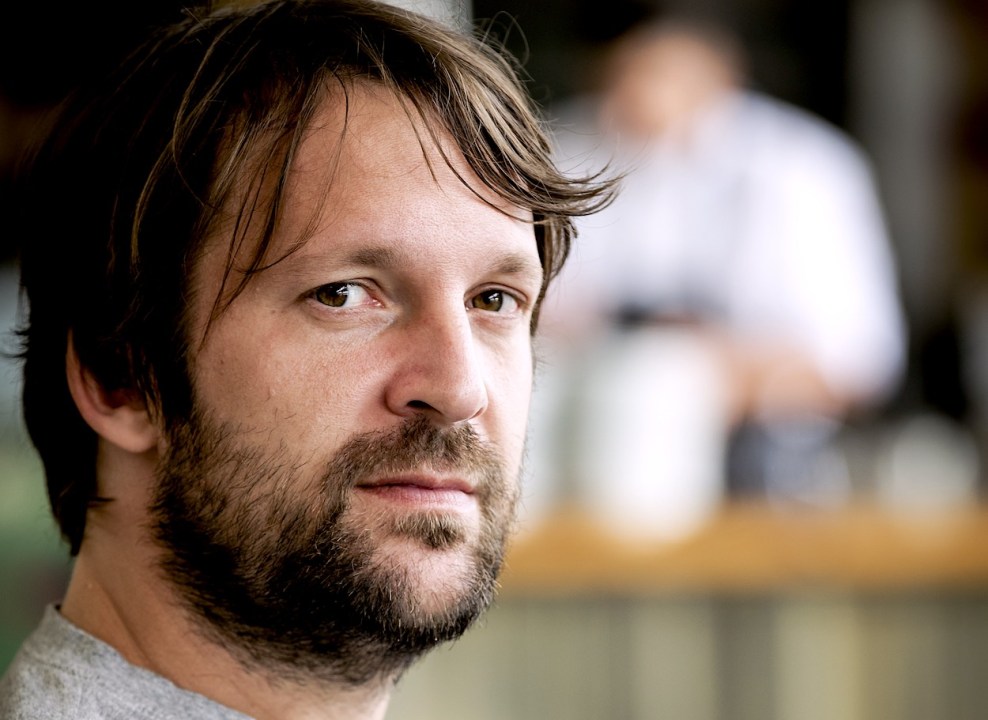
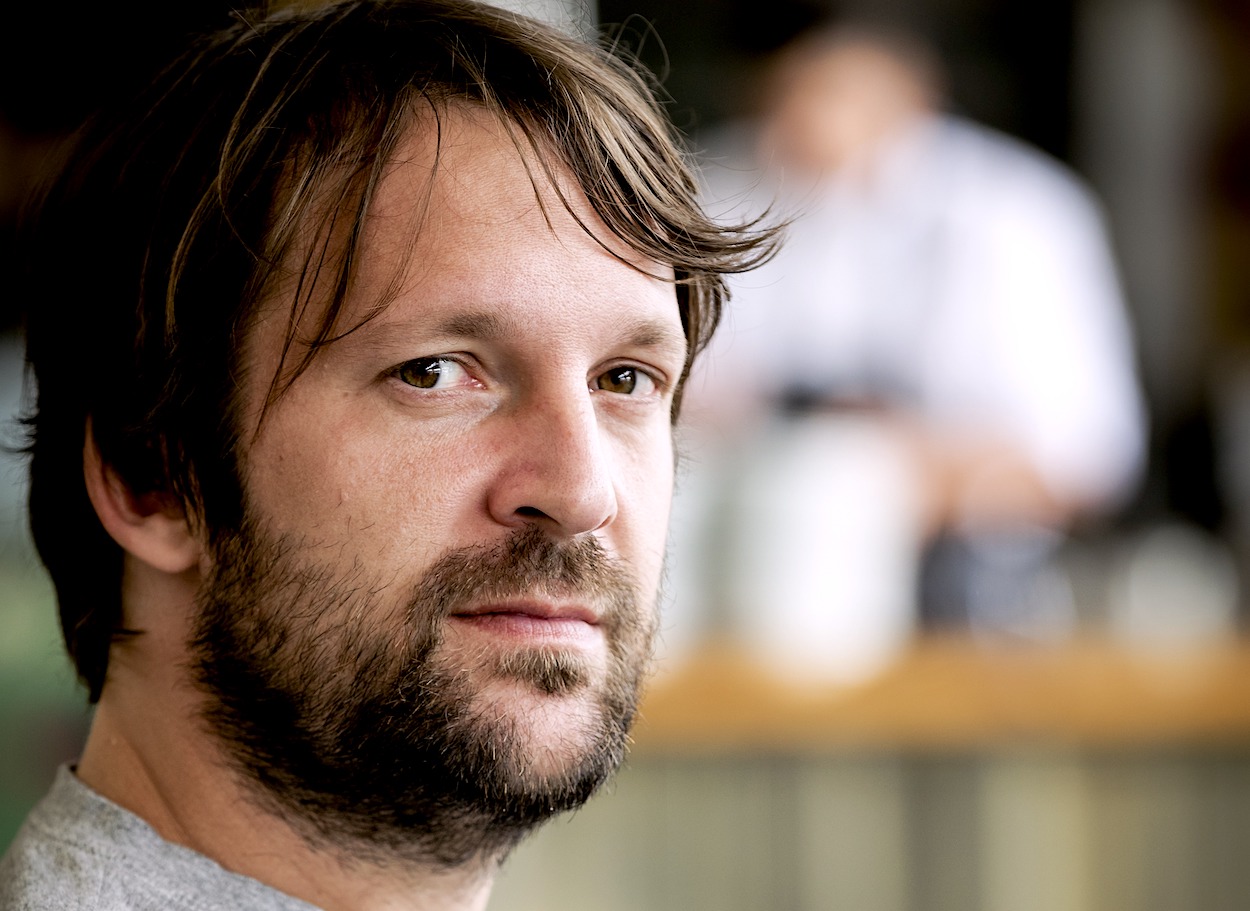
This week, Rene Redzepi – often credited as having created the world’s greatest restaurant – stepped down amid explosive allegations of abuse. In my view, if the allegations of physical brutality are true, he should face criminal charges.
Redzepi, founder and proprietor of Noma in Copenhagen, founded in 2003, wrote on Instagram about the recent revelations regarding his own past leadership: ‘I have worked to be a better leader and Noma has taken big steps to transform the culture over many years. I recognise these changes do not repair the past. An apology is not enough; I take responsibility for my own actions.’
Not so long ago, such behaviour would have been routine, expected and even glorified in a high-end kitchen. But perhaps, now that more restaurant staff are blowing the whistle, those days are coming to an end.
In 2011, Redzepi allegedly screamed at a chef for having left a slight mark on a delicate flower he was lifting with tweezers onto a plate. In a piece in the New York Times, several former staff members at Noma alleged that the chef orchestrated public shaming, physical assaults, and psychological and verbal abuse. The 2008 documentary Noma at Boiling Point was made shortly after a spate of similar fly-on-the-wall programmes based in British restaurants. Gordon Ramsay’s Kitchen Nightmares and Hell’s Kitchen also depicted a man who thought little of demeaning his staff, and going berserk at mistakes.
In 2006, Raymond Blanc, chef-patron of the now closed Le Manoir aux Quat’Saisons in Oxfordshire, commented that such TV shows were damaging to the industry because they promoted abuse. Ramsay responded by referring to Blanc as a ‘two-faced French twat’.
But the high-stress restaurant kitchen genre is more popular than ever, even if this culture is being challenged in real life. The film Boiling Point follows in the footsteps of The Bear. Dramatised storylines are based around the high stress, aggression and threat of violence endemic to working in a top-ranked kitchen. People I know in the industry tell me it is fairly true to life.
This macho kitchen culture has been a long time in the making; perhaps some blame can be laid at the feet of pioneering French chef Auguste Escoffier, ‘king of chefs’. Having served in the army, he arrived at the Savoy Hotel in 1890 and imposed a military hierarchy that became the soul of the kitchen.
In more recent times, there is no shortage of horror stories about chefs being attacked with kitchen tools. Legend has it that Michel Roux of Le Gavroche used to walk past his cooks armed with a blow torch, terrifying them all, and as a young chef, Raymond Blanc had his nose, cheek and jaw broken when a colleague hit him with a saucepan.
In the late 1980s, Marco Pierre White became the first ‘rock star’ chef, famous for his temper. He once strung a chef up by his bib before dumping him in the bin. The problem is that these macho men, ever ready to blow their tops, are seen as creative geniuses, so God-like that younger chefs will put up with almost anything for the chance to learn from them. Often expected to work 18-hour days, six days a week, in exchange for torrents of abuse, they face violence, brutality and abject humiliation – one chef spoke of having been made to work with a mixing bowl on his head as a punishment for having got something wrong.
It is surely time to dismantle the ‘artistic tyrant’ archetype
Elite kitchens also have a serious drug and alcohol culture in which aggression is as much a part of life as the long hours.
A survey published in 2022 found extreme violence and abuse to be commonplace in elite kitchens around the world. One respondent disclosed having had their hand covered in egg and breadcrumbs and then told to hold their hand in the fryer; another slashed a thumb really badly and could not stop the bleeding. The chef held it on the stove top to cauterise it.
For some chefs, the fallout of being bullied day-in, day-out has been depression, suicide and leaving the trade altogether. Let’s hope the Redzepi scandal marks the end of brutality and sadism in the kitchen.
It is surely time to dismantle the ‘artistic tyrant’ archetype. The self-importance of these men needs a reality check – after all, they are cooking meals, not fighting wars.




Comments