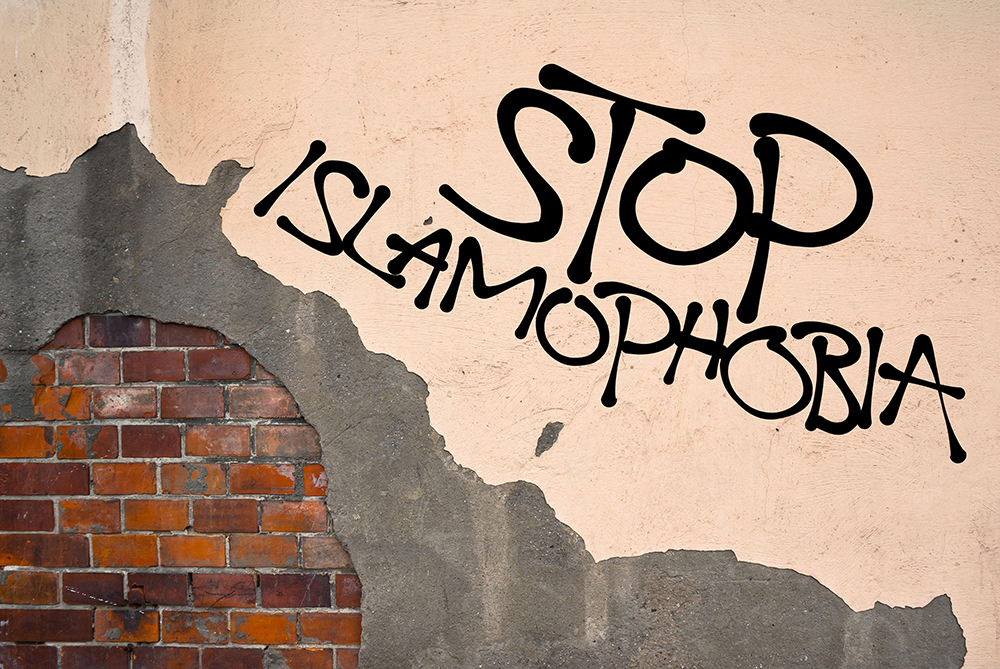


On Monday, the Communities Secretary Steve Reed rose in the House of Commons to unveil ‘Protecting What Matters’, the government’s new ‘action plan’ to ‘strengthen social cohesion’ and ‘tackle division’. According to the accompanying press release: ‘Millions of families, friends and neighbours will feel a stronger sense of community, unity and national pride thanks to renewed efforts to stamp out extremism, hate and division announced today.’
I was not among those millions. Conspicuous by omission in the announcement was any mention of Islamism. The impression given by the minister was that ‘those who try to divide us’ and ‘subvert our shared values’ are not the Muslim students mourning the death of Iran’s Supreme Leader or people like Mothin Ali, the deputy leader of the Green party, who tweeted on the day Hamas slaughtered 1,200 Jews: ‘White supremacist European settler colonialism must end!’ Instead, it is politicians like Nigel Farage and Katie Lam who draw attention to the small boats and the grooming gangs.
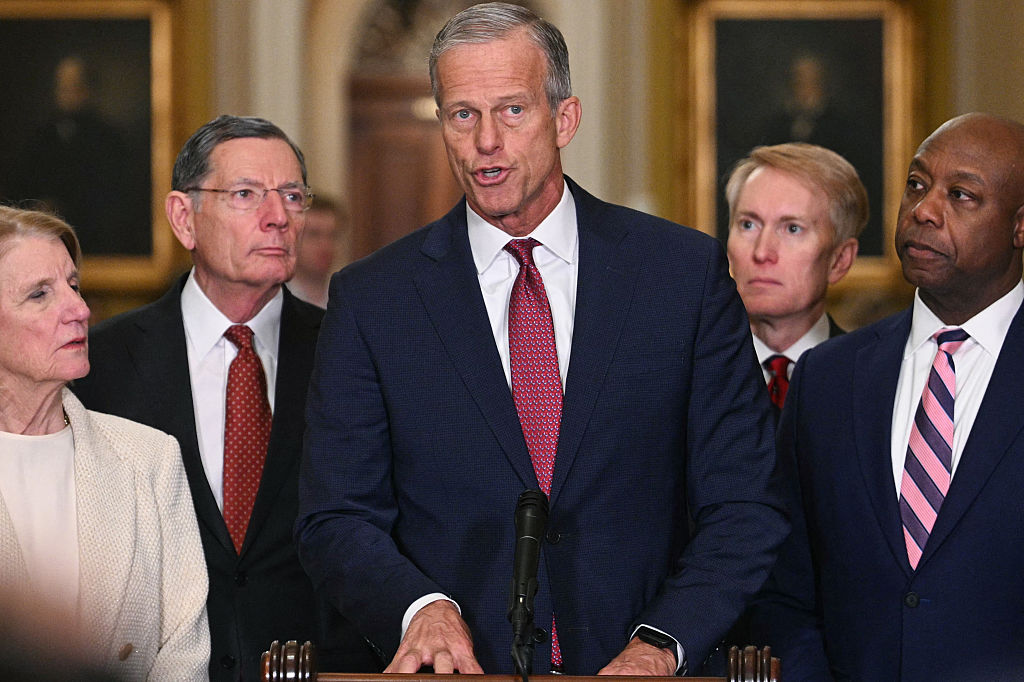
Just in case you’re in any doubt that Labour sees right-wing politicians as the ‘extremists’ and not those chanting ‘globalise the Intifada’ in our city centres every Saturday, Reed announced that the government will be adopting an official definition of ‘anti-Muslim hostility’ and appointing a ‘special representative’ to enforce it.
But not to worry. The new definition is ‘non-statutory’, so it won’t impinge on freedom of expression. Forgive me if I don’t find that very reassuring. The All Party Parliamentary Group on British Muslims produced a definition of ‘Islamophobia’ in 2018 that was non-statutory, but it still had a chilling effect on free speech. It was taken up by Labour-controlled local authorities in places like Oldham and Bradford and almost certainly inhibited people from drawing attention to the rape gangs operating in those areas for fear they would be branded ‘Islamo-phobes’. Indeed, Andrew Norfolk, the late Times journalist who fearlessly covered the scandal, was accused of ‘anti-Muslim reporting’ in 2019.
The false premise underpinning this ‘action plan’ is that stifling criticism of Muslims will promote social cohesion. Members of all faiths are already protected by the prohibition on stirring up religious hatred in the Public Order Act, as well as the anti-discrimination clauses in the Equality Act and the religious ‘aggravator’ in the statutory hate crime framework.
Providing members of just one faith with additional protections will hardly reduce community tensions. How does Reed think the official adoption of an ‘anti-Muslim hostility’ definition will go down with Hindus in Leicester or Sikhs in Wolverhampton? I imagine they’ll start clamouring for ‘special representatives’ of their own. Is that really how the government believes you promote a ‘shared sense of values, pride and belonging’, to quote from the press release? By arming different communities with ‘tsars’ and giving them extra-judicial powers to police their neighbours for the slightest signs of ‘hostility’? That’s the Kashmiri approach to social cohesion.
Labour sees right-wing politicians as the ‘extremists’ and not those chanting ‘globalise the Intifada’
When the Prevent programme was rolled out by New Labour in 2003, Tony Blair was less squeamish than his successors about naming radical Islam as the problem. But to avoid accusations of bias, the threat was identified as ‘extremism’ in general rather than Islamist extremism in particular. The upshot is that twice as many people are now referred to Prevent because they’re supposedly at risk of extreme right-wing radicalisation than Islamist radicalisation. Yet of those in custody for terrorism-connected offences, 63 per cent hold Islamist-extremist views and just 29 per cent extreme right-wing views.
This time, there’s less pretence of even-handedness. Yes, there was a glancing reference in Reed’s speech to rising anti-Semitic hate crime and some talk of stopping ‘hate preachers’ entering the country. But the section on ‘anti-Muslim hostility’ was the centrepiece. In the long-form version, there’s even a section on expanding Ofcom’s ‘crisis powers’ in the Online Safety Act to restrict ‘viral, harmful content’ on social media. Instead, ‘trustworthy media’ will be given more ‘prominence’. In other words, regime mouthpieces will be boosted and dissident voices suppressed.
This new counter-extremism strategy might as well have been written by Hope Not Hate. For ‘social cohesion’ read ‘social control’. We need to resist it with everything we’ve got or Britain will soon become the North Korea of the North Sea.


Comments