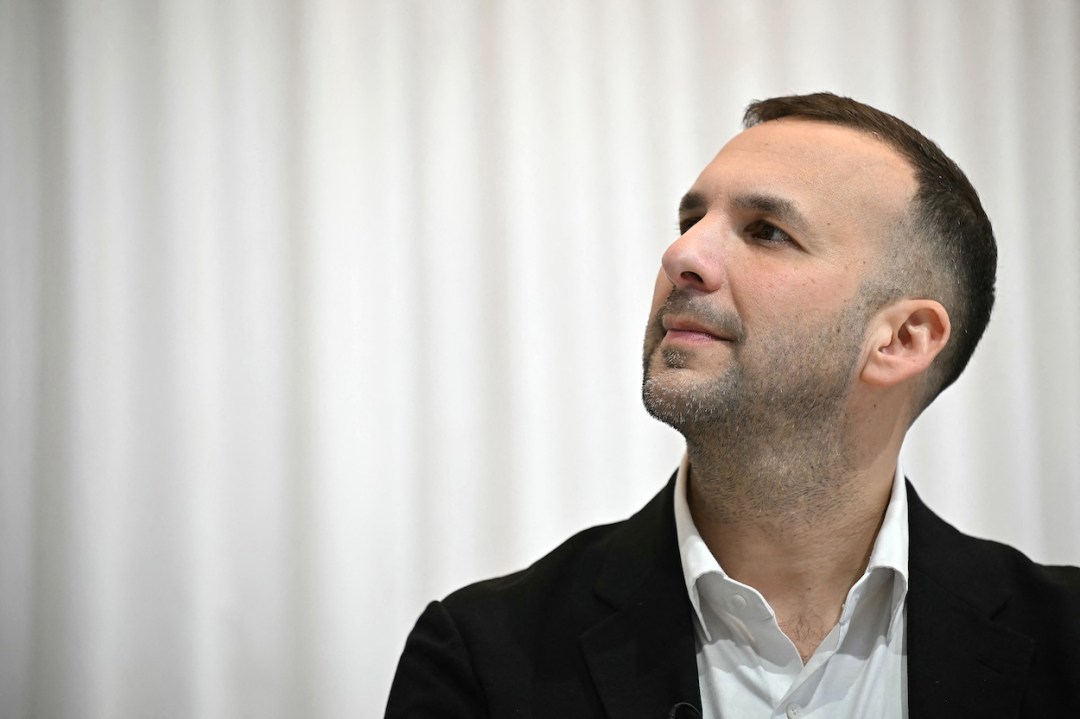
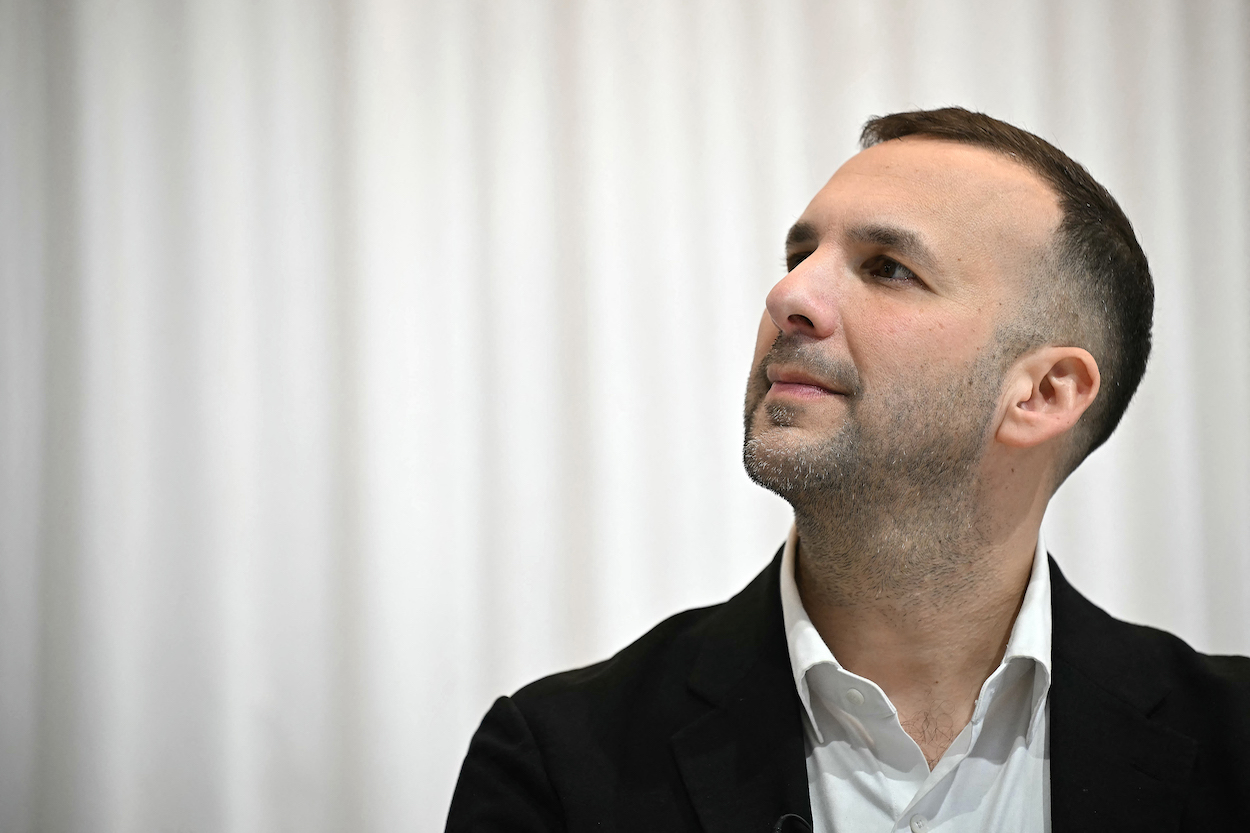
British politics looks very different today. Opinion polls suggested for some months that the Greens could challenge and defeat Labour in its traditional seats – Hannah Spencer has now gone and done it. With Reform’s Matt Goodwin pushing Labour into third, Keir Starmer is now being pulled apart from all sides.
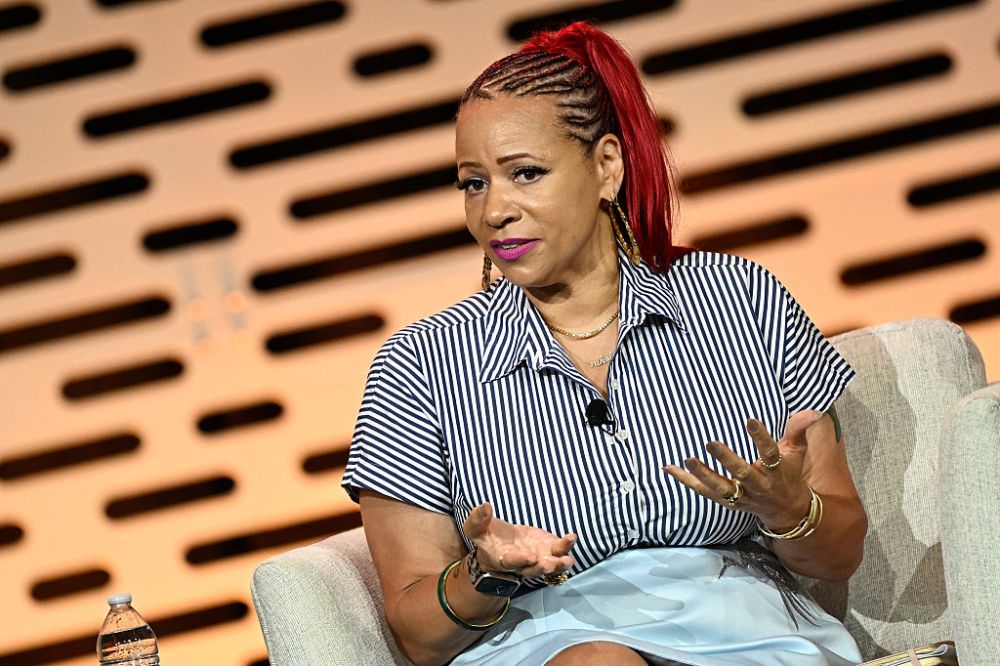
The issue of Gaza was central to Spencer’s campaign, rooted in the Gorton half of the constituency with a high number of Muslim voters. The appearance of Palestinian and Pakistani flags on election night and an Urdu video promoting the Greens, complete with images of Labour leaders with ‘baddies’ such as Modi and Netanyahu, made uncomfortable viewing for many.
Starmer – or his successor – will be under immense pressure to ‘reset’ relations with Muslim voters. This is being echoed in the commentariat, with Patrick Wintour of the Guardian stating: ‘Gaza is still a large part of what is driving the alienation from Labour. Little sign in the Foreign Office or No.10 of any recognition of this.’
This is incorrect. Labour has spent the past 18 months attempting to reset relations with Muslim voters, to absolutely no effect whatsoever. Having lost four seats to pro-Gaza independents in July 2024, Labour quickly began a strategy of wooing elements within British Islam. Central to this was the appointment of Lord Khan of Burnley as Minister for Faith, Angela Rayner’s creation of a working group on a definition of Islamophobia/anti-Muslim hatred and a series of ministerial initiatives designed to show the party as Muslim friendly.
Having long struggled to find Muslim representative bodies compatible with its values, Labour supported the establishment of not one such organisation but two – the British Muslim Network (BMN) in February 2025 and the security-focused British Muslim Trust (BMT) in February 2026. At the launch of the BMN, Wes Streeting delivered an apologia, declaring Labour has ‘let Muslim communities down’. Streeting himself beat off a pro-Gaza candidate by just 528 voters at the last general election.
There is some mystery as to the origins of the BMN. While only emerging in public view in 2025, Lord Khan’s list of departmental meetings following the ugly riots in August 2024 records a meeting with the British Muslim Network on 8 August, suggesting a group with no discernible track record in the Muslim community was able to meet with ministers.
In this reset, the Prime Minister played his part, attending the APPG British Muslims Iftar where he was photographed meeting Palestinian ambassador Husam Zomlot and posting to his X account of meetings with ‘British Muslim leaders’ at No. 10 to discuss his ‘Plan for Change’. Most dramatically of all, on 21 September 2025 the UK formally recognised the state of Palestine, without preconditions. Just last week FCDO Minister Hamish Falconer marked the first day of Ramadan with a video at the Palestinian embassy in London, where he hugged Ambassador Zomlot. The Government equating a religious festival – Ramadan – with a nationalist issue such as the Palestinian cause shows how confused its thinking has become.
In Gorton and Denton, Labour pulled out its big guns in the Muslim community. Afzal Khan, the MP for neighbouring Manchester Rusholme, and Burnley’s Lord Khan joined deputy leader Lucy Powell at a large event with prominent local businessmen in the Muslim community. The message was very much meant to be that Manchester is a Labour city and now was not the time to abandon the party.
Rarely has anyone timed their run as well as Zack Polanski
Yet that is precisely what Muslim voters are doing, despite 18 months of concerted outreach. Equally, Labour’s concessions may risk alienating non-Muslim working-class voters, driving them away from the party and towards Reform.
In politics, timing is everything. Rarely has anyone timed their run as well as Zack Polanski, whose brand of cheerful left populism and skilful use of social media has not only begun to eat Labour’s lunch, but left political rivals on his flank – such as Jeremy Corbyn and Zarah Sultana’s Your Party – well behind.
A window of opportunity now opens for the Greens. Its base in certain university towns, among left leaning professionals and downwardly mobile graduates, remains. But in moving through the gears while Corbyn and Sultana bickered, the Greens have attracted both disillusioned Labour voters and people from the wider left, such as the impressive former mayor of North of Tyne Combined Authority, Jamie Driscoll. Polanski, who was said to be eyeing up a parliamentary seat in the Labour dominated boroughs of Hackney and Waltham Forest, will now entertain much wider ambitions.
If the Greens – the party of trans rights and drugs legalisation – can continue their unlikely love affair with an activist, identity-driven segment of British Islam, they can do a lot more than win in Gorton. Long-standing Labour councils in London, with demographics combining white professionals and sizeable Muslim communities, now look exceedingly vulnerable this May.





Comments