The Rest Is History has a new spin-off podcast called The Book Club. If you listen to the former, you’ll know Dominic Sandbrook but perhaps not his producer Tabby Syrett, who has joined him as co-host for the new venture. Tom Holland had presumably nipped off early to feed the cats.
The release follows, slightly unfortunately, on the heels of a Sunday Times article in which the current crisis in sales of non-fiction is attributed in part to the boom in factual podcasts. If people are no longer buying history books because they’re ‘getting their history’ from Spotify for free, then ought we to be wary of a podcast about novels, lest we stop buying those as well?
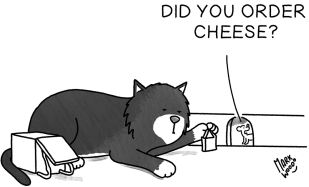
Members of book clubs are notorious for never actually reading the book
Publishers have been warning authors about the podcast problem for years. Podcasts are denting our sales, they tell us, and on the weight of anecdotal evidence we agree, while scratching our heads over what else could be driving the decline. An email then arrives from the publisher’s publicity department with an invitation to appear on X’s podcast to plug our latest book. One suddenly knows how Octavian Augustus felt when he went to the rescue of his great-uncle Julius Caesar’s killer.
Which is to say that there is a discernible friction between the page and the airwaves. Is The Book Club friend or foe? Anyone looking at the title alone would be inclined to say the latter; members of book clubs, after all, are notorious for never actually reading the book. But it is to the credit of Sandbrook and Syrett that I say that the books are superior to their wine, and their conversation no replacement for reading. It is a bonus that the chosen titles have been in print for many years; the stakes for dented sales are low.

There is an enjoyable dad-and-daughter dynamic to their show. We hear a lot about the young giving up books, but it’s Sandbrook who professes to be jaded, while twentysomething Syrett, the more vocal of the pair, presses paperbacks into our hands. We can look forward to Sandbrook’s views on Sally Rooney’s Normal People in the coming weeks, but book du jour, Wuthering Heights, received the preview.
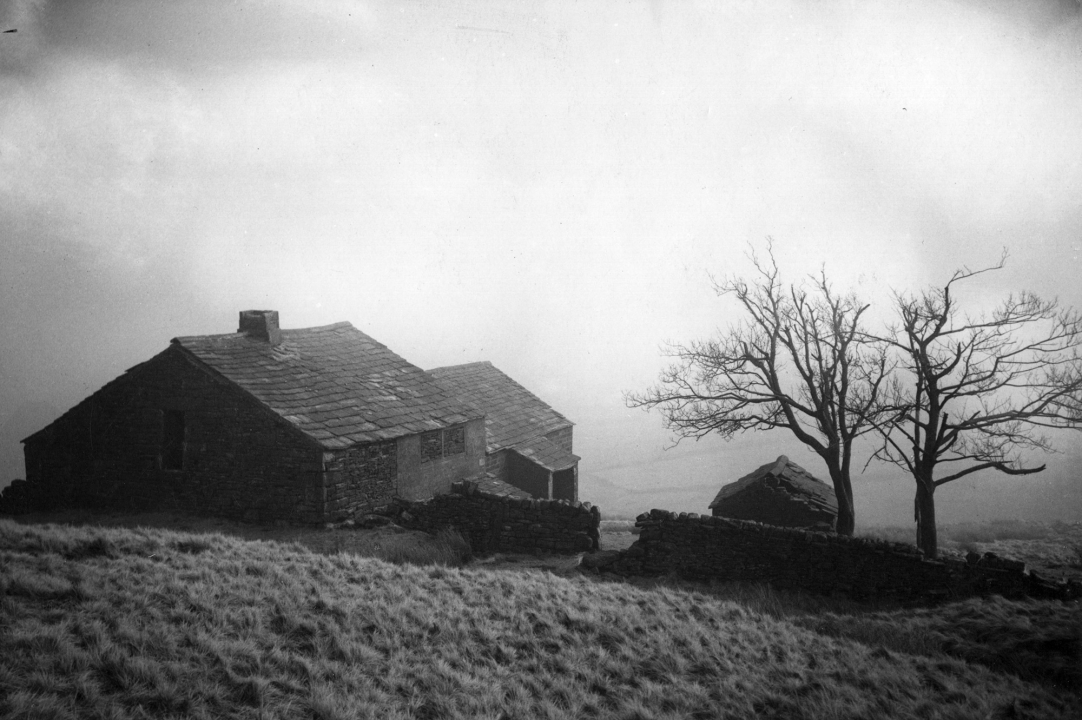
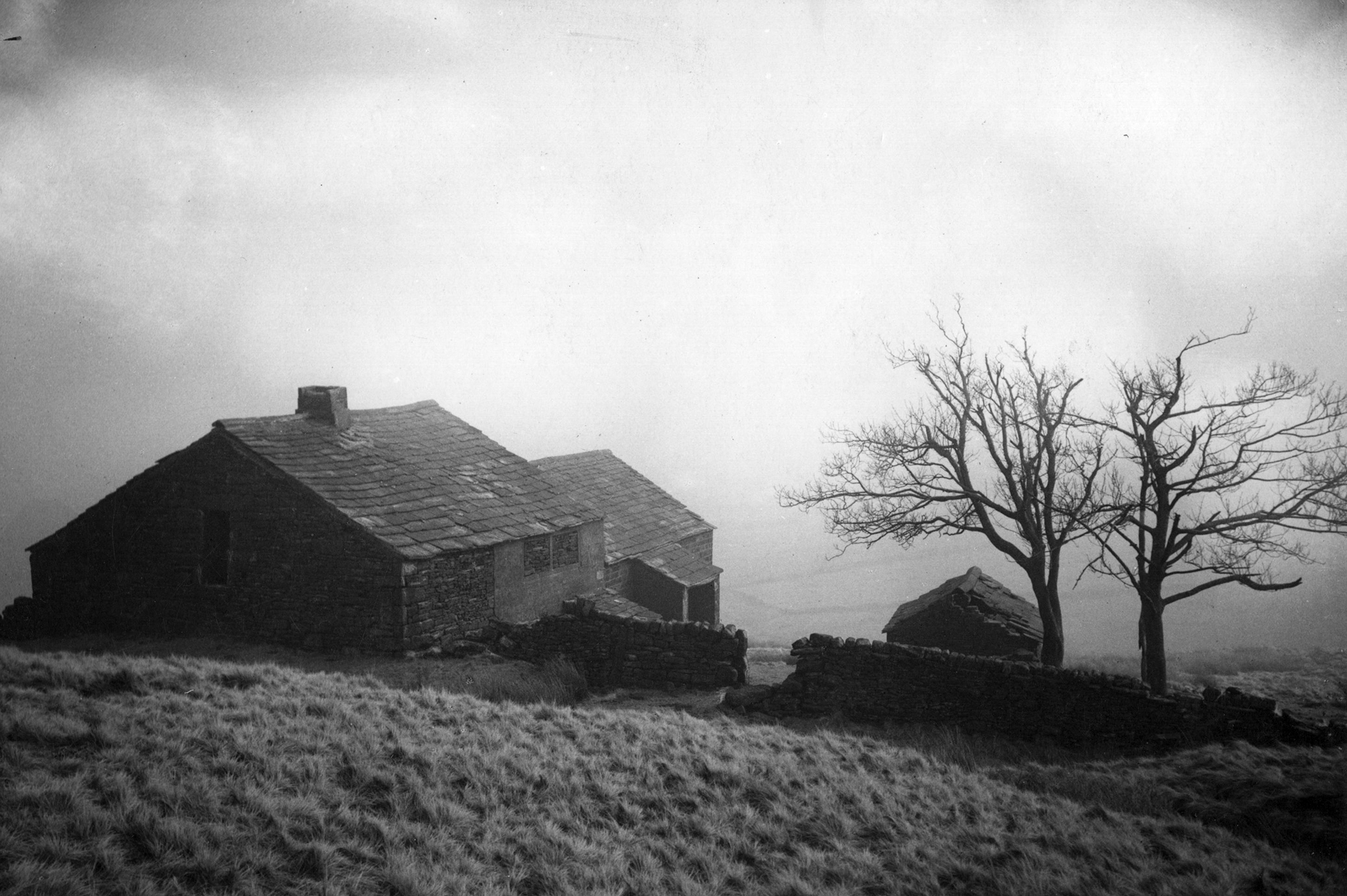
Neither presenter had seen Emerald Fennell’s film at the time of recording (the episodes are also available as video-podcasts), so their discussion was refreshingly book-based and BDSM-free. Not that they shied away from the violence of the story or the difficulties of the author’s upbringing. Emily Brontë, characterised by Elizabeth Gaskell as deeply strange, lived a broadly reclusive life following the early loss of her mother and two of her sisters. The host’s biographical approach – and discussion of Charlotte Brontë’s amendments to Wuthering Heights following Emily’s death – certainly encouraged me to revisit the text.
The LRB Podcast exists to direct readers not only to books, but also to reviews of books, namely those published in the pages of the London Review of Books. One might say that it is a review of the reviews in a review. Last week’s episode, the enticingly entitled ‘Jessica Mitford’s Handbag’, featured Rosemary Hill in conversation with LRB editor Thomas Jones on the topic of her review of Troublemaker: The Fierce, Unruly Life of Jessica Mitford by Carla Kaplan. I listened as a devoted consumer of what Jessica called ‘the Mitford Industry’.
One may well ask whether this podcast was produced for the benefit of those too lazy to read a 5,000-word review essay in full. If yes, what hope is there for authors such as Kaplan; if no, what value does the podcast add? A crisis in sales of non-fiction demands a difficult question. Such a podcast should invite the reviewer to discuss topics raised in their review but curtailed by the discipline of writing; to go off-piste, to revel in digression; to make the most of the first person. Part of the appeal for the listener must lie in the possibility of discerning what a reviewer was afraid to put down in writing. The LRB Podcast does much of this very well.
The podcast, quieter than The Book Club but consistently thought-provoking, gave Hill the chance to speak at length on the phenomena of the Mitfords and to reinforce her praise of Kaplan’s angle. At the same time, it enabled her to clarify her reservations about the Mitfords’ behaviour being routinely accounted for in the book by their aristocracy rather than their Englishness. I found this an interesting point of distinction and returned to the review but not yet, I confess, to the bookshop.






Comments