Will Robinson

The big problem with the ‘Revoke Article 50’ petition

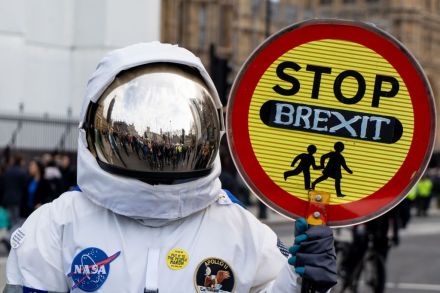
Writing a piece on why the ‘Revoke Article 50’ petition is a waste of time, for an audience consisting of the student body of the fourth most Remain city in the country (Oxford), is not the easiest task. So I’ll try to avoid making the arguments that the petition-signatories amongst you might be expecting me to make: I could frame my argument around the fact that some of the signatures appear to have come from all over the globe – including from North Korea – and that, therefore, this petition is broken and should have no bearing over our politics: this is why we register to vote and then do so at a local polling station. But I won’t.
Not our finest hour

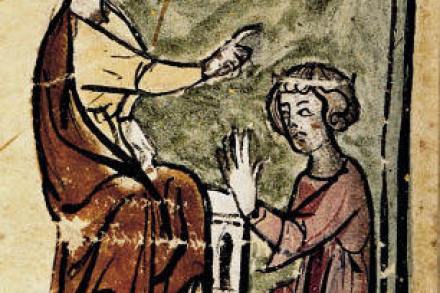
Ever since Edward II’s deposition and grisly murder in the dungeons of Berkeley Castle in 1327, his reign has always been regarded as a particularly embarrassing interlude in English history. Ever since Edward II’s deposition and grisly murder in the dungeons of Berkeley Castle in 1327, his reign has always been regarded as a particularly embarrassing interlude in English history. In 1908, when there was still some pretence that such subjects had a place in the classroom, teachers were advised that the period should be ‘passed over in discreet silence’. Not only was it one of fruitless civil war; Edward was also thought to have been a homosexual, who doted on favourites and was killed by a red-hot poker thrust into his anus.

A firm believer in leniency

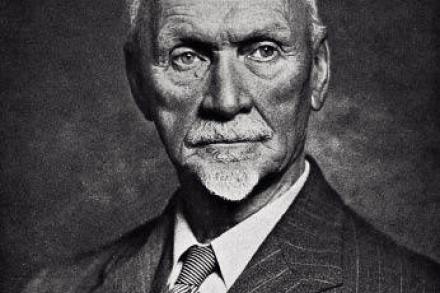
Ninety years after the ill-fated European peace settlement dictated by the victorious Allies at Versailles, it is fitting that a publisher should commission a series of 32 monographs devoted to the men and consequences of the Peace entitled ‘Makers of the Modern World’. Ninety years after the ill-fated European peace settlement dictated by the victorious Allies at Versailles, it is fitting that a publisher should commission a series of 32 monographs devoted to the men and consequences of the Peace entitled ‘Makers of the Modern World’. Collectively they will reveal the full extent of debate among the statesmen who redrew the map of Europe in 1919, setting the agenda for international relations in the age of Hitler, Stalin and Churchill.