Tom Goodenough

Tom Goodenough

Tom Goodenough is online editor of The Spectator.

Labour’s conference, day two: The Spectator guide

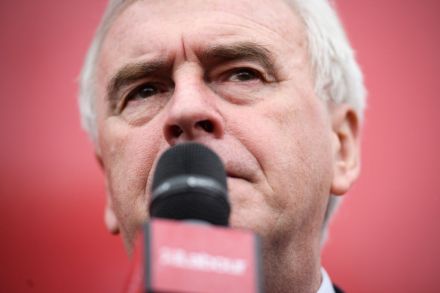
John McDonnell takes centre stage on day two of the Labour party conference. Here are the best of the events taking place at conference, on the fringes and at Momentum's 'The World Transformed': Labour conference: 10.50am: Shadow Foreign Secretary Emily Thornberry 11am: Shadow Brexit Secretary Sir Keir Starmer 12.15pm: Shadow Chancellor John McDonnell 2.15pm: Living standards and strong economy 3.35pm: Mayor of London Sadiq Khan Fringe events: 8am: Engineering Brexit Ruinart, Hotel du Vin. Speaker: Hilary Benn 8am: The Times and Sunday Times Red Box Fringe London Lounge, The Brighton Centre. Speaker: Angela Rayner 9.15am: Powering a nation: A strategy for Britain’s future post Brexit New Statesman hub, British Airways.
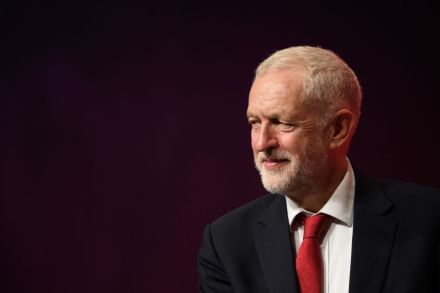
Labour keeps Brexit off the menu at their party conference

Brexit has given the Labour party something of a collective headache ever since the referendum. Now, the party is trying a new approach: pretending it doesn’t exist. The party’s annual conference has just decided which issues will be voted on by those gathering in Brighton – and the issue of leaving the EU failed to make the cut. Brexit got 72,000 votes in a ballot of Constituency Labour Party delegates. But because other issues, including the NHS (187,000), social care (145,000), housing (187,000) and railways (120,000), got more, Brexit won’t now be the subject of a vote. This is a win for Momentum, who appear to have used their clout in terms of numbers among CLP delegates to good effect, ensuring Brexit won’t be the subject of a vote.

Labour conference rows over letting Sadiq Khan speak

When Sadiq Khan took to the stage at Labour’s conference last year, his none-too-subtle message to Jeremy Corbyn was a lecture on the importance of winning power. Now, a year on, some Corbynistas are determined not to give the London Mayor the same opportunity to speak up - as we have already seen in the conference. Khan was reportedly denied a slot on the main stage this time around. That decision was then reversed in the wake of a backlash by one of the big unions, as Katy Balls reports. But the row over whether Khan should be allowed to speak isn't over yet. As proceedings kicked off this morning, one Labour member took to the stage to call for Khan to be blocked from speaking (see the video above).

Labour’s conference, day one: The Spectator guide

As the  Labour party conference kicks off, Jeremy Corbyn's grip on power has never been stronger. The party's moderates have been sidelined from the main stage at this year's event in Brighton. And a vote this week on rule changes affecting future Labour leadership contests is likely to give a further boost to those on the party's left. On day one of Labour's conference, here are the main events to watch out for: Labour conference: 10.30am: Morning plenary session: NEC Chair’s Address; CAC report 11.20am & 2.15pm: Protecting our communities 4.30pm: General Election report Fringe events: 12.30pm: Will one last heave win Labour the next general election? Hall 7 - Trent, Hilton Brighton Metropole Speaker: Chuka Umunna 12.

What the papers say: Theresa May needs to show more Brexit optimism

Theresa May’s Brexit pitch today will deliver to the EU ‘divorce terms that she hopes it can’t refuse’, says the Times. An early draft of her speech suggests she will start by explaining the choice of location, Florence; a city, the PM will say, ‘that taught us what it is to be European’. This begs the questions of what it means to be 'both British and European in the age of Brexit’, says the Times. Expect to hear mention of Britain being ’outward-looking’ and ‘global’ once again. But given that today's address ‘must be the speech of her life’ she cannot rest on saying things she has already said.

What the papers say: May must mean what she says on a Brexit no deal

Ahead of tomorrow’s Brexit speech in Florence, the Sun has some advice for the Prime Minister: show that you’re prepared to walk away. The paper says it is vital that the Cabinet pulls together around the PM’s Brexit. But it also asks: what happens if Angela Merkel doesn’t buy her plan? Of course, it would be good for Britain if the German Chancellor ‘realised the damage a 'punishment' Brexit will do to German car giants and saw reason’. But there’s no guarantee of that. So May must ’get serious about walking away’ – ‘It cannot be a bluff’, the Sun says. Former chancellor Lord Lawson is right to say ‘we have nothing to fear from a 'no deal'.

What the papers say: Tory Brexit infighting could hand Corbyn victory

Boris Johnson’s Brexit intervention ‘is a dismal reflection on Theresa May’s position’, says the Times. But worse than that, this Cabinet ‘disunity is corroding the Conservative brand’ - and making a Corbyn victory at the next election ever more likely. 'In normal times,’ says the Times, ‘the case for dismissal would be unanswerable’. But while the Foreign Secretary’s popularity has ‘plummeted’ of late, he still retains ‘a talent for generating headlines when he is in the mood for trouble’. Mrs May has learnt a lesson from her brutal treatment of George Osborne, and seems determined not to repeat her mistake on that front.

What the papers say: Boris is speaking for the majority of Brits

Boris Johnson has come in for plenty of criticism since setting out his Brexit blueprint in a 4,000 word article in the Daily Telegraph. But the Sun says the Foreign Secretary has done the PM a favour in speaking up for ‘the 52 per cent who voted Leave and the many more won over since’. ‘Theresa May must listen’ up, the paper says - and she should also 'ignore the siren calls from Cabinet Remainers’ who want to reverse the referendum result. The attacks levelled at Boris are ‘designed solely to discredit him and trash the optimistic vision’ of Brexit he has set out. Instead of getting angry at Boris, the PM should remember the fact that ‘The EU has more to lose if talks collapse’.

What the papers say: Boris’s ‘naked pitch’ for the top job

Has Boris Johnson launched a military coup? Based on ‘some of the chatter coming out of the Westminster Bubble’, you’d be forgiven for thinking his Brexit intervention was just that, says the Sun. It’s time for everybody to ‘calm down’, the paper urges. Yes, some of those who have questioned the timing of the article - published in the run-up to Theresa May’s major speech on Brexit this Friday - may have a point. But Boris is nonetheless ‘entitled to a view on what Britain might look like after we leave the EU’. The Tories need to quit the fighting amongst themselves and realise that the only ones to benefit from this squabbling are ‘Jeremy Corbyn and his union paymasters’.

The Spectator Podcast: Fat Britannia

On this week’s Spectator Podcast, we discuss Britain’s obesity crisis, the upcoming German election and the England team’s footballing woes. First up, Britain’s obesity problem is worsening, says Prue Leith in her Spectator cover piece. The UK is the sixth fattest nation on earth and more than a quarter of the population is obese. Yet despite this worrying epidemic, precious little is being done. So how can we fix this crisis? Spectator Health’s Christopher Snowdon, Professor Graham MacGregor, Chairman of Action on Sugar, and Professor Francesco Rubino, from Kings College London, have some answers. In her cover piece, Prue Leith writes: Part of the UK’s problem is that we see government intervention as nannying.

What the papers say: How to make the Brexit bill work

Urgency is badly needed in Brexit talks, says the Sun. So the paper welcomes Theresa May saying that ‘both sides have to put more hours in’. It’s been a surprise that, up until now, ‘only a week each month’ has been dedicated to meeting face-to-face, says the paper - which makes the lack of progress ‘small wonder’. Now, things need to change: companies based in Britain are looking for reassurances. And even the likes of Nick Clegg, who the paper refers to as one of the EU’s ‘most slavish UK cheerleaders’, wants Brussels' bureaucrats to show some flexibility and allow trade talks to start. ‘The clock is ticking’, warns the Sun, so two things need to happen.

What the papers say: Why a reshuffle isn’t the answer for the PM

Britain will have to pay some kind of Brexit bill to leave the EU, accepts the Sun. But that shouldn’t mean having to ‘pay a penny more than is due’. The Sunday Times reported yesterday that Theresa May is considering offering £50bn to keep Brussels happy. The Sun has a simple message: we hope that Brexit secretary David Davis is telling the truth when he describes such reports as nonsense. It’s not only the PM who comes under pressure in the Sun’s editorial today; the paper also takes aim at Brexit chief negotiator Michel Barnier for saying the UK needs ‘educating’ about the price of leaving the EU.

Theresa May’s vow to fight the next election changes nothing

Theresa May’s ability to survive the summer has emboldened her to stay on in Downing Street and fight the next election. That, at least, is what is being read into the Prime Minister’s remarks during her trip to Japan that she is in it ‘for the long term’. In fact, while it might seem that another dose of mountain air has strengthened the PM’s resolve, little has changed about May’s plan for the future. And by saying that she isn’t quitting any time soon, the PM is just stating the obvious. In the days after the election, Theresa May told MPs: I will serve as long as you want me. Despite the excitement now greeting her latest remarks, this remains her position.

What the papers say: Europe’s leaders must wake up to Juncker’s games

Jean-Claude Juncker is a ‘preposterous oaf’, according to the Sun. The paper says that, particularly on this side of the Channel, people shouldn’t care much about what he thinks. Yet ‘diehard Remainers’ continue to treat his word as gospel and ‘seize on Juncker’s every self-serving snippet as “evidence” of our Government’s failings’. Yes, there are some ‘reservations’ with how ministers are dealing with Brexit. But the papers published this month on Brexit by the Government actually look ‘eminently reasonable’ - a stark contrast from the ‘childish, posturing amateurs in Brussels’.

What the papers say: The time for a Brexit transition is running out

Is the EU’s chief Brexit negotiator Michel Barnier actually serious about doing his job, wonders the Sun. In its editorial, the paper says that yesterday ‘yet another round’ of talks went by with hardly any progress. Once again, Barnier used the lack of any substance to complain. But the Sun is questioning whether this is all part of the plan: ‘The suspicion grows daily that Mr Barnier is hoping...to lengthen the impasse’, and that by doing so he'll force the government to back down - or hold out for a second referendum to put paid to Brexit for good. This approach shows a ‘contemptible disregard’ for British voters who backed Brexit, argues the Sun. Yet Barnier isn’t the only one to blame here.

What the papers say: Theresa May shows she is for turning

In any deal, says the Sun, ‘no party should agree to the rules being set by the other side’. So the Prime Minister is ‘reassuringly spot on’ to insist we cut ‘direct ties with the European Court of Justice’. Whatever some might say, ‘make no mistake..’ the ECJ is no independent institution’, argues the paper - and instead, the court has been the ‘hothouse' for the 'ever-growing superstate’ of the European Union. Theresa May’s decision to turn Britain away from the court should be welcomed; and the terms the government put forward in its position paper, which it published yesterday, ‘strikes a decent balance’.

Is Theresa May preparing to cross her Brexit ‘red line’?

Theresa May could not have been any clearer: the UK is leaving the jurisdiction of the European Court of Justice after Brexit. Here’s what she told the Tory party conference back in October: ‘Let’s state one thing loud and clear: we are not leaving the European Union only to give up control of immigration all over again. And we are not leaving only to return to the jurisdiction of the European Court of Justice. That’s not going to happen.’ And for those who didn't get the memo, here she was in January: "So we will take back control of our laws and bring an end to the jurisdiction of the European Court of Justice in Britain." Now, things aren’t quite so clear.

What the papers say: Britain’s Brexit trump cards

The EU holds all the ‘trump cards’ in Brexit talks. Or at least that’s what some ‘Remainers’ would have you think, says the Sun in its editorial today. Don’t believe it, the paper insists, pointing out that the EU 27 ‘export a massive amount of goods to the UK’. In fact, as the government pointed out yesterday in its Brexit position paper on trade, our friends on the continent ‘sell more stuff here than to China, Russia, India and Brazil combined’. All this means that it is ‘massively in their interest to work with Britain’ - a realisation that is starting to sink in, the Sun suggests.

Seven cards the government can play in Brexit trade talks

Theresa May says ‘a positive and constructive partnership’ with the EU after Brexit is the target. Beneath the jargon, the message to Brussels in the government’s latest position paper is simple: a trade deal is in your interests too. Ministers are at pains to point out that a messy Brexit won't just do damage to the UK. It’s true there are some in Brussels who will be keen to teach Britain a lesson for having the temerity to leave. The government’s pamphlet is a warning to that method of thinking.

What the papers say: A Brexit trade deal is in everyone’s interests

‘It is vital for our future prosperity’, says the Sun, ‘that we cut a trade deal with Brussels’. David Davis was correct then, the paper argues, to ‘call on the EU to start trade talks running “parallel” with our exit talks’. ‘After all, how can we settle our bill until we know what we’ll get in return,’ the paper asks. The Sun goes on to point out that, no matter how much it might wind up ‘EU bosses’, the EU sells us £96bn more than we sell them’. This makes one thing clear: 'a free trade deal is in their interests too’. ‘EU chief negotiator Michel Barnier has been throwing his weight around’, the paper says.