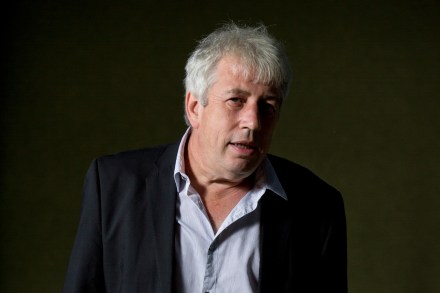
Tim Luckhurst

Rod Liddle was a brilliant friend

I regarded Rod Liddle as a close, loyal and utterly brilliant friend for 42 years. We first met in 1984 as parliamentary research assistants working for members of Neil Kinnock’s shadow cabinet. Rod worked for Barry Jones, shadow secretary of state for Wales. I worked for Donald Dewar, shadow secretary of state for Scotland. Rod was a sophisticated mystery even then. It took me months to work out that he was still studying for his degree at the London School of Economics. While I toiled away at my desk between 9 a.m. and 5 p.m., stopping only for lunch in ‘Plod’s’, as we called the cafe off Westminster Hall frequented by police officers and security staff, Rod took regular brief absences from work to dash from SW1 to WC2 to attend lectures.

Who really freed Megrahi?

Who really freed the Lockerbie bomber? The question cannot be answered by deliberately looking in the wrong place. And for the fortnight since Kenny MacAskill, Scotland’s Justice Secretary, announced Mr Megrahi’s release that is what journalists have been doing, obsessively. Reporting with the pack mentality that often misdirects them, British newspapers have tried to prove that Gordon Brown authorised the release. Instead they have demonstrated only that the Prime Minister wanted Megrahi to be transferred to Libya under the prisoner transfer scheme, and that he had no power to make it happen. Granted, Mr Brown and the British Cabinet desired a result that would have appalled Americans nearly as much as the actual outcome has. But their view did not prevail.

Poles apart?

In Warsaw last Tuesday the French defence minister, Michelle Alliot-Marie, continued her President's ham-fisted strategy of offering patronising advice to Eastern European nations on course to join the European Union. 'It was better to keep silent when you don't know what's going on,' she declared. Poland's deputy foreign minister, Adam Rotfeld, resented the lecture. 'France has a right to its opinion and Poland has the right to decide what is good for it,' he told an interviewer. Then, addressing himself directly to Ms Alliot-Marie's boss, 'I would prefer it if he expressed himself more politely.' Another East European diplomat said Chirac had spoken in a tone that even Moscow would have been reluctant to use with its Warsaw Pact clients.