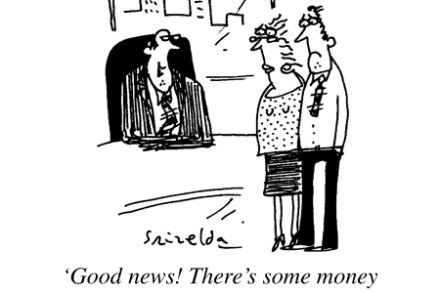
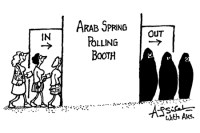
Grizelda 2
All at seaSir: The Spectator’s cover article last week was entitled ‘The Sea Level Scam’. You can rest assured that no such scam exists. Most claims of the author, Nils-Axel Mörner, have never been published in peer-reviewed articles so cannot be independently verified. However, he published on his research in the Maldives in the journal Global Planetary Change in 2004. His findings about a possible sea-level fall in the region and the geological coral record, and his interpretation of satellite measurements of sea-level change have all been subsequently refuted. He is correct to point out that there is widespread geographic variability in patterns of sea-level rise.
Let the Games beginThe budget for the opening ceremony of the 2012 Olympics has been doubled to £81 million, the government has announced. The move has ignited fears that the ceremony could prove an expensive disaster — but there is no guarantee that things will go well even when kept simple. — The London games in 1908 saw the first Olympic opening ceremony, consisting of a gym display by the Ladies London Polytechnic and a procession by the athletes, bearing the flags of their countries. — The Finns sulked because they had been told they must march under the Russian flag. The stars and stripes was by accident flown from a stadium flagpole at half-mast.
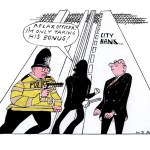
HomeDavid Cameron, the Prime Minister, said before an EU summit on the eurozone debt crisis that he would not agree to any treaty change ‘that fails to protect our interests’. Downing Street rejected suggestions by Iain Duncan Smith that a referendum on the EU would be made necessary by the changes proposed. Sir Mervyn King, the Governor of the Bank of England, said that the crisis posed an ‘exceptionally threatening environment’ for British banks and that they should increase their capital reserves in preference to paying dividends or bonuses.
Is a time of economic crisis an opportunity for fundamental reform, or a time to muddle through while waiting for calmer waters in which to effect lasting political and economic change? When he came to power last year, David Cameron argued for reform. He laid out plans so radical that Vince Cable complained they were ‘Maoist’. There would never be a better time to shake things up, he reasoned; if it were left until crises had passed, the momentum for change would be lost. Now, Cameron’s zeal has vanished. A crisis, it transpires, is no time to be radical. It would be rude, almost selfish to use the summit negotiations as an opportunity to improve Britain’s relationship with the EU.
Here is a selection of posts made on Spectator.co.uk over the past week: Fraser Nelson highlights the New York Times's austerity myth, and wonders how Europe's 17-plus-six will proceed now. James Forsyth says that the Brussels summit was a defining moment for British politics, and posts an extended version of his interview with Owen Paterson. Peter Hoskin says that the Merkozy Plan fails to convince. Melanie McDonagh argues that the state should take charge of examinations. David Blackburn reports on this week's lobbying scandal. Daniel Korski explains what Cameron could have done differently in Brussels. Martin Bright attacks an old lie. Nick Cohen laments the misogyny of journalists and the internet.
Welcome to the latest CoffeeHousers' Wall. For those who haven't come across the Wall before, it's a post we put up each Monday, on which — providing your writing isn't libellous, crammed with swearing, or offensive to common decency — you'll be able to say whatever you like in the comments section. There is no topic, so there's no need to stay 'on topic', which means you'll be able to debate with each other more freely and extensively. There's also no constraint on the length of what you write — so, in effect, you can become Coffee House bloggers. Anything's fair game, from political stories in your local paper, to chat about the latest football results.
…here are some of the posts made at Spectator.co.uk over the weekend. Fraser Nelson says auterity is not enough – what we need is a real plan to kick start growth – and reports on Herman Cain's exit from the US Presidential race. James Forsyth highlights the political advantage in setting spending plans beyond the next election. David Blackburn looks at the latest developments on the question of an EU referendum, and suggests the government may be changing its views on High Speed rail. Dame Anne Begg MP answers the Book Blog's questions. And the Arts Blog reviews the new biography of Ernie Wise.