The Spectator

Just in case you missed them… | 23 April 2012

...here are some posts made on Spectator.co.uk over the weekend: Fraser Nelson reports on Ash Green School's success story and puts forward the case for ignoring Strasbourg. James Forsyth looks at how the House of Lords would be elected, examines Cameron's mid-term blues and thinks Clegg's is using 'absurdly patronising' language on a Lords referendum. Sebastian Payne thinks Siobhan Benita might be Boris' secret weapon. David Rodigan goes through the essential Bob Marley. And Liz Truss MP is this week's Bookbencher on the Spectator Book blog.
Bookbenchers: Liz Truss MP

Parliament is back from the Easter recess, and so is the Spectator’s Bookbenchers. First back into the hotseat is Elizabeth Truss, the Tory MP for South West Norfolk. She is inundated with children’s books, and wants to get to grips with some serious science. 1) Which book's on your bedside table at the moment? Charles Dickens, A Tale of Two Cities and Britannia: One Hundred Documents That Shaped a Nation by Graham Stewart. 2) Which book would you read to your children? Edward Lear Nonsense, Alice in Wonderland — and all the Julia Donaldson (Gruffalo) books.

Letters | 21 April 2012

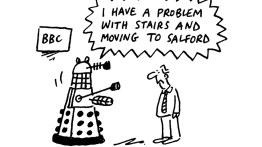
Capital lettersSir: As Neil O’Brien (‘Planet London’, 14 April) rightly says, London is New York, Washington and LA rolled into one, which is unhealthy for our national politics. So I have a serious suggestion. If the House of Lords is going to be reformed in the next year, part of the reform should be to move it out of London to a city in the Midlands or the North, perhaps next to the relocated BBC in MediaCity in Salford Quays. Half our national politicians would then assemble well away from ‘Planet London.’ The public purse would make a net saving by selling the vast and expensive property portfolio the Lords has been acquiring to house its 850 members along Millbank and the surrounding streets.

Portrait of the week | 21 April 2012

HomeAbu Qatada, wanted in Jordan on terrorism charges, was held in prison in England again, two months after his release from prison, and Theresa May, the Home Secretary, said he would be deported to Jordan, although ‘deportation may still take time’. Abdel Hakim Belhadj, a Libyan commander, sued Jack Straw, the former foreign secretary, alleging that he was instrumental in his arrest by US agents who sent him into the clutches of the late Colonel Gaddafi. Charities campaigned against the plans by George Osborne, the Chancellor of the Exchequer, to limit tax relief on big donations to £50,000 or a quarter of the donor’s income, whichever the higher.

The technocrats are coming

  There was a time when the British could look upon the French, and their monstrously big government, with a sense of superiority: not any more. There is now a horrible similarity to our political predicaments. We both have political leaders who have failed to kick-start an economic recovery, in spite of repeated promises. We both have old-school socialists as opposition leaders, riding worryingly high in the polls while touting high-taxing policies that would not have sounded out of place in the 1970s. Meanwhile, national debt is rising on both sides of the Channel, albeit twice as fast in Britain as in France. But Britain does have the pound sterling. A country with its own currency can print money and keep debt artificially cheap.

The week that was | 20 April 2012

Here is a selection of articles and discussions from this week on Spectator.co.uk... Most discussed: Andrew Adonis on moving the Lords to Manchester. Most read: James Forsyth on the civil service coup. Most shared: Sebastian Payne on Michael Gove's historical conundrum. And the best of the rest... Fraser Nelson speaks highly of Anders Borg and believes there is a looming schools crisis. James Forsyth examines the depth of feeling over House of Lords reform and asks if newly created jobs are going to British people. Peter Hoskin reports on Galloway's return and thinks QE has returned to the fore.  Jonathan Jones writes on America's own tax debacle and finds there is no 'poll shock'.