The Spectator

The Spectator at war: Husbands, sons and brothers

From ‘Husbands, Sons and Brothers’, The Spectator, 5 June 1915: AT the beginning of the war it was proposed by a group of well-known Englishwomen that mourning should not be worn for those killed in battle. The motive was excellent—the spirit of the Roman mother who did not count lost a life given for the State. But the propriety of this minor symbolism has been swallowed up and forgotten in the reality of a civic valour at home which has become so conspicuous that it needs no deliberate professions. We most all have been astonished at the calmness and the beautiful resolution present in thousands of families which, without condemnation, might have appeared to the world shattered, and for the time being demobilized from effort.

The Spectator at war: The great possessions

From ‘Depression and its Causes’, The Spectator, 5 June 1915: What causes fear and anxiety in moments of crisis is not the inevitable, but the thought whether one is doing enough or doing the right thing to prevent the peals which one dreads. When men have made the renunciation and are spending their last shilling and their last ounce of strength, have given, in fact, all that they have to give, they are happy. The bitterness is past. When, however, they have not made voluntarily, or been compelled by circumstances to make, the great renunciation, it is a very different matter. It was not the poor widow who cast in all that she had who was unhappy.

Portrait of the week | 4 June 2015

Home David Cameron, the Prime Minister, toured Europe trying to gain support for reforms to favour Britain’s position in the European Union. Angela Merkel, the Chancellor of Germany, said she did not rule out treaty changes in Europe and would be a ‘constructive partner’ of Britain in seeking reforms. Nick Clegg, the former deputy prime minister, was found to be on a list of 89 figures from the EU banned from entering Russia. Jeremy Hunt, the Health Secretary, said he would do something to reduce the cost of agency staff for the NHS in England, which amounted to £3.3 billion last year. The government, which has reduced its stake in Lloyds bank from 41 per cent to 19 per cent, said it would mount a sale of Lloyds shares to the public in the next 12 months.

Barometer | 4 June 2015

First test The driving test celebrated its 80th anniversary. The first person to take the test, R.E.L. Beene of Kensington, passed. Here is some of the advice given to candidates on a Pathé newsreel: — ‘Don’t flick your cigarette ash outside. It’s very confusing.’ (The driver behind would have been looking for hand signals.) — ‘Never drive on the crown of the road.’ — ‘Don’t look down at the gear lever while you change gear.’ — ‘Don’t be nervous. The examination is not an inquisition but a series of very reasonable tests.

Who’s listening?

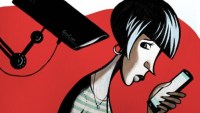
[audioplayer src="http://rss.acast.com/viewfrom22/thehighpriestsofhealth/media.mp3" title="Fraser Nelson and Paul Staines discuss the collapse of the Andy Coulson perjury trail" startat=1402] Listen [/audioplayer]Britain and America, as George Bernard Shaw is reputed to have said, are two countries divided by their common language. As of this week they are divided by something else, too: their common interest in the fight against terrorism. While David Cameron’s government has announced an Investigatory Powers Bill to beef up surveillance powers, the US Senate voted to allow the surveillance powers in the Patriot Act to expire. American spies will have replacement powers soon, but ones that do not enable the routine surveillance of citizens.