The Spectator

Letters: Spain vs Catalonia, hedgehogs vs badgers, Palmer vs Moore

Spanish practices Sir: In your leading article last week you wrote: ‘Yes, Catalonia and Scotland were independent in the 16th century.’ True about Scotland, but not Catalonia. Since 1162, the Kingdom of Aragón and the county of Barcelona have been a single entity and, since 1475, the Catholic kings and their descendants have ruled both Castile and Aragón. The Spanish 16th century was essentially ruled by the King Emperor Charles I of Spain and his son Philip II, although Spanish kings would appoint viceroys in all the territories of the Kingdom of Aragón. To legitimise their claims, Catalan nationalists often compare their situation with that of Quebec or Scotland. But such a strategy will only succeed with the unwary.

Barometer | 8 October 2015

The death of Diesel The Volkswagen scandal has brought into question the future of the diesel engine. A century ago its inventor, Rudolf Diesel, was himself the subject of scandal. On 29 September 1913 he disappeared from the steamship Dresden on its way from Antwerp to Harwich. He had retired to his cabin after dinner but had not changed into his bedclothes. His body was found off Norway ten days later. He was apparently on his way to discuss selling diesel engines to the Royal Navy for submarines, leading to suspicions that he had been murdered to prevent the technology falling into British hands. His financial situation, however, pointed to possible suicide. The Royal Navy went into the first world war with steam-powered submarines.

Dear Mary: How can girls avoid freezing in cold marquees?

Q. What do you do when you are so cold at a party that you cannot enjoy it? At a recent 21st in Hampshire the theme was Summer of Love so I was in a beaded catsuit and my friends were in cotton minidresses with bandanas and thin velvet coats. But the theme Arctic Explorers would have been more appropriate. There were heaters in the marquee but they only made a difference if you stood in front of them and only one person at a time could do so. The food and music were brilliant but all we could think about was how cold we were. Our host was cold herself but she kept the house locked up. — B.G., London SW3 A. Nothing like this should happen if a proper party planner is employed.

Portrait of the week | 8 October 2015

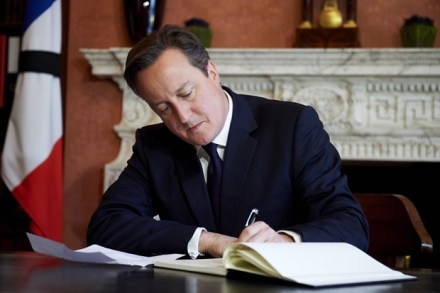
Home David Cameron, the Prime Minister, told  the Conservative party conference in Manchester: ‘We need a national crusade to get homes built.’ George Osborne, the Chancellor of the Exchequer, announced that councils would be allowed to set their own business rates and keep all the money they raise. Lord Adonis, the Labour peer, moved to the crossbenches on being appointed by Mr Osborne to head the new National Infrastructure Commission, to assess needs and ‘hold any government’s feet to the fire if it fails to deliver’.

This is the Tories’ golden chance to seize the centre ground

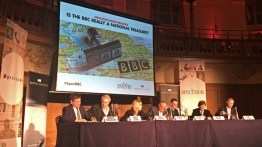
Political party conferences have, in recent years, felt like an empty ritual. They used to be convened in seaside towns, so grassroots activists could find affordable accommodation. Now they are usually held in cities, so lobbyists can find better restaurants. Activists have been supplanted by members of the political class who are charged £500 a ticket. In the fringe debates, speakers face a volley of questions from people paid to ask them — on pensions, subsidies for green energy and the like. Politicians spend all day talking to journalists, and real politics vanishes. This year, however, politics has returned.