The Spectator

The Spectator Podcast: Turkey can’t cope. Can we?

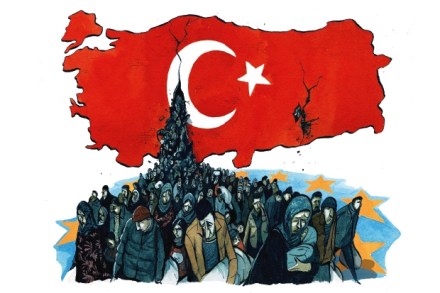
[audioplayer src="http://rss.acast.com/viewfrom22/thenextrefugeecrisis/media.mp3" title="Listen to this week's edition of the The View From 22"] Listen [/audioplayer] In this week’s issue, Laura Pitel discusses whether the next refugee crisis emerging in Turkey could dwarf the first which has gripped Europe. Turkey has taken in two and a half million refugees – nearly three times as many as the number who have sought refuge in Europe. But there are signs that the country is starting to struggle under the strain of Syrian refugees as more arrive each day. What could it mean for Europe if Turkey reaches breaking point?
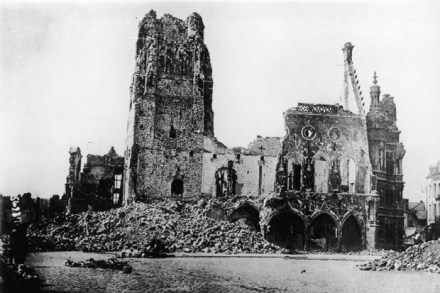
France in ruins

From ‘Marching through France’, The Spectator, 12 February 1916: Finally we came to the trenches themselves, and all around was desolation and ruin. There are few more mournful spectacles than a town or village lately reduced to ruins. To what purpose were all these homes sacrificed? Why are all these good people scattered and beggared and fugitive? Cui bono? On the Day of Judgment someone will have to answer. As we thought of the pleasant towns and villages that we had left behind, with their honest, kindly inhabitants, we set our teeth and resolved that, if we could prevent it, the receding tide should never return over the fair lands of France.

Today’s doctors strike proves how the NHS needs radical reform

This is a bleak day for the NHS. The doctors strike has gone ahead and some 3,000 operations have been cancelled. Talks broke down last night, and the British Medical Association has shown it is quite prepared to put patients in the firing line in its dispute over a deal that would mean a pay rise, not a pay cut, for 99 per cent of doctors. From 8am this morning, only emergency care will be provided. Treatment for that once-virulent condition, the British disease of strikes, has largely been successful. The number of working days lost to industrial action in the first ten months of last year was the second-lowest since records began. Pay and conditions have been relentlessly improving.

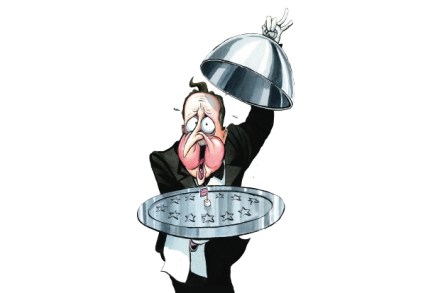
Cameron’s “deal” has backfired – badly. So what will he do now?

[audioplayer src="http://rss.acast.com/viewfrom22/fightingovercrumbs-euroscepticsandtheeudeal/media.mp3" title="James Forsyth and Vote Leave's Stephen Parkinson discuss Euroscepticsm"] It should, by now, be clear to David Cameron that he is in some degree of trouble with his referendum. The latest YouGov poll shows the ‘out’ side with a four-point lead: those who were waiting for his renegotiation to yield results have been appalled first at the paucity of the “deal”, and then at his shameless attempt to sell it as a victory. As Cabinet members rally behind this non-deal, we are presented with the unedifying sigh of an establishment closing ranks. This, in itself, causes a degree of public revulsion – which is being reflected in the polls.

Letters | 4 February 2016

Leave those kids alone Sir: Melanie Phillips was right to raise serious concerns about the emerging practice of challenging children to define their gender identity (‘In defence of gender’, 30 January). She quoted justice minister Caroline Dinenage as saying that the government was ‘very much on a journey’ on this issue. The government should therefore give children space and time to follow their own ‘journey’ of self-discovery and discovery of the world without pressure from above to choose labels to define their own sexuality. They have enough pressure of this kind from their peers.

Barometer | 4 February 2016

Ballots drawn Hillary Clinton and Bernie Sanders tossed a coin to decide which of them was the winner in some precincts of Iowa. What would we do if we had a tied election? — The closest British election in modern times was the council election in Bury, Greater Manchester, in 2011. With Labour needing one more seat to take control of the council, the Labour and Conservative candidates in the ward of Ramsbottom were found to be tied. They drew straws, the longer of which went to the Labour candidate, Joanne Columbine. — The closest recent parliamentary election was that in Winchester in 1997, where Liberal Democrat Mark Oaten won by two votes.