Steven Vates

The insidious re-normalisation of smoking

The NHS has long since been smoke free, banning smoking on-site for patients and staff alike back when I was a nursing student. Of course this is ignored pretty much universally by patients and visitors, and every time you enter a major hospital it is usually through a cloud of tobacco smoke whilst the poor nurses must change out of their uniform and leave the hospital site in their rest break. It was with great surprise then, whilst sipping my morning coffee recently and trying to recover from the hacking smokers cough acquired entering the building, that I noticed a patient nearby sat merrily smoking away. I was incredulous. Outraged. I stared open mouthed, and, being British, said absolutely nothing.

Why lobbying against sugar misses the point

Everybody knows that obesity is a massive problem. According to the World Health Organisation, it is now linked to more deaths than malnutrition and starvation. And thanks to a remarkable lobbying effort in recent years, we all know the culprit – sugar. The science against sugar stacks up pretty well. The American endocrinologist Dr Robert Lustig has written and lectured extensively on how fructose (one half of table sugar) contributes to obesity and poor metabolic health, likening it to an addictive drug which should be restricted for sale. His YouTube lecture has been viewed over 4.8 million times. The UK lobby group Action on Sugar have been working hard to reduce the amount of sugar added to processed foods and beverages.

David Cameron gets serious about antibiotics — too little too late?

David Cameron has announced a review into why so few antimicrobials have been introduced over recent years. This seems to be too little too late. The impending car crash in healthcare of death from minor surgeries and incidental infections looms over us all. I have seen patients in critical care die of infections because we literally had no drugs left to treat them with. The continued evolution of bugs – MRSA and others– against our best drugs has been a huge problem for some time, one that rightly makes headlines problems. But it is hard for a society to take a such a grave threat seriously until it reaches epidemic proportions – and by then, it is not an exaggeration to say, we could all be at risk.

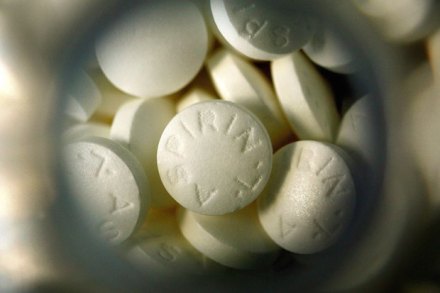
The Aspirin dilemma: should you stop taking it?

You may be feeling confused following recent press reports that Aspirin is no longer recommended as stroke prevention. Those who take Aspirin may be more panicked than confused, if so stay calm and breathe (feel free to utilise a paper bag if you think it might help, I try not to judge). To answer the question of why your doctor is giving or not giving you Aspirin requires an understanding of what it does. Aspirin blocks a set of enzymes which are required to initiate a series of complicated events in the body that allow platelets to become active in your blood and plug up any small breaks in blood vessels. The logic is that a dose of Aspirin will also prevent blood vessels getting clogged up with platelets in the brain which might cause a stroke.