Simon Marcus

Could this summer see a repeat of the 2011 riots?

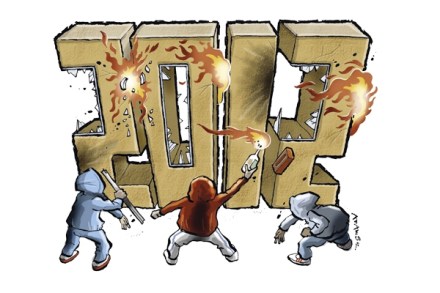
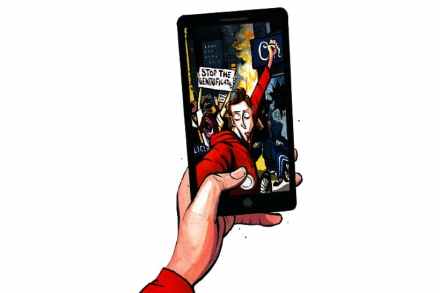
The heatwave is on and reports of London's crime wave are widespread, with crime up dramatically in the last year: could a repeat of the 2011 riots be on the cards? Predicting riots is tricky but sometimes there are clues: the weather plays a part; and so too does the economy, community cohesion, social morals and other factors that can combine to lead to outbreaks of widespread disorder, just as they did seven years ago on the streets of the capital. Of course, 2011 wasn't the only time people intent on violence have taken to the streets of Britain in recent years.
Could this summer see a repeat of the 2011 riots? | 24 July 2018

The heatwave is on and reports of London's crime wave are widespread, with crime up dramatically in the last year: could a repeat of the 2011 riots be on the cards? Predicting riots is tricky but sometimes there are clues: the weather plays a part; and so too does the economy, community cohesion, social morals and other factors that can combine to lead to outbreaks of widespread disorder, just as they did seven years ago on the streets of the capital. Of course, 2011 wasn't the only time people intent on violence have taken to the streets of Britain in recent years.
Is transgender ideology making the UK’s mental health crisis worse?

There is a mental health crisis in the UK. The symptoms are often body related, and the causes are complex, but a new orthodoxy now labels some of these people as transgender. This means that instead of getting psychological care, increasing numbers are encouraged to take potentially dangerous hormones on their way to transitioning gender. The World Health Organisation's recent ruling that it will no longer classify being transgender as a mental illness is hailed by some as a progressive step forward. But could this shift in thinking actually compound matters and mean that transgender patients' other medical issues are ignored? There has undoubtedly been a cultural change on the issue of gender in the last few years.

Is transgender ideology making the UK’s mental health crisis worse? | 25 June 2018

There is a mental health crisis in the UK. The symptoms are often body related, and the causes are complex, but a new orthodoxy now labels some of these people as transgender. This means that instead of getting psychological care, increasing numbers are encouraged to take potentially dangerous hormones on their way to transitioning gender. The World Health Organisation's recent ruling that it will no longer classify being transgender as a mental illness is hailed by some as a progressive step forward. But could this shift in thinking actually compound matters and mean that transgender patients' other medical issues are ignored? There has undoubtedly been a cultural change on the issue of gender in the last few years.

Britain is still broken. Here’s how to fix it

Nearly six years ago, in The Spectator, I explained how and why the gang culture that exploded in the 2011 riots was a ‘taste of the Britain to come.’ I also explained how the left-liberal establishment had allowed the conditions for gang crime to flourish while ignoring the solutions. Sadly, this wasn’t difficult to predict and with the 2018 killing toll in London passing 50, the same questions need to be asked again. The good news is that we can stop the carnage on our streets within a week. But firstly it is important to draw a clearer picture of the causes.

Minority report

As a member of the Riots, Communities and Victims Panel, I believe that we failed to address the deeper causes of last summer’s violence Will the riots happen again? That was the question many people asked after last summer. As one of the appointees to the government’s Riots, Communities and Victims Panel, set up in the wake of the riots, I think I know. But a number of my conclusions differed from those of my fellow panellists, and some of the politicians who set us up. We spent six months travelling around the country speaking to people about what happened. Those who spoke to us cited many issues, including poverty, inequality, consumerism, entitlement, policing, discipline and ‘the X Factor society’. The panel rightly addressed many of these in its report.