Sebastian Payne

Is Obama’s Syria vote a gamechanger? View from 22 special podcast

From our UK edition

As the world's reaction to Syria continues to develop, with Barack Obama's vote in Congress and talks of a second vote in Parliament, the Spectator’s Douglas Murray, James Forsyth and Isabel Hardman discuss the state of the special relationship, who will be responsible for the eventual outcome in Syria, what Labour and the Tories are thinking about a potential second vote, the significance of Obama following in Cameron's footsteps and what to expect over the next week. Douglas Murray on the problems with intervention 'How do you hit targets in Syria that punish Assad which do not go some way to toppling the regime? If you do topple the regime, then there is a strong argument you've broken it and therefore you own it.
George Osborne: I’m still passionate about HS2

From our UK edition

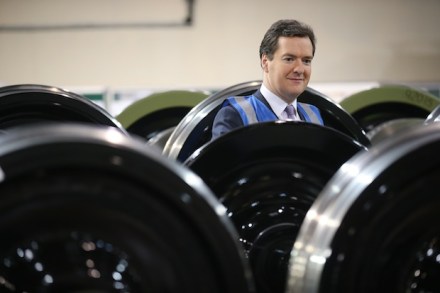
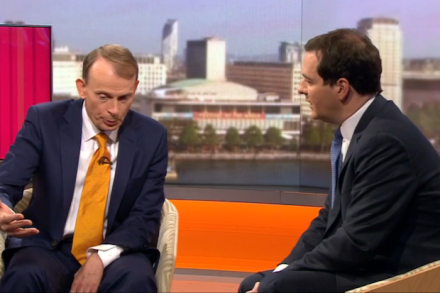
George Osborne is not relinquishing his love for High Speed 2 anytime soon. On his welcome return to television this morning, Andrew Marr gave the Chancellor a grilling over the new line. Osborne in return defended the government's position both on monetary and ideological grounds. With the most recent costings of £50 - 80 billion thrown around, the Chancellor added some clarity on how much he will authorise for construction of the new line: ‘We have set the budget for £42bn for the construction costs. That includes, by the way, a big contingency. As we demonstrated with the Olympic Games, we can deliver these big projects actually sometimes under budget. I think we have got a good budget, which has got a very big contingency in it, we've set a budget.

Syria debate: the sensible and profound punditry on Twitter

From our UK edition

At 10.00pm last night, Parliament votes against giving British approval to an American missile strike that was going to happen with or without us. But to the New York Daily News, it's a sign that the British have gone AWOL. And to many in Britain, it's a sign that the world has ended. Here's a selection of the more emotional responses to last night's vote: @paddyashdown In 50 years trying to serve my country I have never felt so depressed/ashamed. Britain's answer to the Syrian horrors? none of our business!

‘Cameron looked like he was about to vomit’ – View from 22 Syria special podcast

From our UK edition

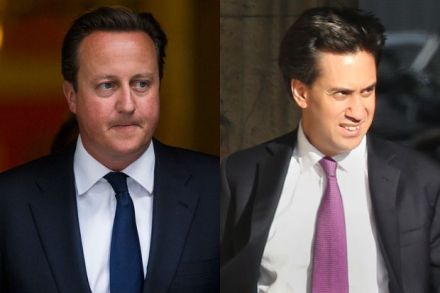
Following David Cameron's historic defeat on Syria in the House of Commons yesterday, the Spectator's Fraser Nelson and Isabel Hardman discuss why both the government's and Labour's motions were defeated, the implications for the Prime Minister and Ed Miliband's political standing and what this means for Britain's place in the world. You can subscribe to the View from 22 through iTunes and have it delivered to your computer every week, or you can use the embedded player below: The View from 22 — Syria special.

The View from 22: Peter Hitchens and Alan Mendoza debate British intervention in Syria

From our UK edition

Is David Cameron pushing Britain into a war without a purpose? On the latest View from 22 podcast, the Mail on Sunday’s Peter Hitchens vigorously debates Alan Mendoza from the Henry Jackson Society on this week’s developments in Syria. Why should Britain increase its involvement in Syria? What benefit would it bring to our nation? And how has the Prime Minister evolved from a leader who once said ‘democracy should not be dropped from 40,000ft’ into a foreign policy hawk? Fraser Nelson and Isabel Hardman also discuss how this week’s parliamentary business on Syria will play out between the coalition partners. Are the Tories and Lib Dems united?

UK government is one of the world’s top pryers into user data on Facebook and Twitter

From our UK edition

Our government loves to snoop. Nick Cohen explained in the Spectator last year why Britain is becoming a surveillance state, and now we have an indication of how much data they have attempted to extract from social networks. Facebook has released its first figures on government requests for data on its users. As the chart below shows, the UK comes third for the amount of data requested, behind the United States and India: It’s a similar story for Twitter, whose figures from January to June 2013 show that the UK is again third for number of requests, behind the same countries as Facebook: On the internet telephoning service Skype, the UK government even made more requests last year than any other country.

Michael Gove’s not-so-gentle reminder to Ed Miliband

From our UK edition

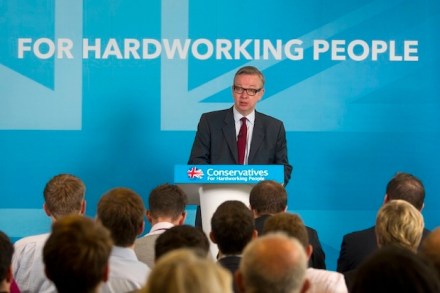
Surprise, surprise — Michael Gove doesn’t think much of Ed Miliband. To keep up the momentum on Labour's summer of discontent, the Education Secretary gave a speech at Conservative HQ this morning, focusing on Labour's troubled relationship with the trade unions — again. He was clearly enjoying himself as he compared the Labour leader's present position to two of the party's moderate forces: ‘And if anyone thinks I am asking too much I ask simply this - what would Blair do? Indeed, what would even Kinnock have done? ‘The sad truth is that - charming, intelligent, eloquent, thoughtful, generous and chivalrous as Ed Miliband may be - in this critical test of leadership he has been uncertain, irresolute, weak.

How much would Labour cost you?

From our UK edition

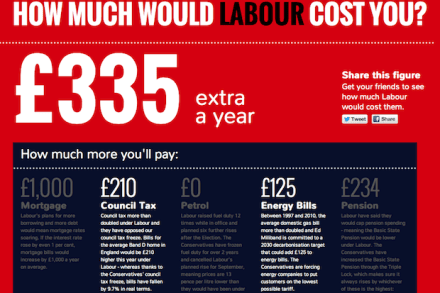
Labour has decided that the cost of living is the best way to attack the Tories while it tries to fathom what its own policies are. This is a rich seam to mine, and the party wants to ask voters whether they are really any better off than they were five years ago. But Ed Miliband and his team may be reckoning without the energetic attack dog mood that the Tories are in at the moment. They are keen to fight Labour on this turf, too, rather than giving any ground. So confident are the Conservatives that rather than defend their record, they are also going on the defensive, launching Cost of Labour, a new website which estimates, based on personal circumstances, how much a Labour government would cost you. Like all CCHQ initiatives of late, it includes an all-important email field.

No need to fret Stephen Twigg, Gove is already tackling multiple exam entries

From our UK edition

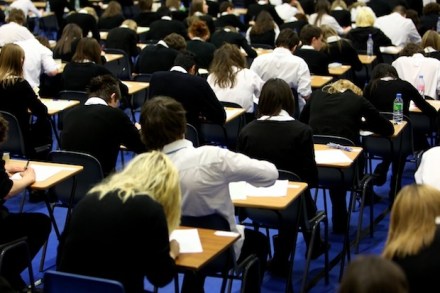
At last, something Michael Gove and Stephen Twigg agree on. Both the Education Secretary and his opposite number agree that efforts need to be made to tackle pupils entering the same exams multiple times, sometimes even through multiple exam boards. There are often legitimate reasons but the practice has become more c used to boost grades. In light of today’s GCSEs results, the shadow Education Secretary has urged Gove to target schools that are gaming the system; to ensure ‘the system is robust, so students only need to take the exam once.' Good idea, except the Education Secretary has already recognised the issue and taken steps to address it.

The View from 22 — death of the middle class, entrepreneurial gypsies, HS2 and binge drinking

From our UK edition

Is the great stabilising force in British society disappearing? On this week's View from 22 podcast, deputy editor of the Catholic Herald Ed West discusses the strange death of the middle class and why economically, the 'squeezed middle' is a valid concern. Is it the government's fault, and can anything be done to reverse the trend? Author Katharine Quarmby and Freddy Gray also discuss the rise in gypsy entrepreneurs, and explain why the travelling lifestyle is well suited to running a globalised business in the twenty first century. Fraser Nelson also debates whether HS2 will ever actually be built, and why high speed lines across the world are becoming a flawed proposition.

Will George Osborne be able to push through HS2?

From our UK edition

As if many true blue parts of England didn't dislike the Chancellor enough, today's Financial Times adds to his misdemeanours renewed support for High Speed 2. Their splash (£) reports that despite fresh concerns from Treasury officials over the sums, George Osborne is still pushing ahead with the new line. According to the pink 'un, Osborne sees the project as 'an emblem of the coalition's commitment to spread growth more evenly across the country'. I'm sure many of his fellow Tories will be disappointed that he isn't backtracking instead. Osborne's rallying cry doesn't drown out the scary new figure that the FT has for the cost of HS2.

How the Lobbying Bill may accidentally bring down political bloggers

From our UK edition

Is the Lobbying Bill another erratic attempt to censor bloggers? In a similar fashion to the Crime and Courts Act, which almost put blogs under the same umbrella as newspapers for fines, the Transparency of Lobbying, Non-party Campaigning and Trade Union Administration Bill has potential implications for charities and 'third sector' groups, not just political parties and bog standard lobbyists. As Mark Ferguson pointed out on LabourList, any campaigning classed as 'political' in an election year will be subject to a £32,000 limit, more paperwork and potentially, permission from a political party to actually take place if they exceed that limit.This new regime, unless clearly defined in the bill, could affect political blogs.

Like fracking, HS2 will define David Cameron as a progressive or protective conservative

From our UK edition

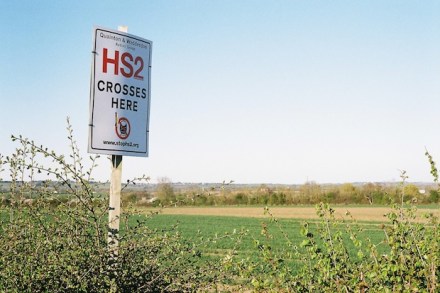
Why is David Cameron still backing High Speed 2? It’s controversial inside his party and divisive in the Tory heartlands. Despite a government task force set up to promote the business case for the new railway, the anti-HS2 brigade are winning the war of the words, as evidenced by Fleet Street's recent attacks on the project. The Mail on Sunday splashed yesterday with leaked analysis on how HS2 is going to result in vast amounts of disruption in beautiful parts of the country. Not exactly a new revelation but the full impact of the construction is only being realised now. With this knowledge, Melissa Kite argues in the Guardian today that Cameron is only pushing ahead with the railway to engage in some good old class warfare.

The View from 22 – fixing the NHS in the wrong way, the whining intern and Ed Miliband’s summer of discontent

From our UK edition

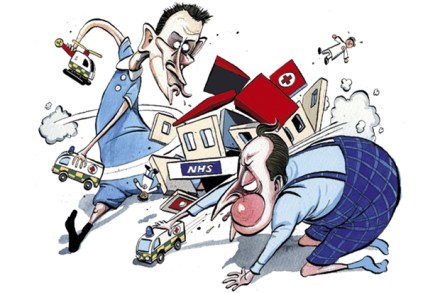
Are David Cameron and Jeremy Hunt going about fixing the NHS in the wrong way? On this week’s View from 22 podcast, former No.10 advisor Sean Worth and director of Reform Andrew Haldenby discuss Dr J Meirion Thomas’s Spectator cover feature on the problems with the Health Secretary's plans to reshape the NHS. Is Dr Thomas right in saying we need more focus on training GPs, and not centralised technological solutions? Will the government's reforms be remembered in 100 years as a landmark moment for the NHS? And do we need more focus on recruiting British doctors, to improve the quality of care? Freddy Gray and the Economist’s Daniel Knowles also debate the plight of the unpaid intern and whether interns should stop moaning about how they are treated.

The Home Office immigration vans – successful and popular with the nation?

From our UK edition

Are those Home Office vans targeting illegal immigrants universally disliked? The outcry from when the vans first took to the streets — notably #racistvan on Twitter — would suggest so but new polling from YouGov shows a disconnect between what those in politics and media think and the rest of the country. Over half of those polled this week support the vans, up eight points when last questioned in July: Two thirds also stated they disagreed that the vans were racist, up five points since the last batch of polling, while only 34 per cent thought they were offensive and stupid. The campaign group Liberty were certainly offended; they were disgruntled enough to commission their own van.

Tories go on the economic attack — Labour would cost Britain £50 billion

From our UK edition

Would Labour destabilise Britain’s fragile economic recovery? The Tories are keen to convince the nation that Labour would, ahead of Miliband's expected offensive on the state of the economy and the cost of living. Positive growth forecasts, increasing construction and export figures  all add to the perception that the economy is on the up; but, as I discussed earlier this week, the mood in the country is still cautious and many people are struggling to make ends meet. Treasury minister Sajid Javid tackles this problem in the Telegraph today.

The View from 22 – learning to switch off, is London the new Venice and Britain’s shale ambitions vs. the EU

From our UK edition

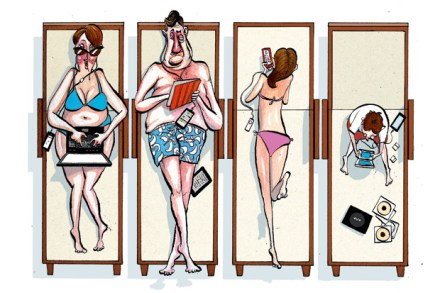
Will holidays ever be truly relaxing again? In this week’s View from 22 podcast, Mary Wakefield and Freddy Gray discuss Clarissa Tan’s magazine cover piece on how technology has ruined our holidays. Has our love of the smartphone and tablet destroyed our ability to 'switch off'? Do we need to control our impulse to use technology? And is this all a bad thing for our brains? Alec Marsh and our cartoon editor Michael Heath wonder if London is becoming the new Venice — bustling with tourists and barren streets of houses. Michael has been a Londoner since 1935. How has the capital changed since then? Have areas like Primrose Hill lost their quirky charm thanks to the deluge of foreign money? Where do authentic Londoners now feel at home?

The King’s School merger will go ahead unchallenged — Labour should be celebrating

From our UK edition

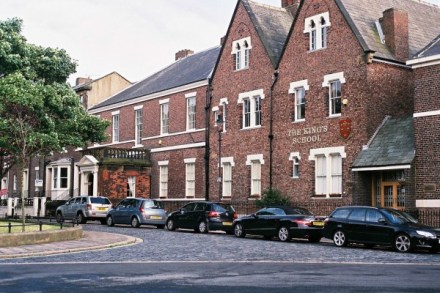
The battle for The King's School is over, and Labour has lost. As reported in today's Newcastle Chronicle, North Tyneside Council met yesterday and voted against pursuing a judicial review of the new Kings Priory Academy in Tynemouth. After threatening to halt the merger of the independent King's School and state Priory Primary School since May, the council has accepted that it is on the wrong side of parents and the local community. The council is not celebrating the arrival of a new state school. The Labour mayor of North Tyneside, Norma Redfearn, said of the decision: 'I have been in education for years and I can’t believe how this process has taken place.

Tories must be wary of Ed Miliband’s cost of living gambit

From our UK edition

Fresh polling (£) from The Times and YouGov today says that the Tories still have much work to do to convince voters that they will directly benefit from an improving national economy. The good news for the Conservatives is that confidence in the economy is up. Nearly a third of those polled think that they will be ‘satisfied’ with the economy this time next year. This is a eleven-point jump from the last time the question was asked in June — and a steady trend upwards over the last year: But only 16 per cent think that their personal finances will get better over the next 12 months. On pay, 58 per cent of those working full-time and part time (more than eight hours a week) believe their pay will go up by less than inflation, or go down.

The View from 22 — Twitter abuse wars, Theresa vs Boris and Egypt’s Arab winter

From our UK edition

Will online abuse and trolling ever be stopped? On this week's View from 22 podcast, Hugo Rifkind discusses his Spectator column on the subject with Helen Lewis of the New Statesman. They ask if trolling has got better or worse? What, if anything, can or should be done about 'morons' who mindlessly attack people? And should politicians — like Stella Creasy — be influencing the moderation policies of social networks like Twitter? James Forsyth and Toby Young discuss the next Tory leadership battle: Theresa May vs. Boris Johnson. James reports that these two top Tories are jostling to succeed David Cameron, even though the PM is expected to be in situ after 2015: Boris isn’t even going to stand in the 2015 election. Who is most likely to be successful?