Sean Martin

There’s more to it than lads’ mags

Michael Gove got a whole lot of coverage – much of it less than enthusiastic – about his proclamations on lads’ mags, such as Nuts and Zoo, yesterday. And that’s escalated today with Recess Monkey’s embarrassing discovery that Gove received funding from a company involved in the production of Nuts TV. It’s a shame that’s been the focus. After all, the rest of his speech was yet another excellent attack on the Government’s centralising education policy, and expertly set out the Cameroonian alternative. I’d recommend you read the whole thing – there’s plenty of good stuff in there. Not that I’m suggesting we feel sorry for Gove in this case.

Who should be the next England cricket captain?

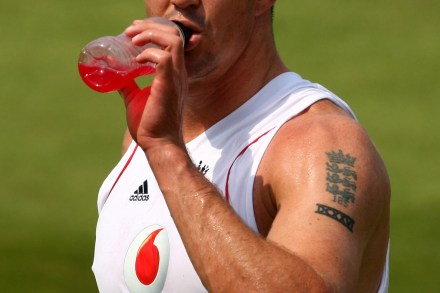
Coffee House seems to have a fair share of cricket fans, so I thought I’d canvass your views on who should be the next England test captain after Michael Vaughan’s resignation yesterday. The ECB are set to announce his successor at 13:00 today, and the smart money seems to be on Kevin Pietersen. KP’s certainly a great player. But, for me, he lacks the tactical nous and composure that, say, an Andrew Strauss captaincy could bring to the team. What do CoffeeHousers think?

Free trade is the protectionism the world needs

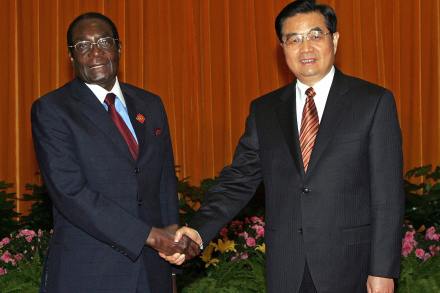
The post-Doha debate is exemplified by two opposing articles in the papers today.  One’s by Johann Hari in the Independent, and the other is the Times leader.  I’d recommend that CoffeeHousers check them out. Both make relevant points from their respective sides. But neither recognises the political benefit of promoting global free trade, especially to Africa. China has been pouring unconditional aid and ‘soft’ loans into Africa over the past few years, including a $2bn loan to help Mugabe prop up the Zimbabwean economy. It promises another $5billion of loans in coming years to increase its trade influence in the continent.

Too Cuil for school?

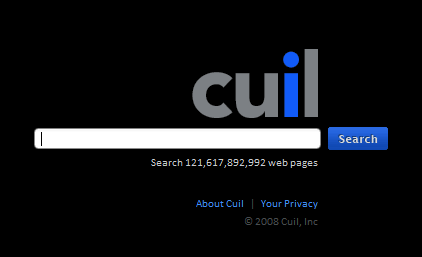
Web giant Google has a new rival this week, as the search engine Cuil was launched on Sunday night. The new service searches 120 billion web pages – 3 times as many as Google – and its central idea is to track down the most relevant content, rather than the most popular. A good thing, surely? But after a couple of days using Cuil, I’m not yet sold on it. Its deep-search methods actually seem to dig up even more irrelevant content. An example: type in “Gordon Brown + recession” into both Google and Cuil. Google’s top 5 includes articles from The Times, Guardian and Telegraph websites.  Cuil, on the other hand, directs you to internet discussion boards wikio.com and inform.com, and a page entirely in Welsh.