Sean Kemp

Even a ‘Never Kissed a Tory’ t-shirt wouldn’t have helped Nick Clegg during PMQs

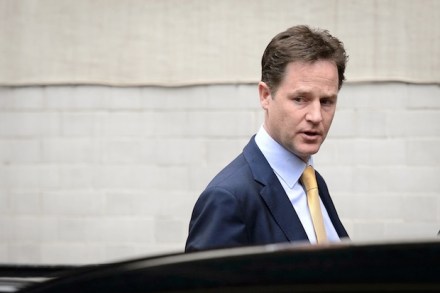
There are only two occasions in my life where I have had lengthy, in-depth debates about where grown adults should sit. One was planning my wedding. The other was PMQs. The reason for the second discussion was raised by Nick Clegg on Newsnight yesterday when he said that sitting mutely next to David Cameron at the weekly session may have been his worst mistake (for clarity I suspect he meant in presentational terms rather than his biggest mistake in government as a whole). There is quite a bit of validity to this point.

If Corbyn won’t employ a spin doctor, he at least needs to hire a competent press officer

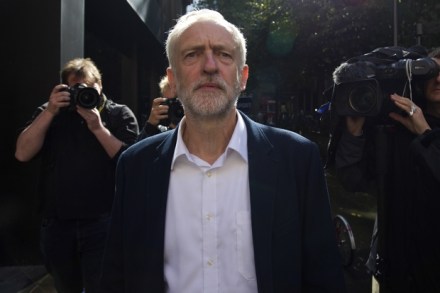
You cannot work for a party’s press operation and not have your fair share of disasters. During my time working for the Liberal Democrats, our party leader pontificated about his colleagues on a plane, made the odd unfortunate sartorial decision (the ‘double-fleece look’ being the example that aroused the most incredulity in the office) and there were gaffes, snubs, rows and all the other unfortunate moments that cause former press officers to shake their heads and write smug blogs saying it was all much smoother in their day. These things happen in politics, and when the media has tasted blood, there is often nothing you can do. But I have never seen such a concentrated period of haplessness as we have at the start of Jeremy Corbyn’s leadership.

If the electorate won’t change its mind on the economy, Labour will have to – if it wants to win

Only a couple of years ago the Labour Party was criticised for its silence over the summer recess, with complaints that Ed Miliband’s team had failed to take advantage of the traditionally quiet period to get some much-needed media coverage. Well, never let it be said that Labour doesn’t learn from its mistakes: this year’s seemingly endless leadership election has turned into a nightmare for the party and a delight for hacks. The cause of all this has been the extraordinary rise of Jeremy Corbyn, and attention is shifting to what might happen if he actually wins this thing. But we already know what will happen if Corbyn wins: it will be a disaster.

A beginner’s guide to pulling off a political stunt

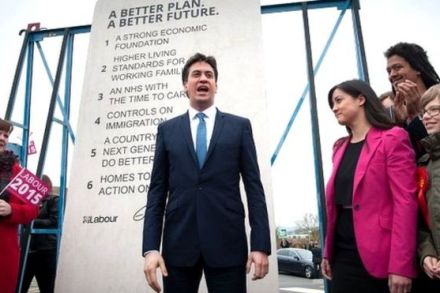
It’s an important discipline when watching elections to remind yourself that political parties are staffed by smart, hardworking people and not - despite occasional impressions to the contrary - complete buffoons. One of those moments came on Sunday, as Ed Miliband stood next to a gaggle of glum-looking supporters in a Hastings car park and unveiled a huge limestone slab with his six election pledges carved onto it. You can always tell when a political stunt has gone wrong; it’s the moment when party spokespeople tell you that ‘at least it has cut through’ or ‘well, it got people talking about it’. The problem is that you don’t want people talking about the actual stunt, you want them to be talking about the issues raised.

Westminster’s obsession with US politics is both embarrassing and foolish

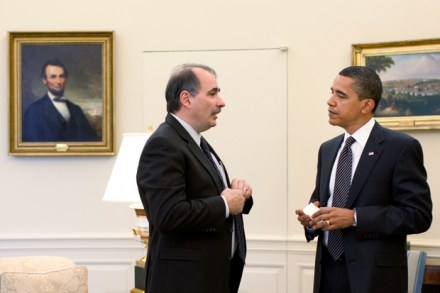
Can you sense it? That thrill in the air? The feeling that suddenly the Labour campaign is just somehow more exciting? Yes, that’s right, David Axelrod is back in the country. Try to control yourselves. The Guardian recently revealed that 26 April was the date that The Axe was landing back in the UK. And not a moment too soon, as some in the Labour party have started to question what Obama’s former adviser has been doing for his reported £300,000 apart from the odd conference call. The idea that the election was a fight between the American and Lynton Crosby - who, whatever you think about him, clearly eats, breathes and sleeps this election - now seems rather quaint.

Hacks are hacked off by how politicians treat them (but they only have themselves to blame)

About six years ago, when the Lib Dems were planning the 2010 election campaign, a lot of time went into the schedule of the daily morning press conference. A venue was booked, breakfast was ordered and a topic was picked for each event that we would wishfully imagine would dominate coverage (‘let’s make April 18th rural transport day!’). In the end those press conferences, like the ones organised by the other parties, didn’t make it beyond the first debate and the realisation that they were, frankly, far more trouble than they were worth. Why spend a huge amount of time and money so that a load of hacks can come along and try to ruin your carefully scheduled plans with their annoying questions and refusal to stick to your script?

Why parties should never trust their own MPs

MPs are often fond of complaining that they are ignored by senior figures in their parties as orders are passed on from central HQ with no explanation or opportunity for backbenchers to discuss strategy. Yesterday's mess over Labour’s internal memo advising MPs on tackling Ukip partly explains why that high-handed approach often happens. Emailing strategy documents to MPs is like leaving a toddler in a freshly painted room with a set of marker pens and expecting to come back to find everything in pristine condition. There is a reason why such papers should be numbered, handed out in a locked room for discussion and collected at the end, if you don’t do that they will end up in a national paper (and even those precautions may not be enough).

The Lib Dems can’t win on reforming the ‘bedroom tax’

In 2010, shortly after going into coalition, Lib Dem MPs and peers were addressed by various liberal politicians keen to share their experiences of being the smallest party in a coalition. It was a fascinating, if mildly depressing occasion, with the advice ranging from ‘it’s hell’ to ‘no really, it’s absolute hell.’ The most striking quote came from the Dutch politician Lousewies van der Laan who warned us not to act like ‘the mayor in wartime’: a reference to people who became mayors of towns occupied by the Nazis, and then justified the decision by admitting that things were horrific but would be mildly less dreadful due to their decision to take some power.