Sam Ashworth-Hayes

Sam Ashworth-Hayes

Sam Ashworth-Hayes is a former director of studies at the Henry Jackson Society.

How the Isle of Man can save the Tory party

From our UK edition

If you ask a typical member of the Conservative party what they want Britain to look like, you’ll get the usual list: low taxes, high growth, strong borders, low crime, sensible regulation, green countryside. If you ask a Conservative MP how Britain might achieve these things, you’ll get a long list of excuses: it simply can’t be done, it’s a bit more complicated than that, the budget isn’t there. And yet we know for a fact that these things are possible because we can see them elsewhere. Our neighbours are wealthier than us, our politicians promise to copy Australia’s immigration system, and Singapore and Japan show that crime is not an immutable fact of life.

How to save the NHS from itself

From our UK edition

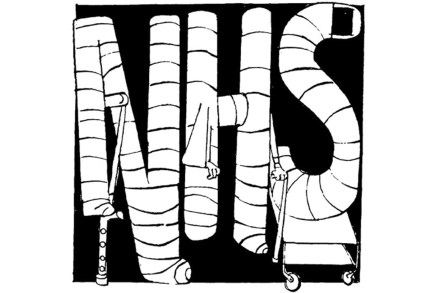
Britain’s ageing health infrastructure comes close to breaking point every winter, but this year something is going to give way. On top of the usual litany of complaints about funding and increasing demand on the NHS from an older population, we can add covid backlogs, waiting times stretching into multiples of nominal targets – and now even the workforce downing tools and walking out. As usual, the government is going to try to keep things functioning with short-term sticking plasters. There will probably be more millions shovelled onto the ever-burning furnace of the NHS budget, with little to show in terms of patient outcomes. There will, at some point, be a resolution to the issue of staff pay. And then next year, there will be a new crisis.

In defence of Scrooge

From our UK edition

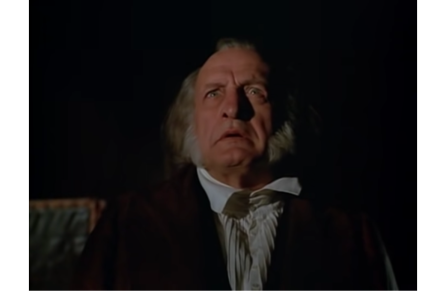
There is no Christmas story like A Christmas Carol, and few seasonal characters as iconic as Ebenezer Scrooge; the 'clutching, covetous old sinner' who finds redemption in the abandonment of sound business sense and the joy of Christmas cheer. Scrooge's name has become a byword for miserly conduct, with Jeremy Hunt the latest to claim the mantle as he raised taxes last month. But this depiction of Scrooge as Mr Bah Humbug is deeply unfair. He deserves better. For economists like me, there is much to admire about Scrooge the moneylender, who did rather more for human welfare than the late-in-the-day Scrooge filled with the spirit of Christmas.

The Met Office isn’t to blame for possible blackouts

From our UK edition

In the hierarchy of excuses for tipping Britain into a month of blackouts, ‘the Met Office didn’t say winter would be cold’ must surely rank among the most abject possible. And yet this seems to be the story the government is running with; faced with the possibility of having to implement rolling power cuts, Conservatives are briefing that forecasters working from home has led to shoddy predictions, with the wise cabinet ministers accordingly caught out by the arrival of ice and snow. In December. In Britain. To blame any of this on Met Office staff working from home this is beyond ludicrous Britain burned through a fifth of its gas storage in the past week.

Canada’s assisted dying catastrophe is a warning to Britain

From our UK edition

In 1936, King George V lay on his deathbed. As his final hours drew near, the royal physician administered two injections of morphine and cocaine to hasten his passing, ensuring that his death would be announced in the morning papers, and not the ‘less appropriate evening journals’. The King’s death was quick, painless, and utterly illegal; British law continues to view assisting suicide in almost any form as a criminal act. With the news this week that the House of Commons is launching an inquiry into assisted dying, this may soon change. For now, what was fit for the King remains, in the eye of the law, unfit for the common man. And thank God for that. Because before any change is made, lawmakers should seriously consider the catastrophe unfolding in Canada.

The Tories are taking from the young to pay for the old

From our UK edition

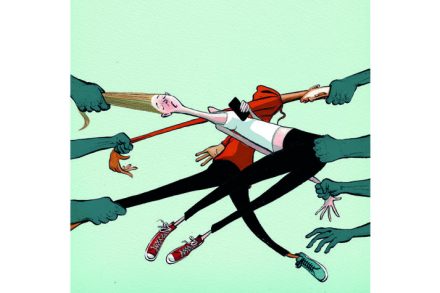
To understand the Conservative party’s approach to government, it’s useful to think of there being two Britains. This is something British people love to do; we divide the country into North and South, rich and poor, London and not. The division that matters for the Conservatives, however, is a little different. It’s not a matter of economics or geography, but age. It’s the divide between Old Britain and Young Britain. Old Britain, with the aid of the Conservative party, is very slowly throttling Young Britain The Conservative electoral strategy is simple and straightforward: it will do whatever it needs to win the votes of Old Britain, and it will do so at the cost of Young Britain.

Could regulation have prevented the FTX crypto crash?

From our UK edition

What exactly happened at FTX and its sister company Alameda Research is unclear, and will be for some time. What we do know is that what’s currently unfolding is a sort of economic Jurassic Park; we are being given a brief glimpse of financial life in the 18th century, before centuries of bitter experience coalesced into the financial regulations we love to hate. It’s a common joke that cryptocurrency is gradually learning why all the boring rules and regulations of the traditional financial world exist. It’s also entirely true. The earliest explanation for the sudden crash of FTX was very simple: the exchange had become something like a bank, taking in deposits, and lending them out.

Politicians haven’t been honest about immigration to Britain

From our UK edition

What’s the most important story in Britain over the last 25 years? The financial crisis? Brexit? These events both changed our country dramatically. But neither has had such a big impact on the make-up of Britain than immigration. In 1991, Britain’s foreign-born residents made up 6.7 per cent of the population. In 2021, one in six people (16.8 per cent) living in England and Wales were born outside the UK, according to Census data released yesterday by the Office for National Statistics. The pace of change is both staggering and accelerating. Some four in ten of that foreign-born population arrived over the last decade. To put this into context, from 1981 to 1990, total net migration of non-UK citizens totalled 445,000.

Suella Braverman’s critics ignore an uncomfortable truth

From our UK edition

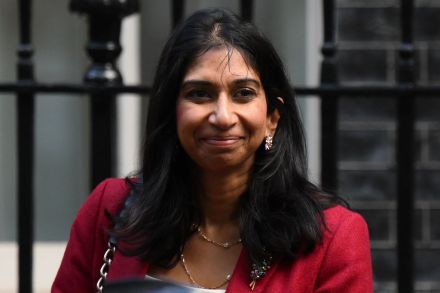
Suella Braverman is in the firing line. But when she took to her feet in the Commons yesterday, she showed exactly why there is so much pressure on Rishi Sunak to get rid of her: Braverman actually wants to reduce illegal immigration. The Home Secretary's critics have condemned her for using the word 'invasion'. 'No responsible person should ever use language that risks inciting hostility and hate,' says Amnesty International. The problem is that Braverman’s statement is essentially correct. When she asks MPs to 'stop pretending they are all refugees in distress, the whole country knows that is not true', she is not engaging in 'far-right and inflammatory rhetoric', as one SNP MP claimed. She is highlighting the failures of twenty years and counting of British government policy.

Elon Musk’s Twitter takeover isn’t so bad

From our UK edition

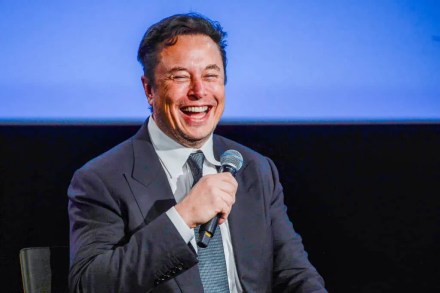
It’s finally happened. After months of legal wrangling, Twitter has fallen. All hail King Elon; the 'bird is freed'. The executives running the show have been defenestrated, including CEO Parag Agrawal and head of safety Vijaya Gadda. Around the virtual watering hole, skittish packs of activists watch nervously as the ground shakes; Donald Trump, the biggest of the Twitter big beasts is set to make his return. And isn’t the wailing glorious? Well yes, but. Basing your politics around things your opponents dislike is a trap that it’s easy to fall into. Conservatism is not a negative image of progressivism, but an alternative philosophical perspective with its own positive vision of what the world should look like.

The Tories have no good options

From our UK edition

As the Conservative party holds its third leadership contest in four years, Britain is not experiencing déjà vu; we’re just stuck on square one. The three frontrunners consist of the previous contest’s runners-up, Rishi Sunak, Penny Mordaunt and Boris Johnson, the man they previously deposed. If insanity is doing the same thing over and over again and expecting a different result, the Conservative party lost its marbles a long way back. These candidates have already been tested and found wanting. Penny Mordaunt is still a Labour politician in blue clothing, a living representative of your HR department’s moral values and political purpose while still willing to flip between trendy views and crude jokes on trans issues in order to cadge a few extra votes.

The decomposing of the Conservative mind

From our UK edition

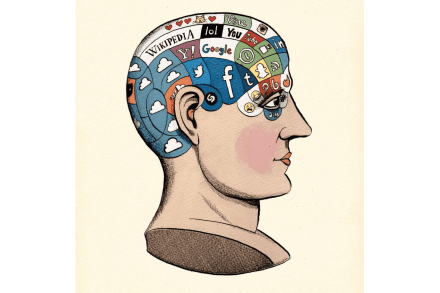
The Chicxulub meteor did for the dinosaurs; Netflix saw off Blockbuster. When the time comes to write the history of the Conservative party, the period from 2016 to today might be termed the ‘Whatsappocalypse’. If the Online Safety Bill genuinely wants to make Britain a better place to live, it should start by banning MPs from using social media. Politics is not meant to be conducted over each of the day’s 24 hours, with every minor event demanding an instant response. Everyone reading this piece can think of a moment where their snap response to something – their gut instinct, or initial emotional flare-up – differed from what they actually did in the end, once they’d had time to calm down and think it over.

The triple lock will condemn Britain

From our UK edition

Liz Truss is almost exactly the leader the country is desperate for. Britain needs someone to take painful decisions and even alienate voters in order to get growth going. Given that the next election is probably lost anyway, there is a case to be made that Truss should serve as the sin-eater for Conservative policy, implementing necessary but unpopular actions before she’s deposed. Last night rumour had it that she was planning to break the triple lock on pensions, instead bringing in a below-inflation rise. Perhaps this was to be one of those unpopular but necessary policy decisions? Not a bit of it. At PMQs, she told the Commons: ‘I've been clear, we are protecting the triple lock on pensions.

Stop blaming Tory members

From our UK edition

With Jeremy Hunt installed as the representative Sensible and Penny Mordaunt answering questions in the House, Liz Truss has been reduced to politely cheering on the people actually in charge. Those in Westminster seem to think that her chances of leading the Conservatives into the next election are comparable to the chances of discovering Lord Lucan and Elvis in a service station off the M25. Truss will be replaced, many expect, once the party can work out who to appoint. In the meantime, with fox hunting off the menu, the Conservative party is left with little choice but to while away the winter with its second favourite bloodsport: leadership plots and recriminations.

Who would vote for the Conservatives now?

From our UK edition

As the Labour party’s lead reaches 27 per cent or more, it would be easy to place the entirety of the blame on Liz Truss. That doesn’t mean it would be fair; the effort to alienate all but the most hardline tribal Conservative supporters has been a joint effort across 12 years and multiple prime ministers. Markets hated the mini-Budget; cutting taxes while making massive spending pledges to subsidise energy demand during a critical shortage was not a winning formula. Apparently, blackouts are not looked on kindly; who could have guessed? Voters, meanwhile, hated it because it offered more to those who are better off.

The real damage caused by eco-protestors

From our UK edition

A pair of Just Stop Oil activists walked into the National Gallery this morning and threw tomato soup over Van Gogh's Sunflowers. 'What is worth more? Art or life?', one of the demonstrators yelled as she glued herself to the wall. This isn't the first time a work of art has been targeted by environmentalists. In July, eco-protesters glued themselves to the frame of Constable’s painting The Hay Wain and covered it with an altered version of their own, doing minor damage in the process. A few days before, eco-protesters rushed onto the track at Silverstone. Eco-protesters also glued themselves to a Turner painting in Manchester. In June, eco-protesters…  you get the idea.

Liz Truss’s immigration conundrum

From our UK edition

The Conservatives – in office since 2010 – are now into their fourth successive manifesto pledge to bring down immigration, which remains well over 200,000 annually. Naturally, Liz Truss is said to be weighing up increasing it further. Some of those in the Treasury believe that visa liberalisation is the quickest way to growth. From the Treasury’s perspective, and that of the new Chancellor Jeremy Hunt, immigrants represent an excellent deal: you don’t have to pay for their education or childhood, instead simply importing units of homogeneous labour fully formed. What’s not to like? Open the borders and watch the line go up! Home Secretary Suella Braverman disagrees.

The Woman King’s flawed history lesson

From our UK edition

As a general rule, it’s worth remembering that Hollywood is in the business of mythologising, rather than retelling history. The Woman King, which was released in cinemas this week, represents the latest effort at constructing a past more in tune with 21st century progressive political narratives. In the film, King Gezo of Dahomey and his loyal Amazons – an elite band of women warriors – struggle to free his kingdom and his people from the evils of the slave trade, the dominance of the Oyo empire, and the creeping tendrils of European colonisation. It’s a stirring tale of African resistance and female empowerment. It’s also deeply flawed. King Gezo, Dahomey, and the Amazons really existed, and did fight a war with the Oyo.

What do the Tories have to show from their time in power?

From our UK edition

After 12 years in Downing Street, four prime ministers (so far), two monarchs, and one mini-budget, the public are starting to drop hints that it’s time for Tories to head home. As Conservative conference kicks off, it’s as good a time as any to take stock: what do the Tories have to show for their many years in office? The truth is that the party's legacy amounts to little, but it has done one thing well: keeping Labour out of power. This is hardly something to boast about. The 2010 Conservative manifesto opened with the declaration that 'our economy is overwhelmed by debt'. The public finances would dominate David Cameron’s first term in office, but weren’t the only item on the agenda. Cameron claimed his priorities were spelled out 'in three letters: NHS'.

Is Europe’s attitude to asylum seekers changing?

From our UK edition

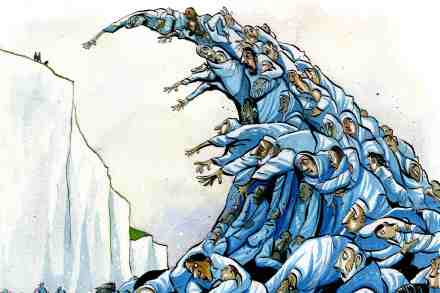
The EU spent last November reinforcing its borders as Vladimir Putin directed a wave of refugees through Belarus towards the bloc. This winter, politicians in Brussels are once again preparing for another wave of asylum seekers caused by Putin – Russian men fleeing conscription. Baltic countries are taking a hard line. Estonian prime minister Kaja Kallas told CNN that ‘every citizen is responsible for their country’s deeds… so we are not giving any asylum.. For Russian men’, while interior minister Lauri Laanemets said asylum ‘would be fundamentally contradictory to the aim of all our sanctions so far, which is the collective responsibility of Russian citizens’.