Peter Hoskin

The next chapter of the horror story

From our UK edition

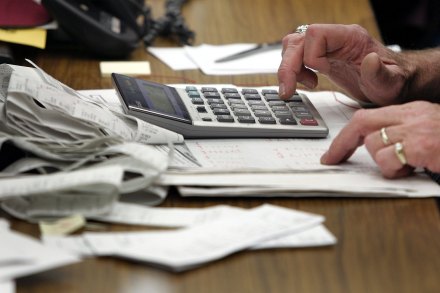
James has already highlighted the latest batch of expenses revelations - which include Barbara Follett and her private security patrols; Keith Vaz and a handful of refurbished properties; and Margaret Moran and a £22,500 dry rot treatment.  As you'd expect, it's just the thing to make your blood boil on a Saturday morning.  Beyond that, three things strike me: 1) Despite the outrageousness of the original claims, the "begging letters" sent by MPs to Commons authorities are perhaps more damning.  In many cases, they reveal an arrogance and pomp which contrasts grimly with the sactimonious TV appearances MPs are putting in at the moment.  The Telegraph are running a best-of selection here.

Slow-motion car crash

From our UK edition

They just don't get it, do they?  Listening to Harriet Harman being interviewed on the Today Programme just now, and she's sticking to the kind of response pioneered by Sir Stuart Bell last night.  The emphasis, as this quote shows, was on evasion and blame-shifting: "My judgement is this: our system does not have the corruption that obtains in other countries.  Most MPs enter politics for public service, with obvious exception of MPs like Derek Conway." Hm.  I expect the court of public opinion will feel differently.

A Parliamentary horror story

From our UK edition

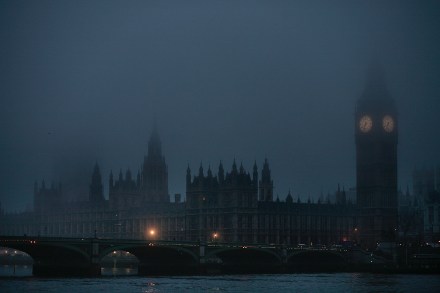
So far as the Government is concerned, there's no good time for these expense details to be released.  But now; now is just about the worst time they could have feared.  Just as the Smeargate story is losing most of its urgency -  with the resignation of Derek Draper from LabourList today - here's another scandal which will rock politics to its core.  And, as Martin suggests, Brown & Co. may bear the brunt of it all.  The main revelations so far involve our Dear Leader and members of his Cabinet, and they'll naturally be seen as the administration which has presided over this moral debasement of Parliament.  With the local elections under a month away, what promised to be a heavy, heavy defeat for Labour could now be an annhilation.

Shift work

From our UK edition

Ben Brogan charts the growing debate about the future of the Labour party in his Telegraph column today.  I'd suggest you read the whole thing, but it's this passage which stood out to me: "Plans are afoot for a gathering in the coming weeks that will bring together Cabinet ministers, Labour grandees, policy thinkers, and – crucially – Liberal Democrats to flesh out a common ground on how to decentralise the state. The idea is nothing short of presenting Mr Brown with a liberal manifesto for the next election. Funding has been secured and a suitable venue is being sought before the invitations go out. To outsiders this must all seem a preposterous game of deckchair arranging on the Titanic.

Milburn Watch

From our UK edition

So what's going on?  As Matt blogged last night, and details in his cover piece today, Labour leadership plots are certainly a-brewing; most probably involving Charles Clarke.  While Dizzy has unearthed signs that the 2020 Vision project -  founded by Clarke and Alan Milburn back in the pre-Gordo era to, ahem, offer "direction" to the Labour party - may not be dead after all.  And now, stage right, we have Milburn advising against a wholesale return to the "policies of state intervention" in today's Independent: "Meeting the challenges of the modern world calls for a different sort of state: one that empowers, not controls.

Is this Brown’s Royal Mail escape route?

From our UK edition

The politics of the Government's plan for Royal Mail are becoming more and more confused.  The latest signs from Downing Street are that they may make one or two concessions to the backbench rebels, but that they'll stick with the main thrust of the part-privatisation package.  Yet Nick Robinson points out another option that may present itself to Brown, as potential partners look warily on at the brouhaha in Westminster: "I have been told that both political and economic factors may delay the implementation of part-privatisation. TNT, the company most likely to be a partner for the Royal Mail, has recently announced a sharp drop in its own profits, a redundancy programme and wage cuts in the Netherlands.

PMQs live blog | 6 May 2009

From our UK edition

Live coverage from 1200. 1201: And we're off.  The DUP's Gregory Campbell asks what further assistance Brown can offer the devlved regions to help them during the recession.  Brown: "We will continue to offer real help now". 1203: Cameron kicks off: "A series of U-turns...".  Then asks whether these are "signs" that the "government is in terminally in decline".  Brown responds angrily, saying that Cameron doesn't ask questions about the economy and reduces things to "personality". 1205: Woah, this has become angry quickly.  Cameron says that Brown doesn't realise it is about him: "Your failure to reform public services; your failure to handle the deficit..."  Brown reponds that the worst thing to do would be to "follow the Tories".

Balls to be sent Home?

From our UK edition

It's reshuffle rumour time, I'm afraid, with a few of today's papers carrying stories about whom Brown might ditch and promote in the aftermath of the local elections.  Much of it centres on Jacqui Smith, who appears to be the favourite to get the chop.  And there's also some chat about Hazel Blears getting demoted in the wake of her YouTube smackdown of our Dear Leader. Myself, I can't see Blears getting moved - Brown could well do without alienating her even further, especially as doing so would probably infuriate plenty of others in the Labour Party.  But sacking Smith would be a far less politically dangerous move.  The Home Secretary is far from popular with either the public or, so it's said, her colleagues. But who would she be replaced with?

Humanising the numbers

From our UK edition

Gordon Brown loves hiding behind numbers.  He does it almost every PMQs - when he reels off the usual tractor production statistics - and he has done it in every Budget he's been involved in, either as Chancellor or Prime Minister.  My guess is that he hopes to cover up not only how bad things are, but also the human dimension of the fiscal and economic crisis.  £billions, £trillions of debt, what does it matter?  So long as he can continue to talk abstractly about "investing in growth". Of course, revealing the debt crisis for what it is - an aberration which will burden the British public for decades - is an important cause.

New media, same old message

From our UK edition

Brace yourselves.  Gordon Brown has hit YouTube with another video message for his adoring public (watch it after the jump).  To be honest, it's not a bad as his last comedy effort - he's stepped out of the bunker, for a start, and there's less rictus grinning - but it's hardly going to set the Internet alight: The most striking thing is how Brown is using the new media to relay the same message we've heard a thousand times before.  He kicks off with the line, "We've got to take action to get out of this downturn, and you can't cut your way out - you've got to invest your way out.

Death by mail

From our UK edition

Oh, how difficult life is for a Prime Minister who's lost pretty much all his political capital.  Almost every major Commons vote becomes a potential landmine, threatening to blow a premiership apart.  And so it is with the Government's plans for Royal Mail.  As today's Times reports: "David Cameron holds Gordon Brown’s political life in his hands after the Prime Minister’s decision to risk a Commons defeat over the Royal Mail sell-off next month, senior government figures believe. Downing Street insisted last night that Mr Brown was determined to press ahead, despite weekend reports that he was preparing to shelve reforms championed by Lord Mandelson, the Business Secretary.

The Mandy factor | 5 May 2009

From our UK edition

There's plenty of noteworthy stuff in Rachel Sylvester's column this morning - Hazel Blears getting the "hairdryer treatment" from Gordon Brown; Downing Street overruling Cabinet ministers who wanted to "resolve" the Gurkha issue; and confirmation that a "Blairite" could stand as a stalking horse candidate after the local elections - but nothing more so than this passage: "The one to watch is Peter Mandelson. By bringing his former enemy back into the Cabinet last year Mr Brown locked in the modernisers and ensured his own survival. But if the Business Secretary were to turn on the Prime Minister (either in private or in public) no one could be more deadly. So far, there is no sign of that.

Is Brown preparing a purge of the Labour backbenches?

From our UK edition

Hm.  Whom to believe?  In one corner, we have a source telling the Sunday Mail that the chief whip and Downing Street enforcer, Nick Brown, has drawn up a hit-list of "lazy" (aka rebellious) Labour MPs, who could well be whacked (aka deselected) ahead of the next election.  Allegedly on that list are eight of the Gurkha rebels, including Diane Abbot, Kate Hoey and Bob Marshall-Andrews.  In the other corner, there's a "spokesman for Nick Brown," who denies that any such list exists. Given the way Gordon Brown's gang of bruisers and nutcases operates, the hit-list story doesn't sound implausible.  But, either way, both sides should take it as a warning.

More Lib-Lab fun and games

From our UK edition

Nick Clegg does seem to be keeping busy.  After his excellent work during the Gurkha vote,  which incorporated the first outing of the Clegg-Cameron coalition, today's Telegraph contains this revelation: "Nick Clegg, the Lib Dem leader, has privately authorised secret approaches to unhappy Blairites, trying to persuade them to join the Lib Dems instead of forming their own breakaway party. One Lib Dem said: 'There is nothing imminent or even concrete, but there have been conversations with people on what you might call the moderate side of the Labour Party. They look at the likely outcome of the election and worry about the direction the party could take.' Another Lib Dem source said at least six Labour MPs had indicated that they could be prepared to leave the party.

Cameron seizes the “long-term” rhetoric

From our UK edition

One of the opportunities that the resurgent Labour infighting presents the Tories is to portray the Government as too caught up in dirty politics to deal properly with the economic crisis.  It's a message that keys directly into the "headless chicken" charge, and it's boosted by stories like this, via today's Indpendent: "The Government's £200m mortgage rescue scheme has helped just one household stave off repossession in its first three months of operation, official figures have revealed. The slow progress in rolling out the measure, which was launched in January amid claims it would help 6,000 families, comes amid criticisms that the Government has failed to follow through on other plans to help people in financial trouble.

Authority? What authority?

From our UK edition

Brown's dwindling authority has become the issue du jour.  Despite what Downing Street is saying, the matter isn't even up for question.  After the bizarre YouTube expenses fiasco, and the defeat over Gurkha settlement rights, Brown has pretty much lost any meaningful control over his party.  And, as if to ram the point home, there's a series of remarkable quotes from "two senior Cabinet ministers" in today's Telegraph.  One raises the spectre of the Major government: “We can still turn this round, but Gordon is not listening. He is lashing out and reacting to headlines. It’s all so reminiscent of the last months of John Major.

Brown’s position looks more and more unstable

From our UK edition

Over at Comment Central, the Times pair of Danny Finkelstein and Philip Collins - who, for my money, have written perhaps the two finest comment pieces for a UK newspaper so far this year (Finkelstein on Israel; Collins on Brown's political positioning) - have published their exchange on whether Brown will go before the next election.  I'd recommend all CoffeeHousers read it. Finkelstein summarises the main reasons why it now makes sense for Labour to topple their leader: "Now I feel differently [from last autumn]. First it is hard to think that any [other potential candidate] would be inferior or do worse politically. Second, the scramble would be undignified but Mr Brown is looking just as undignified.

Viewing suggestions for government

From our UK edition

Ben Brogan writes a very useful article in today's Telegraph, outlining the preparations that the Tories are making for government.  He details some of the meetings between shadow ministers and top civil servants; the advice that Michael Heseltine has given the Cameroons ("don't bother with special advisers"); and William Hague's directives for the Foreign Office.  But it's this passage that jumped out at me: "Alongside the formal talks, there have been seminars, breakfasts and long sessions with former mandarins and ministers who have all brought their expertise to bear. There are even reading and viewing lists, which include Gerald Kaufman's How to be a Minister and Alastair Campbell's diaries, as well as Yes, Minister and The Thick of It.

How bad could this get?

From our UK edition

There's little more to add to this alarming snippet from the Daily Mail, except to say that the publication of MPs' expense receipts looks set to become the most damaging scandal of Gordon Brown's premiership: "Three Labour MPs are said to be terrified that the release of their expenses claims will expose them as adulterers and financial cheats. Four ministers are also understood to have warned party whips they might have to resign for abusing the system, when MPs' receipts are published before the summer recess in July. The three unnamed backbenchers are said to have been placed on 'suicide watch' by Labour whips, who fear they might break down when the details of their excesses come out. Two are understood to have had extra-marital affairs with other members of Parliament.

Government defeated in Gurkha vote

From our UK edition

Good news.  The Lib Dem motion to extend equal settlement rights to all Gurkhas has just been passed in the Commons, by 267 to 246 votes.  Nick Clegg, too often a figure of fun in Westminster, deserves a great deal of credit over this. By contrast, Gordon Brown positioned his government on the wrong side of the issue, and he's been rewarded with a not insignificant rebellion by Labour MPs.  So, more bad headlines for the PM tomorrow and a futher erosion of his authority.  He really is just lurching from one calamity to another.