Pen Vogler

Pen Vogler is the author of Scoff: A History of Food and Class in Britain

A crisp and refreshing account of the apple

From our US edition

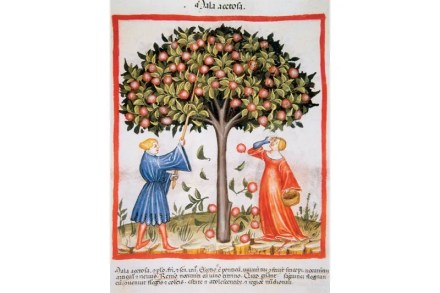
In Food for Life, Tim Spector’s book on the science of eating, the author gives the chemical makeup of a mystery food, listing more than 30 scary-sounding E numbers, sugars, acids and chemicals, before revealing that it is an… apple. Sally Coulthard’s book, The Apple, shows that it’s the apple’s complexity as well as its familiarity, that makes it the ideal punchline for Spector, and, for Coulthard, a perfect vehicle to carry the history of how we grow, trade, cook and eat together and take responsibility for each other and the environment (or not).
apple

Richard Madeley, Cindy Yu, Lara Prendergast, Pen Vogler and James Delingpole

30 min listen

On this week’s Spectator Out Loud: Richard Madeley reads his diary for the week (1:01); Cindy Yu explores the growing trend for all things nostalgic in China (6:00); Lara Prendergast declares that bankers are hot again (11:26); Pen Vogler reviews Sally Coulthard’s book The Apple (17:18); and, James Delingpole argues that Joe Rogan is ‘as edgy as Banksy’ (23:24).  Presented by Patrick Gibbons.

The juicy history of the apple

In Food for Life, Tim Spector’s book on the science of eating, the author gives the chemical makeup of a mystery food, listing more than 30 scary-sounding E numbers, sugars, acids and chemicals, before revealing that it is an… apple. Sally Coulthard’s book shows that it’s the apple’s complexity as well as its familiarity, that makes it the ideal punchline for Spector, and, for Coulthard, a perfect vehicle to carry the history of how we grow, trade, cook and eat together and take responsibility for each other and the environment (or not).
Pen Vogler: Stuffed

45 min listen

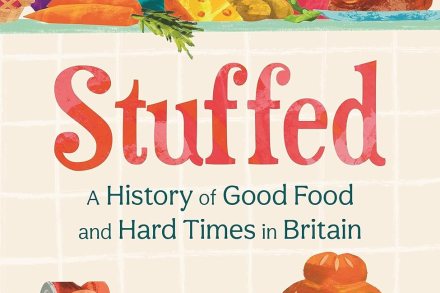
My guest in this week's Book Club podcast is the food historian Pen Vogler, author of the new Stuffed: A History of Good Food and Hard Times in Britain. Pen tells me how crises have affected British food culture from the age of enclosures onwards, how rows over free school meals are nothing new, and why the Christmas pudding tells the story of Empire.

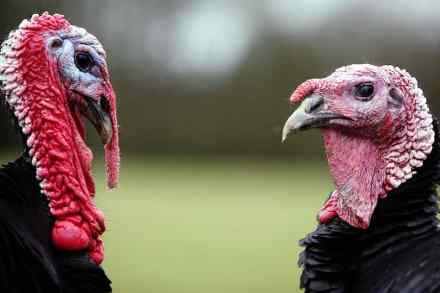
Cold turkey: is a Christmas tradition coming to an end?

When I recently asked younger work friends about the prospect of turkey for Christmas dinner, it was greeted with grim fatalism. Nobody said that they liked it (though the accompaniments and the leftovers got some enthusiastic thumbs up). One cosmopolitan European colleague even said she felt like ‘the Grinch who stole Christmas’ after suggesting to her horrified British in-laws that they have goose instead. For how much longer will the tradition of eating turkey last? A sense of heritage keeps it, for now, on the Christmas table, particularly in rural Britain. But our cities are younger, more multicultural, and it isn’t uncommon today for some families to have turkey alongside dishes from other national traditions, or eschew it altogether.