Om Malik

How Elon Musk turned Twitter into the post-TV Fox News

From our US edition

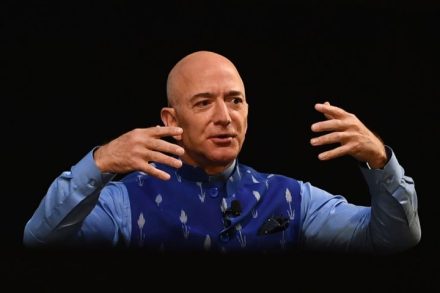
Elon Musk has decided it's too much work for him to be the chief executive of Twitter, a fraying social network, in addition to running Tesla and SpaceX and a potpourri of other startups. He recently named Linda Yaccarino, an NBC ad executive, as the new CEO so that she could focus on business operations and he could focus on product design and new technologies. As an employee of Musk's, Yaccarino has an impossible mission — to stem the bleeding, appease the advertisers, and, of course, keep her new boss happy. Good luck to her, I say, for Twitter's current fortunes are going in only one direction — south. When Musk acquired Twitter, he paid $44 billion for a company that no one else wanted nearly as much. Since then, its value has fallen to almost $20 billion.

Why SVB was more than just a Big Tech bank

From our US edition

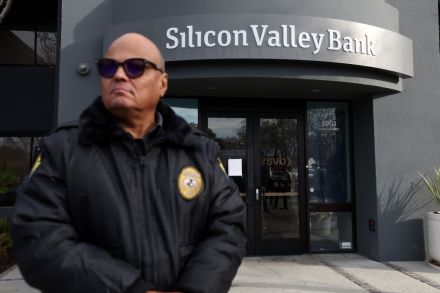
Silicon Valley has finally started to breathe easy, though not too easy. It has been a tense few days for everyone in the technology industry. Startup founders, their employees, their investors, lawyers, accountants, doctors, and countless others who make a living from the innovation ecosystem have been suffering from collective apprehension. The culprit was the seemingly sudden failure of Silicon Valley Bank, or SVB, as it was known around Silicon Valley. SVB, which started as a small regional bank in 1983, transformed itself into a technology-focused bank in the early Nineties. Its rise reflected the growing fortunes of the technology industry at large.

The era of endless prosperity in tech is over

'I don’t think you want a management structure that’s just managers managing managers, managing managers, managing managers, managing the people who are doing the work,' Meta CEO Mark Zuckerberg recently said at a company all-hands. He might not have been talking about his company, but you could apply his words to the entire technology ecosystem, which after nearly a decade of unprecedented boom is afflicted by the disease of wealth. It’s grown fat, rich and bloated. During the pandemic, the total headcount for Silicon Valley was on the way up.

Meet Sam Bankman-Fried’s crypto-enablers

From our US edition

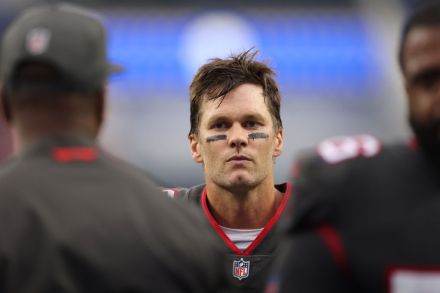
Things aren’t going well for Tom Brady. His team, the Tampa Bay Buccaneers, has a losing record. He is getting divorced, and FTX, the crypto exchange he was touting a year ago — and in which he was invested — has gone bust. He isn’t the only sports star with egg on his face after the collapse of FTX. Stephen Curry, Shohei Ohtani and Naomi Osaka, to name just three, also got greedy and believed the vision of Sam Bankman-Fried. Overnight, Sam Bankman-Fried has gone from crypto wunderkind to infamous huckster. The celebrities, influencers and traditional media outlets that helped make him a star shouldn’t be allowed to absolve themselves as quickly.

Tom Brady Sam Bankman-Fried

The fall of Sam Bankman-Fried is crypto’s Enron moment

From our US edition

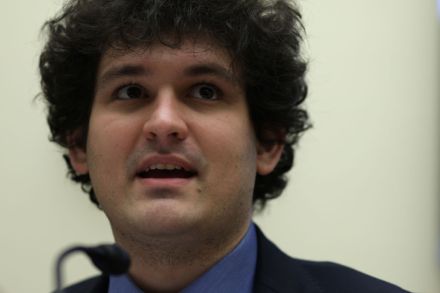
In recent weeks, the world’s richest man and his flailing attempts to figure out what to do with Twitter have dominated the news cycle. However, his unhinged management-by-tweets reality show are nothing compared to an almighty tussle between two crypto-bros. Internet magic money (aka crypto) billionaire Sam Bankman-Fried, better known as SBF, is the man behind FTX, a crypto exchange. He seems to have angered fellow magic money billionaire and fremeny, Changpeng Zhao, better known as CZ and CEO of the rival exchange Binance. It might have to do with FTX cozying up to regulators to get the regulations beneficial to the FTX but not its rivals.

Sam Bankman-Fried

Why we should stop worrying and learn to love AI

From our US edition

Whether on British television news panels or late-night TV in America, it is hard to get away from talk about artificial intelligence (AI). Even the president of the United States has weighed in on AI, introducing an "AI Bill of Rights." The popular thing is to amplify the current media narrative — that AI will render millions jobless. It will eventually become more powerful than humans and destroy its creators. Just Google “AI doomsday” and then run and hide under the covers. I will be the first to admit that all technology has a dark side. Email came with spam and scammers; mobile phones came with robocalls and endless tracking by companies like Facebook. Artificial intelligence, too, will be used for nefarious purposes.

What the Figma acquisition means for Adobe’s future

From our US edition

After three decades of watching Silicon Valley, I have concluded that a company’s slogan is the opposite of its intent. For example, Google used to say, "Don’t Be Evil." Or Facebook’s mission statements — well, they keep changing. Facebook wanted to “make the world more open and connected.” What they really meant was a “closed walled garden.” Adobe wants you to believe they’re a cloud company that sells software on demand. They say it in their every earnings release. Adobe sells desktop software grafted on the “cloud” to turn the old desktop software model that allows you to get paid once into a subscription business. It has turned them into a very profitable company — worth almost $175 billion in market capitalization. It is not a cloud-native company.

The golden noose around Apple’s neck

From our US edition

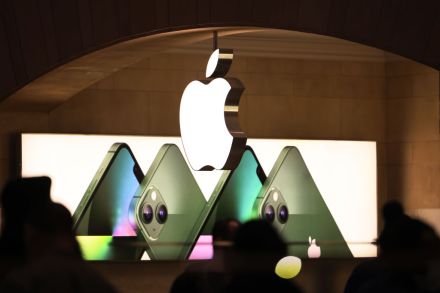
"Innovation comes from saying no to 1,000 things to make sure we don't get on the wrong track or try to do too much,” said the late Steve Jobs. “We're always thinking about new markets we could enter, but it's only by saying no that you can concentrate on the things that are really important." These days, Team Apple is all about finding new markets, no matter how removed they are from the company's core focus. Jobs once flirted with an advertising-supported operating system but ultimately gave it a pass. Now, in a strange twist, Apple is doing just that — selling ads in its services that are part of its platform. It wants to become a pooh-bah of digital advertising (it had tried before in 2010 with iAds, an effort that fizzled out).