Olivia Dakeyne

How long until novels are published with video inserts?

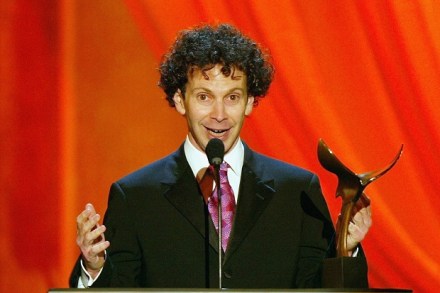
In Charlie Kauffman’s Bafta lecture (a startlingly honest reflection on film writing, and well worth a listen), the screenwriter, producer and director stresses that it is of the utmost importance, when embarking on a screenplay, to write something that could only be portrayed in the form of a film, and in no other medium. He is, of course, right: for writing a screenplay, in a purely technical sense, is different and distinct from writing in its other forms. You rarely have authorial narrative and do not overly embellish with descriptions. Rather, you must distil the essence of the piece into dialogue and action.
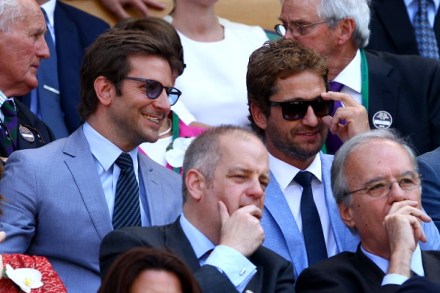
Two film stars watch some tennis. World goes mad!

The first Briton in 77 years won the Wimbledon championships on Sunday, but this is perhaps incidental; did you spot the real thing of note? That Bradley Cooper and Gerard Butler were there to watch him, and were actually laughing and talking to each other, like normal human beings? That’s the real story here! From the flurry of online activity about the sighting of the pair, you might be forgiven for thinking they had done something other than, well, just stand there watching the tennis and have a friendly chat, as all the other spectators (or those who weren’t instead scanning the crowd for well-known faces) were doing.

The odd couples

This is the first post in an occasional series about rediscovering old science books. Twins, Lawrence Wright posits, pose a threat to the established order. People have long been scared of, and intrigued by, them. The doppelganger holds a special place in the gothic canon, whilst some cultures have even seen men cutting off a testicle in the hope it would eliminate the possibility of twin-bearing. Conversely, twins have been held up in voodoo ceremonies as objects of worship or been the subject of televised wonder and investigation. Whether the sentiment is positive or negative, we see them as an aberration and have tended to hold such specimens at arm’s length. More than anything else, Wright says, this is because we are scared of what they can tell us about ourselves.