Niko Vorobyov

Niko Vorobyov is the author of the book Dopeworld

How Ecuador became a narco state

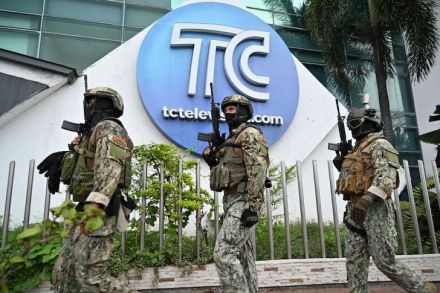
Ecuador was once spared the worst of the narco-warfare and insurgencies that have plagued Latin America. No longer. The storming last week of a TV station in Guayaquil by gun-brandishing thugs showed how no one, and nowhere, is safe from the narco gangs who rule the streets. The latest chaos was unleashed after a major crime lord escaped from prison. José Adolfo 'Fito' Macías Villamar had been taunting authorities for months, even starring in a music video while ostensibly confined under heavy security. Now, he is on the loose.  In recent years, the murder rate has risen by 500 per cent as the once mostly-peaceful land has become a battleground for warring drug gangs.
Does the legacy of Prohibition still haunt America?

21 min listen

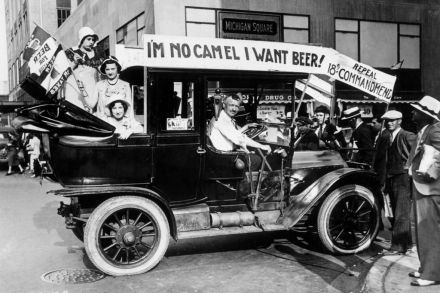
Freddy Gray speaks to journalist and author Niko Vorobyov who wrote Dopeworld: Undercover in the secret war on drugs. 90 years after Prohibition ended, what are some of the biggest misperception about that era? And what has been the legacy of repealing the 18th amendment?

The mistakes of Prohibition still haunt us

From our US edition

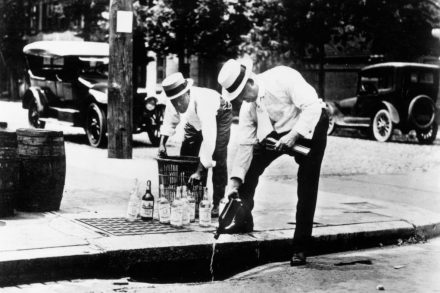
On December 5, 1933, exactly ninety years ago, the Eighteenth Amendment was repealed, formally lifting the ban on alcoholic beverages that defined the Roaring Twenties. Of course, that wasn’t the first time someone tried to outlaw the world’s most popular drug, but it’s probably the best-known case study where the contrast between intended results and reality reached absurd extremes. And yet, the best part of a century later, the same mistakes haunt us.  Saloons had a reputation as pretty rowdy places, filled with whores, card playing and drunken cowboys. The Anti-Saloon League formed to shutter these dens of sin. The League’s leader, Wayne Wheeler, who spearheaded the movement towards Prohibition, told different parties what they wanted to hear.

prohibition

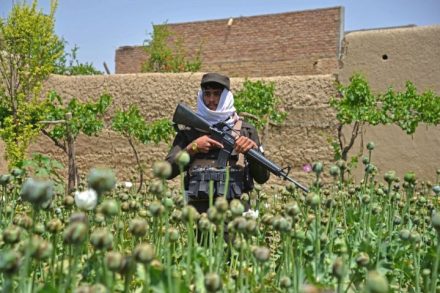
The West could pay a heavy price for the Taliban’s war on drugs

The meth and heroin addicts were still gathering in their hundreds in a squalid encampment under the Pul-e-Sokhta bridge in the Afghan capital of Kabul. It was a sorry sight to see them squatting beside bonfires while stray dogs ran around them, barking. Many were homeless and had nowhere else to go.  ‘It's easier to access the substance here,' a dealer and one of the bridge camp’s scruffy inhabitants told me. ‘Everything is available here, best quality. They (the police) come here but they don’t bother us a lot. We are friends with the dogs; when it’s cold the dogs sit next to us; they may get high when we smoke, too, but not directly.