Nick Hilton

Nick Hilton

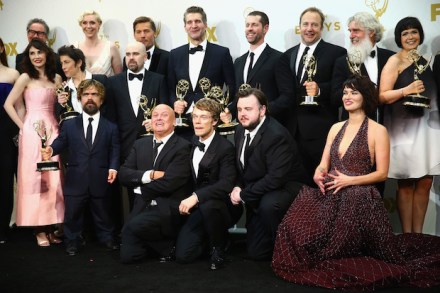
Game of Thrones? More like a game of Risk

From our UK edition

Risk, the classic strategy board game, involves the careless deployment of tiny figurines across the continents of the world, with the opportunity to move, strengthen and attack based on how you think it best to outmanoeuvre opponents watched by the clock of human patience. The writers of Game of Thrones appear to have caught something of that spirit, deciding that viewers no longer require plausible military movements, and are, instead, happy for the entire landscape of the board to be rearranged in the time it takes to roll some dice. In the latest episode, 'The Queen's Justice', Cersei is holed up in King’s Landing, but, militarily, she's playing across the board.

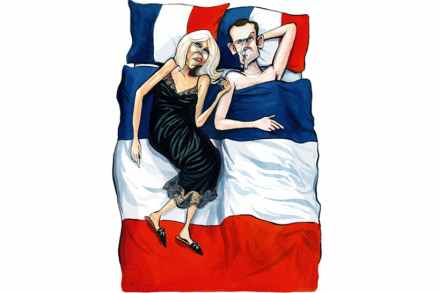
The Spectator Podcast: Macron’s vanity fair

From our UK edition

On this week’s episode we discuss whether Macron is losing his gloss, ask if the Brexit talks are heading in the right direction, and recommend how to get the best out of the Edinburgh festival. First, it’s been just over two months since Emmanuel Macron became President of France, and already cracks are starting to show. Swept into the Elysee Palace by a sea of young voters rejecting Marine Le Pen and the National Front, those same voters are beginning to turn on the centrist former banker who they reluctantly championed. So says Gavin Mortimer in this week’s magazine, where he laments the new President’s vanity, and he joins the podcast from Paris along with the political journalist, Marie Le Conte.

Game of Thrones gets back to brutal business

From our UK edition

A good measure of whether Game of Thrones is feeding you a placeholder episode is to imagine trying to spoil it for a close friend who has yet to watch. After the series opener, ‘Dragonstone’, I was left scrambling for ways in which I could ruin the viewing experience for virgin eyes. Daenerys arrives at Dragonstone? Not exactly news. Cersei schemes against everyone? Change the record. Jon Snow makes a brooding, portentous speech about the White Walkers? Got the t-shirt. And it took a fair time for season seven’s sophomore effort, ‘Stormborn’, to tread new ground, but, when it finally did, it was in a heady blaze of sex and violence. For its first half, ‘Stormborn’ is more House of Cards than Lord of the Rings.

The Spectator Podcast: Madness in the Med

From our UK edition

On this week’s episode, Isabel Hardman is joined by guests to look at the migrant crisis in the Mediterranean and how NGOs might be making things worse, rather than better. We also wonder whether Bristol should be ashamed of its past, and discuss binge drinking with Julie Burchill. Fewer than 300 miles off the Libyan coast lies the Italian island of Lampedusa. With a population of just over 6,000, Lampedusa has become the nexus of a migration crisis that has rumbled on for years, with seemingly no resolution in sight. In this week’s magazine, Nicholas Farrell reports from Italy on a crisis that he believes is being compounded by boats run by NGOs bringing migrants ashore in Europe.

Game of Thrones returns with more of a whimper than a bang

From our UK edition

Like an ex-politician with a hot take on Brexit, Game of Thrones is back. The first episode of this seventh, and penultimate, series – ‘Dragonstone’ – saw the entire ensemble of familiar faces return, as the finely poised situation in the show was laid out for all to see. The first six seasons charted the War of the Five Kings, but now, with the Targaryen heir returned to Westeros, and the White Walkers almost at The Wall, we are heading towards the War of the Two Wars – and ‘Dragonstone’ is the start of an inexorable motion towards the show’s final showdown. But by Game of Thrones’s own rollicking standards, ‘Dragonstone’ moves at a rather glacial pace.

How Game of Thrones is shaping up as the new season begins

From our UK edition

After an agonising year-and-a-bit wait, Game of Thrones, the biggest TV show on earth bar none, returns in the early hours of tomorrow. Given the prolonged gap between the seasons – necessitated by storylines that have now outrun George R. R. Martin’s source material – here’s a pre-release primer on the situation around Westeros, now that Winter has truly arrived. In the North: The start of last season saw the resurrection of Jon Snow – a will-they-won’t-they event that HBO had spent the best part of a year teasing – who was returned to life by Melisandre, one of Westeros’s biggest wildcards.

The Spectator Podcast: Get Boris!

From our UK edition

On this week’s episode, we look at the runners and riders in the Tory leadership race, the latest development in the Trump/Russia brouhaha, and the British(ish) woman who might be about to win Wimbledon. Speculation has abounded in Westminster about the next Conservative leader, ever since Theresa May’s disastrous election showing last month. As her potential successors start to put feelers out, we are already seeing an attempt to block the route of a certain flaxen-haired former editor of this magazine. The ‘Stop Boris’ campaign is in full swing, says James Forsyth in the magazine this week, and he joins the podcast along with Harry Mount to discuss an increasingly bitter contest.

Tennis is the real loser at Wimbledon this year

From our UK edition

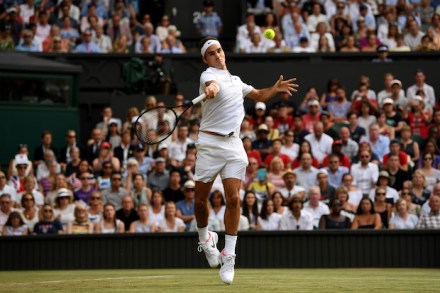
Twice in the first few days of this year’s Wimbledon, I have been left mystified by the optimism of the BBC’s punditry team. I have heard both Rafael Nadal and Roger Federer referred to as being “in the best form” of their careers, and the odds reflect what is considered to be an open title race. For this year’s Championships curtain-raiser, we had the dubious privilege of watching 30-year-old Andy Murray dismantle 20-year-old Sasha Bublik, who hit 12 double faults and looked half the player that Murray did at 20, despite being considered a hot prospect by the ATP.

The Spectator Podcast: The myth of British decline

From our UK edition

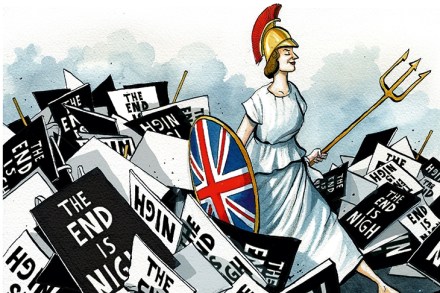
On this week’s episode, we talk about the myth of the British decline, theTwelfth of July parades in Northern Ireland, and the regrettable rise of the man hug. First, Britain seems to be relapsing into another bout of ‘declinism’, writes Professor Robert Tombs in his Spectator cover piece this week. From terror attacks to the Grenfell tower disaster, election upsets to our looming Brexit, the news is being seen by some as a sign of Britain’s downward trajectory in the world. It’s time to snap out of it, says Robert, who joins the podcast along with Fraser Nelson. As Robert writes: "Britain is more secure from major external threat than for half a millennium.

The Spectator Podcast: The Corbyn delusion

From our UK edition

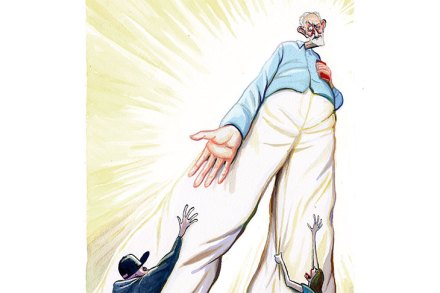
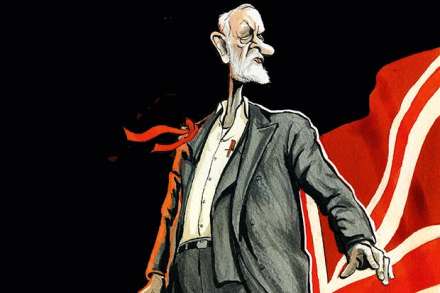
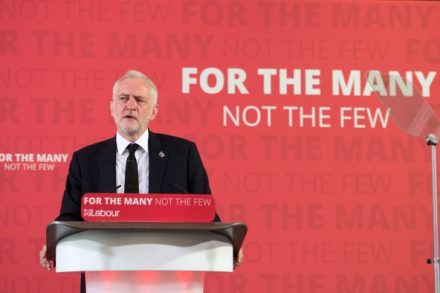
On this week’s bumper episode we discuss the cult of Corbyn, sharia courts, the golden age of gossip, and orchid delirium. First: in this week’s magazine Rod Liddle examines the phenomenon that is Jeremy Corbyn, and describes how he has brought Labour voters together in a 'bizarre coalition'. To discuss this subject, we were joined by Hugo Rifkind, who writes his column this week on witnessing Jeremy Corbyn at Glastonbury, and Ellie Mae O’Hagan, a Corbyn supporting journalist. As Hugo writes: "Honestly, the whole Corbyn thing still does my head in. I understand what his adoring fans believe he represents, but I’m buggered if I can figure out why they think he represents it. Why not do a better speech?

Corbynism is bigger than Glastonbury and avocado toast

From our UK edition

Glastonbury is notorious for being one of the most irritating spectacles in the British calendar, so it is hardly surprising that, when combined with a smattering of Jeremy Corbyn fanaticism, it has gone down badly. There is obviously something repellent about watching 100,000 yuppies – who had paid £238 for the privilege of standing in a field, listening to Ed Sheeran – chanting Corbyn’s name and extolling the virtues of a socialist utopia. But, beyond this, there is something more telling to the newspaper headlines and editorials: the right simply doesn’t have a clue what’s going on with the left.

The Spectator Podcast: The dying of the right

From our UK edition

On this week’s episode, we look at conservatism’s apparent decline, how society has responded to the Grenfell Tower tragedy, and whether young people have had their critical faculties vanquished by a certain boy wizard. First up: This time last year many were wondering whether the left, in Britain and abroad, was in terminal decline. The Brexit vote and Trump’s shock victory seemed only to compound that, and yet, just a few months later, the Spectator now has a cover piece, by Fraser Nelson, declaring that conservatism needs saving. How did we get here? And can anything be done about it? To discuss this, Fraser joined the podcast along with Michael Heseltine.

The Spectator Podcast: Rebooting the Maybot

From our UK edition

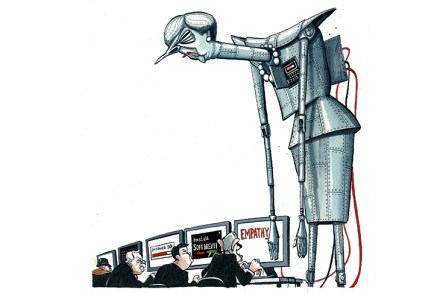
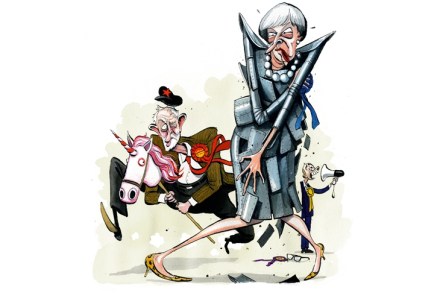
On this week’s episode, we examine the fallout from last week’s shock election result, and ask what’s next for both Theresa May and Jeremy Corbyn. And, to give you a brief respite from all the politics, we also speak to one of the world’s greatest living pianists. First up: In this week’s magazine, James Forsyth describes the repercussions of the hung parliament within the Conservative party, and the attempt being made to ‘reboot the Maybot’. But can the Prime Minister be patched back to health? Or is she so defective that she’s set to be junked? James joins the podcast, along with Andrew Rawnsley, Chief Political Commentator of The Observer.

The British left have enjoyed a golden night

From our UK edition

Ever since Tony Blair handed the keys to No.10 over to Gordon Brown, the Labour party – and, by extension, the British left – has been in free fall. The general elections in 2010 and 2015 left us battered and bruised, and the Brexit vote seemed to be the coup de grace. Under Ed Miliband, the Labour party felt like it was headed for government, only to have victory snatched away, first by John Curtice’s exit poll and then by reality itself. This is the background to last night’s extraordinary resurgence, a triumph of socialist ideals that has – perhaps only for one golden evening – put the 'party' back in the Labour party.

The Spectator Podcast: The jihadi next door

From our UK edition

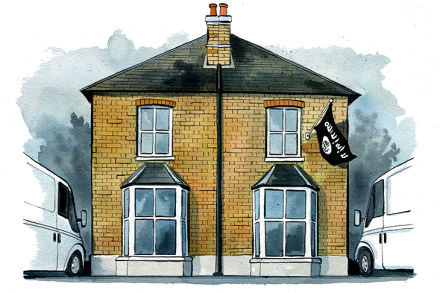
On this week's episode, we discuss the relationship between Islam and violence, question why Brexit hasn’t been a factor in this election, and ask you to embrace the darkness. First up: in this week’s cover story, Tom Holland considers why Theresa May was wrong to dismiss the London Bridge terror attack as ‘a perversion of Islam’ rather than interrogating its roots in the history of the religion. He joined the podcast along with Christopher de Bellaigue, author of The Islamic Enlightenment. As Tom writes: "Last Saturday night, religiously motivated killing returned to London Bridge.

The Spectator Podcast: General shambles

From our UK edition

On this week’s episode we look ahead to the General Election, now just days away, and ask whether Theresa May might conceivably have blown her chances, or if Jeremy Corbyn as Prime Minister is still as unlikely as ever. And, for some light relief, we also be consider the role that handwriting plays in our digital society. First, the British public will be heading to the polls in just a week's time, so we took a moment to reflect on the campaign so far. In his cover piece this week, James Forsyth decries the state of this election, saying that it has left Theresa May, particularly, in a weakened state. James joins the podcast along with Tim Shipman, the Sunday Times political editor and author of All Out War.

Nothing hurts Jeremy Corbyn more than being right

From our UK edition

With Labour closing the gap on the Tories in the polls, it was only a matter of time before an act of self-immolation returned them to square one. This morning, Corbyn gave a speech in which he drew a link between British foreign policy and terrorist attacks on home soil. This will surely go down like a lead balloon with the party’s working-class base, particularly in the north of England which is still reeling from their worst terror attack in modern history. But in London and the home counties, there might be whispered recognition of the fact that Corbyn is, essentially, right, even if he’s wrong to say it. It seems that nothing is more destructive in British politics at the moment than being right.

The Spectator Podcast: The Islamist worldview

From our UK edition

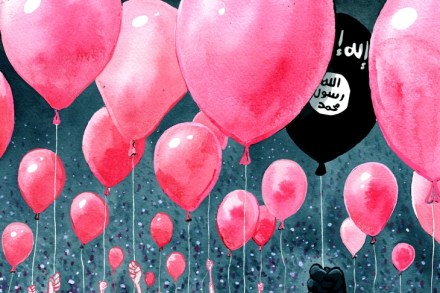
On this week’s episode, we reflect on the tragic events in Manchester and what can be done to prevent similar attacks in the future. We also look at the emergence of political courts in America, Russia, France and beyond, and tip which constituencies to have a flutter on in next month’s election. First, we took a moment to consider the terrorist attack that struck Manchester on Monday evening. With scores dead and injured, including children as young as 8, what can be done to stop another atrocity like this taking place? Douglas Murray says, in this week's Spectator cover piece, that we have long understood the Islamist worldview, but failed to tackle its ideology.

The Spectator Podcast: The May manifesto

From our UK edition

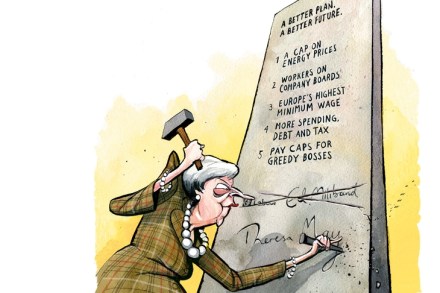
On this week’s episode, we discuss Theresa May’s lurch to the left, the NHS’s looming crisis, and how Americans should talk about Trump. First up: Theresa May has launched the Conservative party's manifesto this week, but whilst much has been made of the slow death of the Labour party, the Tories appear to have borrowed rather liberally from Ed Miliband's 2015 offering. This is what Fraser Nelson says in his cover piece, claiming that the Conservatives have become 'the party of Brexit' rather than of low taxation. He joins the podcast along with David Goodhart, who writes this week on how Theresa May is finding a new middle way.

The Spectator Podcast: Made in Windsor

From our UK edition

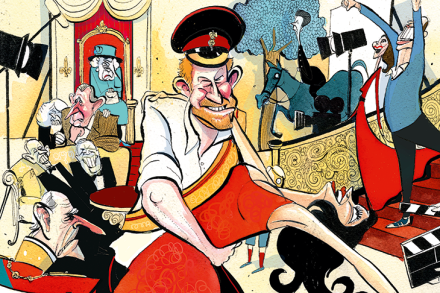
On this week's edition of The Spectator Podcast, we tackle a number of the most contentious issues around: whether the young royals are becoming too open with the press, if wind power will ever be an effective source of energy, and the question of whether Arsène Wenger should stay or go. First, in recent weeks, Princes William and Harry have both opened up to the world about their struggle to cope in the wake of their mother's tragic death. But Freddy Gray, in his cover piece, finds this candour off-putting, urging them not to turn the monarchy into a reality TV show. He joins the podcast along with Telegraph columnist Bryony Gordon, who conducted the first interview with Prince Harry where he spoke up about his issues with mental illness.