Nicholas Hopton

Nicholas Hopton is the director general of the Middle East Association, and was Britain’s ambassador to the Islamic Republic of Iran from 2016 to 2018. He also served as ambassador to Libya, Qatar and Yemen.

Iran has offered Trump an olive branch

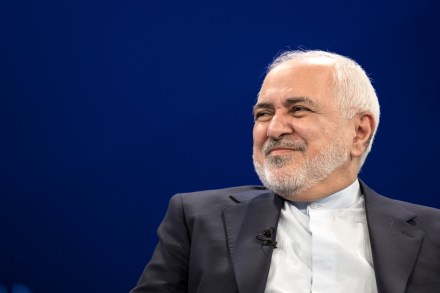
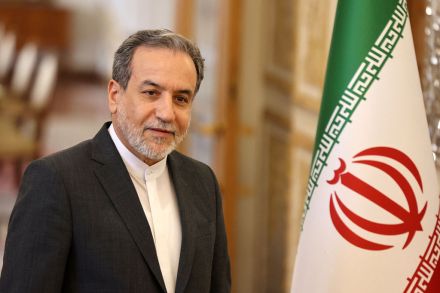
There are few figures in Iranian politics as simultaneously familiar and enigmatic as Javad Zarif. To some in Washington he remains the smooth-talking apologist of the Islamic Republic; to hardliners in Tehran, he is still the man who gave too much away in the nuclear negotiations. When such a figure publishes the necessary elements for a new US-Iran deal that will end the Third Gulf War, it is worth paying attention. Zarif’s recent article in Foreign Affairs, framed as a set of reciprocal steps between Tehran and Washington, is best understood as a sort of olive branch. In diplomatic parlance, he is ‘flying a kite’: testing how far the wind might carry a new idea without committing to its consequences.

Why the Iran protests feel different this time

From our UK edition

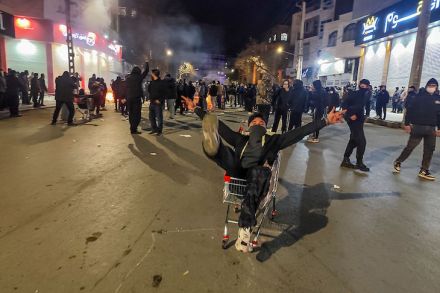
The most recent spate of protests in Iran have escalated since 28 December and raised hopes once again that the end of the Islamic Republic may be imminent. As the security forces ignore the government’s offer of dialogue and the death toll rises, how realistic is that? Iranians – much like the French – are healthily predisposed to taking to the streets to voice grievances Protests in Iran are nothing new. In fact, Iranians – much like the French – are healthily predisposed to taking to the streets to voice grievances. In France, marches tend to focus on the Champs-Élysées and Place de la Concorde; in Tehran, protestors habitually march along the main Ferdowsi and Enghelab (Revolution) boulevards to congregate in the central Ferdowsi Square.

Will the Gaza ceasefire collapse?

From our UK edition

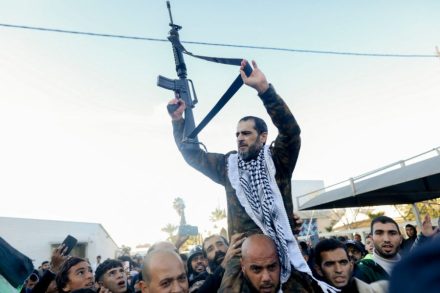
The end of February, which coincides with the start of Ramadan, was meant to mark the conclusion of the initial exchange of Israeli hostages held by Hamas for Palestinian prisoners held by Israel. However, rather than engaging as planned on what should happen, how, and when in the second phase, the ceasefire appears to be stalling and the parties sliding inexorably towards stalemate or renewed conflict. So far, the ceasefire that started on 19 January, the day before President Trump’s inauguration, has defied the expectations of many. The conflict in Gaza stopped and more deliveries of humanitarian aid were allowed to reach displaced and desperate Palestinian refugees.

Syria’s future is uncertain

From our UK edition

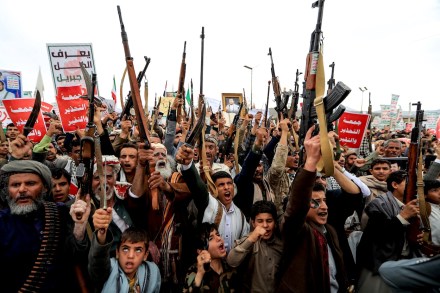
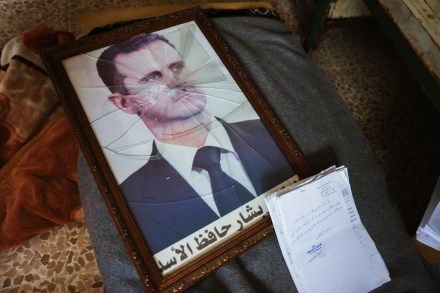
A momentous fortnight in the Levant. Following a negotiated ceasefire agreed in between Israel and Hezbollah bringing a fragile possibility of peace to Lebanon, opposition forces in Syria drove the dictator Bashar al Assad into exile. They ended 54 years of autocratic rule by the Assad family and 14 years of acute suffering for the Syrian people since the uprising of the so–called ‘Arab spring’. Syrian Army soldiers not only abandoned their posts but also dumped their uniforms – though apparently not their guns – and thousands fled across the border to Iraq to avoid retribution. Around the world in countries that have given refuge to Syrian refugees in recent years, including Sweden, the UK and capitals in the Middle East, celebratory demonstrations erupted.

A pause between wars

From our UK edition

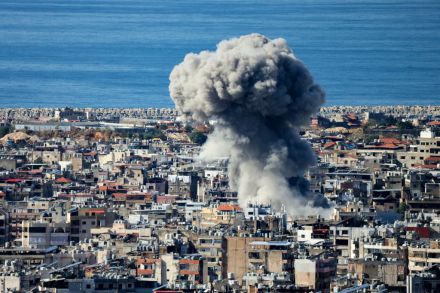
‘What is to stop it happening again?’ was the pertinent question put to me by a Lebanese friend this week as we discussed over a mezze the announcement of a ceasefire between Israel and Hezbollah. Given what we know of the terms agreed between the combatants, the answer seems to be, ‘Not a lot.’ Generally, I am not one to pour cold water or see the glass half empty. But beyond welcoming a cessation in the brutal meeting out of death by bombardment on the civilians in both Lebanon and northern Israel, it is hard to see the ceasefire agreement as sustainable in the long term.

The Iranian diplomat trying to stop Armageddon

From our UK edition

‘The embassy is being invaded. The ambassador has had to lock himself in his office upstairs, and there are people on our balcony. Your government is responsible for the safety of our diplomats and embassy. We will hold you accountable...’ The voice at the other end of the line was calm, though there was no mistaking the underlying aggression. ‘The Vienna Convention is very clear about the responsibility of host countries for diplomatic missions.’ I received that call in the autumn of 2017, when I was coming to the end of my second year as Britain’s ambassador to Iran.