Natalie Evans

What two years—and a free school—can do for exam results

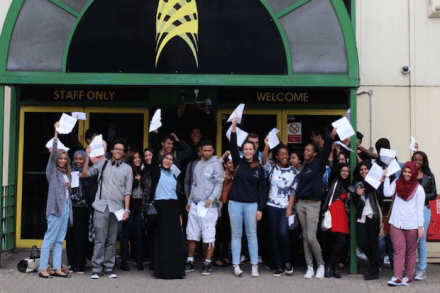
For the first time in 32 years, the overall pass rate for A-levels has dropped, and the percentage of those achieving an A* or A grade has also dipped slightly. One part of the country that has bucked the national trend is Newham. And in particular, the borough's London Academy of Excellence – a brand new sixth form free school. Just under two years ago, this sixth form opened its doors to students in one of the most deprived boroughs in the country for the first time. Set up by a coalition of eight leading independent schools – including Eton, Highgate and Brighton College amongst their number – its goal was a straightforward one: to improve the record of university entry in the borough. And it was a pretty low base.
Don’t use the ‘Trojan Horse’ plot as a Trojan Horse against school autonomy

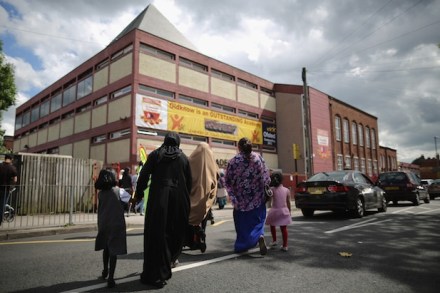
As the smoke clears around the Birmingham Trojan Horse investigations, a real sense of the scale and seriousness of the issues is finally emerging. With five schools being judged ‘inadequate’ and 11 more identified as ‘requires improvement’ there are substantial concerns that need to be addressed and lessons that need to be learned across the system. But it is also clear that these issues are not unique to one particular type of school. Almost all of the 16 schools – academies and maintained schools alike – have been told to review their governance or safeguarding arrangements. With oversight of these schools spanning variously the local authority, Education Funding Agency, Department for Education and Ofsted everyone has serious lessons to learn.

Free schools are revolutionising state education

The last few days have been immensely frustrating for students, teachers and parents involved with free schools, because, yet again, their schools have become a political football. Following the recent 'debates', you would be forgiven for believing that these new independent state-funded schools have been foisted on communities who do not want them, are languishing half empty and have been written off by Ofsted, struggling to keep pace with other state schools. Since 2010, nearly 300 new state schools have been set up – by teachers, charities and community groups. Each one is only in existence because parents have come forward in their thousands, demanding more for their children.

Building more for less

There’s no way round this: housing in this country is in a pretty awful state. Waiting lists for the shrinking number of “affordable” or social homes are rising, while fewer people can afford to buy their own home. That would be the case even if the banks were able to lend – which they can’t because of the credit crunch.   Fewer than 100,000 new homes are currently being built per year, when 200,000 - 300,000 are needed.  The number of new mortgages being arranged is at its lowest level since 1975, while housing waiting lists have risen from 1 million in 2000 to 1.75 million today. The number of social homes has fallen by 250,000 in the last eight years.