Michael Simmons

Michael Simmons

Michael Simmons is The Spectator's economics editor. Contact him here.

Is the welfare state about to expand?

From our UK edition

18 min listen

James Heale and Michael Simmons join Patrick Gibbons to discuss the speculation that Labour could scrap the two-child benefit cap. Is this just red meat for the left of the party or is it a sign that public opinion around welfare has shifted? And, with mixed messages on the economy, can the country afford to scrap it? This comes just a week after Labour’s partial U-turn over the winter fuel allowance so, with pressure also increasing from Reform, is the welfare state about to expand? Produced by Patrick Gibbons.

IMF: Britain will need to raise taxes if it wants to keep spending

From our UK edition

The International Monetary Fund (IMF) has warned Britain faces ‘difficult fiscal choices’ if it is to meet ever increasing spending pressures. The fund predicted a surge in public spending, driven largely by commitments to welfare, health, and pensions.According to the IMF, these policies will push public spending as a share of GDP up by 8 per cent by 2050. The message is clear: unless revenue is increased – i.e even more tax rises  – the UK will need to confront ‘tough policy decisions’ about the future role of the state and the scale of public services it can afford to deliver. Crucially, the IMF noted that the government’s ability to meet this challenge through borrowing is severely limited.

What has reaction been to the UK-EU deal?

From our UK edition

18 min listen

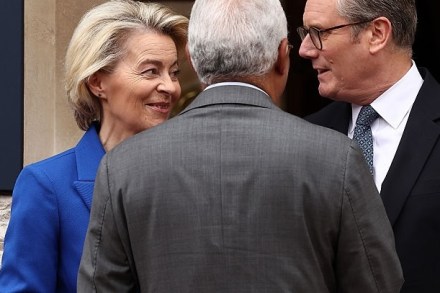
Fallout continues from yesterday's summit and the announcement of a deal between the UK and EU – or is it fair to call it 'fallout' as, despite criticism over the deal from Nigel Farage and Kemi Badenoch, has the public got Brexit fatigue?  James Heale and Michael Simmons join Patrick Gibbons to talk about the reaction to the deal. Fisheries has taken up most discussion but Michael points out a lesser talked about commitment to energy policy. And, with the government keen to talk about it in tandem with recent deals with India and the US – and Gulf states soon, according to Rachel Reeves this morning – what's the political narrative around the summit? Produced by Patrick Gibbons.
Britain is not in charge of its energy

From our UK edition

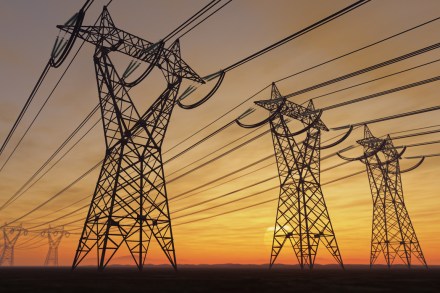
As much of Westminster gets up in arms about fish, the major change in Starmer’s EU deal is going under the radar. The deal, announced yesterday, commits Britain and the EU to exploring Britain’s participation in Europe’s energy market. If we go forward with this, it effectively gives up our energy policy to Brussels. It’s a stark giveaway given that on the same morning the Office for National Statistics (ONS) published an analysis on ‘The impact of higher energy costs on UK businesses’. That impact is quite remarkable. Output from energy intensive industries has fallen rapidly since the beginning of 2021 when energy prices began to skyrocket.

Mixed signals for Labour as GDP rises but the rich leave

From our UK edition

13 min listen

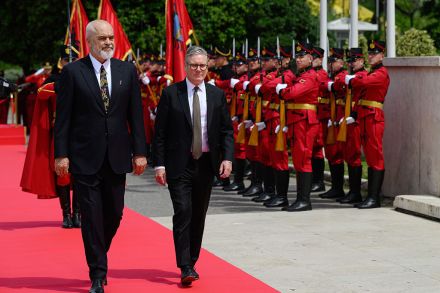
The Prime Minister is in Albania today to focus on immigration: the government has announced that the UK is in talks to set up 'return hubs' with other countries to send failed asylum seekers abroad.  Unfortunately for the government though, also going abroad are Britain's millionaires. In the cover article for this week's Spectator, our economics editor Michael Simmons writes that London lost 11,300 dollar millionaires last year alone. These figures run in stark contrast to today's news that GDP increased by 0.7% in the first quarter of 2025. This continues a trend of mixed signals for Britain's economy.

Britain’s billionaire exodus, Michael Gove interviews Shabana Mahmood & Hampstead’s ‘terf war’

From our UK edition

42 min listen

The great escape: why the rich are fleeing BritainKeir Starmer worries about who is coming into Britain but, our economics editor Michael Simmons writes in the magazine this week, he should have ‘sleepless nights’ thinking about those leaving. Since 2016, nearly 30,000 millionaires have left – ‘an outflow unmatched in the developed world’.  Tax changes have made Britain a ‘hostile environment’ for the wealthy, yet we are ‘dangerously dependent’ on our highest earners: the top 0.01 per cent pay 6 per cent of all income tax. If the exodus is ‘half as bad’ as those he has spoken to think, Simmons warns, a 2p hike to income tax looms.

Is Britain’s strong growth really because of Rachel Reeves?

From our UK edition

The UK economy grew faster than expected in the first three months of the year. According to figures just released by the Office for National Statistics, GDP rose by 0.7 per cent in the first quarter – ahead of economists’ forecasts. If this pace were maintained across the rest of the year, Britain would far outperform its G7 peers Growth was broad-based: the services sector expanded by 0.7 per cent, while production surged by 1.1 per cent – a notable bounce after a period of decline. Even on a per capita basis, GDP rose by 0.5 per cent after falling for two consecutive quarters. So, is this a vindication of Chancellor Rachel Reeves, or just a fluke? Reeves was quick to take credit, hailing the results as evidence of ‘the strength and potential of the UK economy’.

The rich are fleeing – what next?

From our UK edition

Keir Starmer is worried about who’s coming into the country. This week, he launched a white paper with the aim of cutting migration. Britain risks becoming an ‘island of strangers’, he said. However, it’s not just arrivals that should give him sleepless nights. It’s the number of people in the departures lounge too. London’s private members’ clubs, top schools, luxury car dealerships and estate agents are all grappling with the same problem: their customers are fleeing the country. Since 2016, almost 30,000 millionaires have left Britain – an outflow unmatched in the developed world. They are either returning home or moving abroad. The reason is a slew of tax changes that have made it much less attractive to be rich in Britain.

Reeves’s jobs tax is beginning to bite

From our UK edition

Figures just released by the Office for National Statistics (ONS) show the UK unemployment rate has risen to 4.5 per cent, the number of people on company payrolls has dropped by 63,000 over the past year, and there are 131,000 fewer job vacancies than at this time last year. Today’s employment data covers the period up to March – before the rise in the minimum wage and the Chancellor’s £25 billion national insurance hike took effect. The fact that the labour market was already faltering beforehand shows how deeply businesses were bracing for impact. It’s now the third consecutive month in which firms have shed jobs, and April's data could turn out even worse.

US and China slash tariffs

From our UK edition

The White House has announced a breakthrough in trade negotiations with China following two days of talks in Switzerland. Yesterday, Treasury Secretary Scott Bessent said the two sides had made ‘substantial progress’. This morning, he said that the US would lower tariffs on China to 25 per cent from 145 per cent for 90 days, and that China would lower tariffs on the US to 10 per cent from 125 per cent for 90 days. Trump’s trade chief Jamieson Greer (who gave his first European interview to Unherd last week) said yesterday it had been a ‘very constructive two days’. He added: ‘It’s important to understand how quickly we were able to come to agreement, which reflects that perhaps the differences were not so large as maybe thought.

How scuzzy is your neighbourhood?

From our UK edition

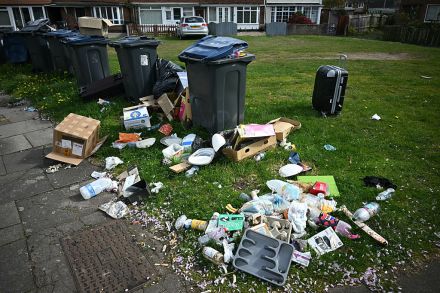
Voters turned to Reform in the recent local elections for many reasons, but one theme resonated more than most: the state of our streets, neighbourhoods and communities.  Across Britain – as Gus Carter writes for the cover of this week’s magazine – the same pattern repeats. Whether it’s car thieves smashing windows in London, shops being looted in daylight, or fly-tippers trashing local parks, anti-social behaviour is rife, and no one seems to do anything about it. Councils fob you off. Police don’t turn up. Victims give up reporting crimes because nothing happens. This, as Gus put it, is Scuzz Nation. It’s a country where taxes are high, services are broken, and the social contract has frayed.

US trade deal: ‘a political win, not an economic win’

From our UK edition

11 min listen

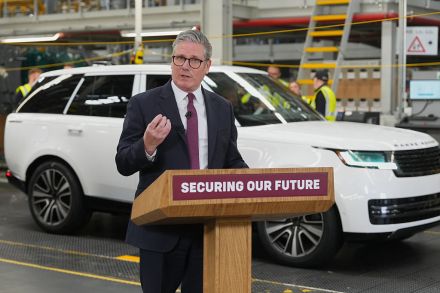
On Thursday afternoon Prime Minister Keir Starmer gave a speech about closing the long-awaited UK-US trade deal. Not that his announcement went without a hitch however; after first directing lobby journalists to the wrong Jaguar Land Rover factory in Coventry, Starmer then had his limelight stolen by the election of a new Pope. Although, Labour’s ‘historic’ trade deal has pipped the Pope on most front pages. The reception has been positive across government too, with many heralding a political win for Labour – just when they really needed one after the local elections. But is this an economic win as well? Critics say the deal is shallow, clearly just a start, and are at pains to point out that we are still in a worse trading position than earlier this year.

White smoke on a US trade deal

From our UK edition

15 min listen

It’s a massive day for the Labour government and for Keir Starmer, as the UK becomes the first country to sign a trade deal with the US following the tariff turmoil of last month. Donald Trump described it as a ‘full and comprehensive deal’ … although we are still waiting for some of the details to be thrashed out. What we do know is this: the 25 per cent tariff on UK steel and aluminium has been removed and the rate on most car exports has been slashed from 27.5 per cent to 10 per cent. In return, the UK is removing the tariff on ethanol for US goods and has agreed ‘reciprocal market access on beef’. So far there is no word on the digital services tax, and Britain is still liable to pay the 10 per cent baseline tariff rate.

Why Britain is cutting interest rates – and the US isn’t

From our UK edition

Interest rates have been cut to 4.25 per cent. The Bank of England’s Monetary Policy Committee (MPC) voted by five to four for what will be the fourth rate reduction since August. The decision breaks with the direction of the US Federal Reserve, which held rates yesterday after refusing to bow to pressure from President Donald Trump who wants to see rates cut. Jerome Powell, the Fed’s chairman, said America’s economy was ‘highly uncertain’ making it difficult to push ahead with a rate reduction. The government will hope that a trade deal will free Britain from the worst effects of the tariff war Back home, analysts are now anticipating the sharpest fall in the cost of borrowing since the financial crisis.

What would a US trade deal mean for the UK?

From our UK edition

Later today, Donald Trump is reportedly set to unveil a trade deal with the UK. He’ll make the announcement alongside ‘a big and highly respected country’ which is said to be Britain. If the reports are true then it would make the UK the first country to secure a deal since Trump’s tariff turmoil began.  The announcement will come at 3 p.m. UK time and could be worth billions in what would be an unarguable win for Rachel Reeves and Keir Starmer.  Britain has already been somewhat shielded from the president's wrath (and tariffs) because our trade in goods with the Americans is pretty much balanced (roughly £59 billion each way).

Do the Tories hate free trade? Plus, Reform hits new polling high

From our UK edition

15 min listen

Lots to talk about today, including new polling which puts Reform on 29 points compared to the Tories on just 17. We’ve also just had the first PMQs since the local elections. But the trade deal announced yesterday between the UK and India is dominating the headlines, with many concerned about some of the concessions made – namely the decision to exempt some short-term Indian workers from national insurance as part of the new agreement. This comes barely a week after the local elections, where immigration has been widely considered the most salient issue.

Starmer can’t afford a winter fuel U-turn

From our UK edition

Keir Starmer has ruled out a U-turn on the government’s decision to cut the winter fuel payment, with the Prime Minister’s spokesman insisting there ‘will not be a change to the government's policy’. This came after a report in the Guardian suggesting No.10 was considering softening the £1.4 billion cut, possibly by raising the threshold that defines who qualifies as poor enough to receive it. We can’t keep living in a state totally consumed by propping up its welfare system That a U-turn was even floated reflects two pressures: disquiet among Labour’s backbenchers, and the electoral warning shot fired by Reform UK in last Thursday’s local elections and by-election.

Labour’s benefits cuts aren’t working

From our UK edition

Britain’s welfare crisis may have slipped from the front pages following Liz Kendall’s £4.8 billion worth of cuts announced ahead of the Spring Statement, but the problems haven’t gone away. Figures quietly released by the Department for Work and Pensions (DWP) this week show that, despite Labour’s planned ‘reforms’ to the benefits system, nearly a million more people will end up on incapacity benefits by the end of the decade, at an additional cost of £9 billion. Kendall’s reforms have only chipped away a few pebbles from Everest Last autumn, the DWP’s own forecasts projected welfare spending on disabled and sick Britons passing £120 billion by 2030.

Are things beginning to look up for Rachel Reeves?

From our UK edition

The Chancellor will meet America’s top economic official, Treasury secretary Scott Bessent, today as she concludes her trip to the International Monetary Fund’s Spring Meetings in Washington. As discussed on Coffee House this week, Rachel Reeves will use her meeting to attempt to make an Anglo-American trade deal a realistic possibility.  Yesterday, the Chancellor put in a surprise appearance on one of Donald Trump’s favourite news channels, Newsmax, and said she understood that both her government and the Trump administration were elected by voters who felt globalisation had not worked for working people. The tone of her interview was very much aimed at the President and his team.

Can Rachel Reeves woo Trump’s team – without alienating the EU?

From our UK edition

The government is on a charm offensive in Washington. Tonight, Britain’s ambassador to the US, Lord Mandelson, will host officials from Donald Trump’s government and American business figures at the British embassy. Tomorrow, the Chancellor will meet her counterpart, Treasury Secretary Scott Bessent. Rachel Reeves is looking to permanently end the punishing 25 per cent tariff on British cars and 10 per levy on other exports. Reeves has given an interview to one of Trump’s favourite channels, Newsmax, in which she was asked about her upcoming meeting with Bessent.