Matthew Bowles

Matthew Bowles is a Senior Policy Researcher at the Prosperity Institute 

What do London’s overpaid deputy mayors actually do?

From our UK edition

Walk through central London with your phone out, and it might not be yours for much longer. Theft in the capital has surged in recent years. So has shoplifting, with almost 90,000 incidents recorded in London last year, up roughly 54 per cent from the previous period. Meanwhile, fare dodging on London’s transport network has

A Green Christmas would be more awful than you could imagine

From our UK edition

It is remarkable how a country can adjust to diminished expectations. Think of Japan post-Fukushima, or even post-war Britain under rationing. By December 2029, Britain, governed by the Green-Your Party coalition under prime minister Zack Polanski, will have quickly learned how to make do with very little. Let’s wind forward four years. Four years from

Rachel Reeves should focus on cutting welfare

From our UK edition

Rachel Reeves is reportedly considering a 2p increase in income tax, taking the basic rate from 20 to 22 per cent. That might seem modest by historic standards, yet it would be a clear breach of Labour’s manifesto promise, made just over a year ago, not to raise any of the big three taxes. More

Polanski is talking nonsense about wealth taxes

From our UK edition

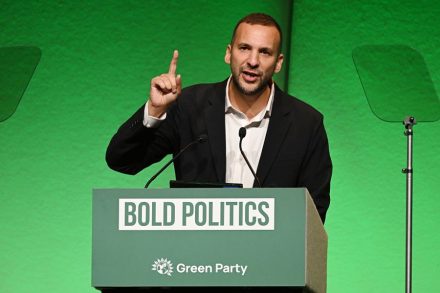
On Question Time last week, Zack Polanski, the Green Party leader and erstwhile boob-whisperer, declared that there is no evidence that the wealthy leave Britain because of wealth taxes. A bold claim, and a wrong one. It’s also revealing, symptomatic of a growing belief on the populist left that Britain’s problems could be solved if

London must break its temporary housing cycle

From our UK edition

London is often held up as the jewel in Britain’s crown. Yet beneath the city’s gleaming skyline lies a less celebrated reality: ‘temporary housing’ that is anything but. Across the capital, families in need are housed by local councils in hotels, hostels and B&Bs at extraordinary expense. What is meant to be a short-term emergency

Britain is ready for a Reagan

From our UK edition

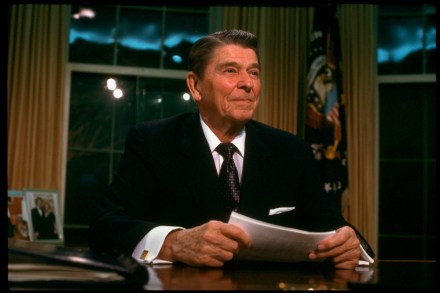
History doesn’t repeat itself. But it does echo. The United States of the 1970s and Britain of the mid-2020s share more in common than we might first admit: economic drift, institutional distrust, foreign policy muddles, and a political class that’s treading water. The question now is whether the UK, like America in 1980, is approaching