Mark Gettleson

Mark Gettleson is a campaigns and communications strategist. He has written extensively on American and British politics, focusing on long-term electoral trends

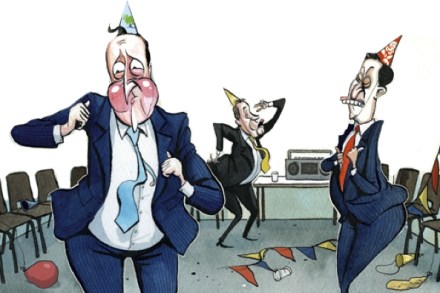
David Cameron wants to party like it’s 2011

This was a landmark week in this long election campaign. It was the first this year in which two pollsters (YouGov and Lord Ashcroft) each posted a Conservative lead outside of the margin of error. A 4 per cent lead for the blues may not sound like much – but it represents the largest Conservative lead on YouGov in more than three years. Indeed, of the 12 polls published so far this March, Labour have led in just 4 – compared to 27 leads out of 39 throughout February. It may be nothing. But I somehow suspect otherwise. If you said to me following the 2010 election that Ukip would have been on 15 per cent, the Liberal Democrats would have collapsed to single figures – and still, Labour would fail to have a poll lead – I wouldn't have believed you.
Suburban legends: Why London’s property boom seems set to help Labour win seats

Economists have for some time spoken of a ‘great inversion’ of London, whereby property price hikes in inner London, often linked to gentrification, has made suburbia comparatively more affordable. These changes, marked in the five years since David Cameron became Prime Minister, could have a profound effect on how the general election result pans out in the city. This is especially the case given the ability of such changes to affect the social and demographic makeup of London, as people from poorer backgrounds, the young and ethnic minorities are more likely to be susceptible to price increases in the private rental market.

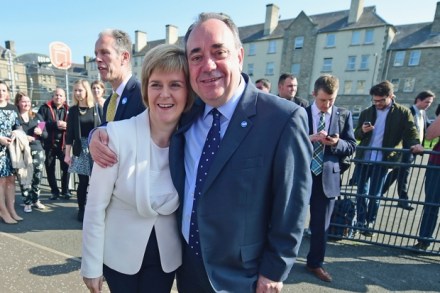
Scottish electoral geography is working to the SNP’s advantage

The dramatic rout of Scottish Labour continues. Polls suggest the SNP will take 55 out of 59 seats and of the 14 constituencies surveyed by Lord Ashcroft, only Glasgow North East is set to remain in Labour hands. Such political collapses are rare in UK politics - so what's going on? Prior to 2011, the dividing line of Scottish politics was ‘to be or not to be’ Labour. This was a huge advantage to a party which, faced with split opposition, managed to win 69% of Scottish seats in 2010 with just 42% of the vote.

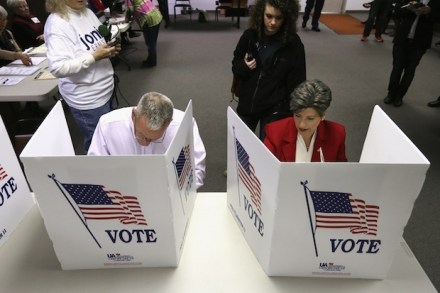
The Republicans will win the Senate tonight. Here’s how

The Republicans will win the Senate tonight in their biggest such win in a generation, even though two states may vote again in December and January. The Senate is currently made up of 53 Democrats, 2 independents who caucus with the Democrats and 45 Republicans. As such, the Republicans need 6 gains for control. They will achieve that.  This is how the races match up in each key state. Alaska (Democratic seat: Mark Begich) The scandal embroiled-Ted Stevens, Alaska's most celebrated Senator, was hotly tipped to lose his seat in 2008 - as he did, by the narrowest of margins. Anchorage Mayor Mark Begich, the son of a former Governor, was until recently expected to win re-election, even in this heavily Republican state.

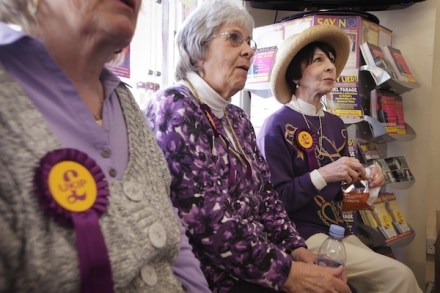
Sandcastles, lettuce and a big train: where Ukip won and why

Anyone who watched the latest episode of Mary Queen of the High Street will have been mildly amused to see the retail diva encounter the good burghers of Margate. Urbane, fabulous and witty, with a mission tinged an air liberal imperialism, as if ‘to explore strange new worlds’. One can almost imagine her government reports: ‘It's commercial life, Prime Minister, but not as we know it.’ Suffice to say, much as some of the animosity was no doubt hammed up for the cameras, not every inhabitant of Planet Thanet welcomed Portas with open arms. What project more symbolises the Cameroon 'big society' effete tofu-laden conservatism than Operation Portas? And how is the once-bustling holiday destination of the Isle of Thanet responding to the Prime Minister's affections?