Mark Galeotti

Mark Galeotti

Mark Galeotti heads the consultancy Mayak Intelligence and is honorary professor at the UCL School of Slavonic and East European Studies and the author of some 30 books on Russia. His latest, Forged in War: a military history of Russia from its beginnings to today, is out now.

Some Russians think Britain’s bungled Brexit is just an illusion

It's hardly a surprise that Russian and American views of the world differ sharply. But there is one area of unexpected congruence in Moscow and Washington: Brexit. Travelling between both capitals, it is hard to tell the difference between the perplexity and even suspicion with which Britain's ongoing and bungled departure from the EU is being viewed. Of course, the two administrations have rather different interests when it comes to Brexit. In the United States, there is some excitement among big business about the prospect of the UK market opening up. In the main though the feeling is one of dismay about the crisis gripping one of the country's closest allies.

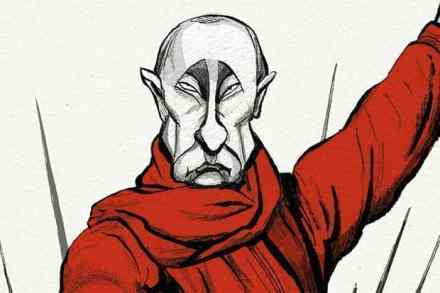
What does Putin really make of Britain’s Brexit mess?

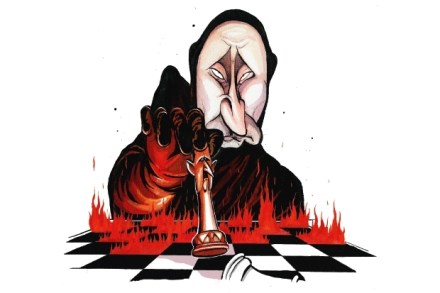
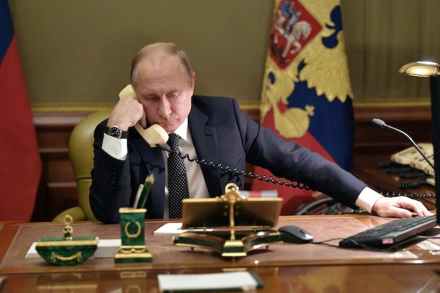
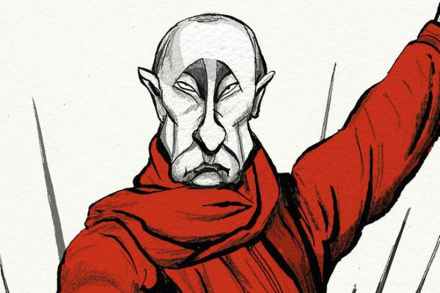
When it comes to Brexit, Britain's friends, neighbours, trade partners and even antagonists are generally united in one thing: wondering what on earth is going on. In Russia, there is a particular cocktail of satisfaction and bewilderment. The satisfaction is predictable. From the Kremlin's point of view, the whole Brexit extravaganza is a gift, regardless of the eventual outcome. Putin's strategy is essentially to divide, distract and demoralise the West, so that either we are sufficiently worn down to strike a deal that grants Russia the status he craves – essentially as hegemon of Eurasia and a fixture in any global negotiations – or else we are so fragmented, feuding and fatigued that he has a free rein.

The trouble with Interpol

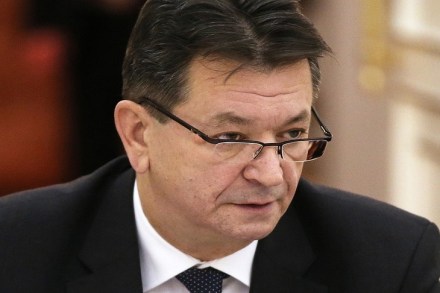
At the last minute, the Russian police general everyone had assumed was a shoo-in to become the next head of Interpol was defeated by the acting head, South Korean Kim Jong-yang. It’s good news for the international police cooperation organisation, for the West and, arguably, for justice – but it’s not the end of the story. The presumed front-runner, major general Alexander Prokopchuk – formerly the head of Russia's Interpol bureau – has been accused of supervising the systematic attempt to apparently use the agency to persecute the Kremlin's political enemies. Nonetheless, until the eleventh hour, everyone saw Prokopchuk as the heir apparent. Moscow certainly seems to have thought so.

Don’t be fooled by Putin’s bungling spies

Suddenly Russian spies seem funny rather than fearsome. 'More Johnny English than James Bond’ as Security Minister Ben Wallace put it, as if the Salisbury pair had not killed on British soil. It’s certainly true that we have seen some big blunders on the part of the GRU, Russian military intelligence: Sergei Skripal’s would-be assassins presenting themselves as innocent sports nutritionists with a taste for thirteenth-century ecclesiastical architecture. Hackers caught in the Netherlands with laptops that had not been sanitised between operations. The names of 305 GRU officers made public because they registered their cars at their base, presumably in order to avoid paying car tax.