Marcel Plichta

Marcel Plichta is a PhD Candidate in International Relations at the University of St Andrews and a former analyst for the U.S. Department of Defense.

The problem with Britain’s cheap military lasers

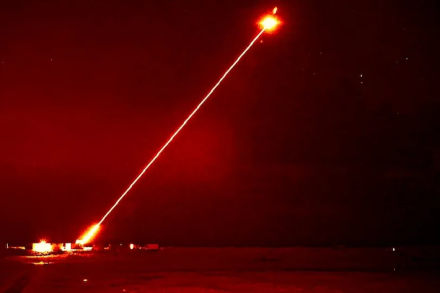
Unveiling fancy new technology is one of the strategies the government can use to show Brits that they take defence seriously. In recent months, UK officials have made a big deal of Dragonfire, the UK’s new laser system that promises to blast a drone out of the sky for the same price as a takeaway. Defence Secretary Grant Shapps even suggested that prototype versions could be sent to Ukraine help them fight Russian forces, though it is not included in recent aid packages.  However, the shortcomings of Dragonfire demonstrate how hard it is to completely remove the threat of drones, and the need for the UK to look beyond niche weapons systems. It’s important to understand what new weapons can and cannot achieve Dragonfire does offer real advantages in some situations.
How Ukraine’s drone attacks can hit Russia where it hurts

On the morning of 16 March, Ukrainian drones struck multiple refineries in the Samara region of Russia, For more than a week, Ukrainian drones have targeted Russian oil infrastructure, particularly refineries. If the attacks become regular and continue indefinitely, they will impose significant costs on the Russian economy and military.  Ukraine is presenting Russia with the same air defence dilemma that Kyiv currently faces. Russia uses missiles and Shahed drones to attack Ukrainian cities. Ukraine has to keep a massive amount of its air defence behind the frontlines. Doing so offers the Russian air force slightly more safety in the air and diverts international focus from providing Ukraine with offensive systems.

Is providing air defence equipment enough to help Ukraine?

During his first visit to Kyiv last Saturday, Rishi Sunak pledged a new tranche of British military aid to Ukraine. Unlike previous UK support, this new package was entirely focused on air defence: £50 million for anti-aircraft guns (almost certainly purchased via a third party as the UK military does not currently use them), radars, and counter-drone electronic warfare systems. The Prime Minister’s pledge follows a promise made by the UK to provide an additional 1,000 anti-aircraft missiles for Ukraine’s armed forces a few weeks ago.  It’s no mystery why air defence has become a key priority. Since October, Russian missiles and drones have pummelled Ukrainian civilian infrastructure and power plants.