Lucy Dunn

Lucy Dunn

Lucy Dunn is The Spectator's political correspondent. She is a qualified doctor from Glasgow.

Caerphilly by-election: ‘a tale of two faces’

16 min listen

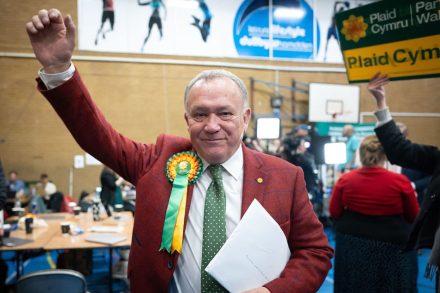
On the face of it, the Caerphilly by-election result is a disaster, a drubbing and a humiliation for Keir Starmer’s Labour party. A once secure bastion of the Welsh Labour heartlands fell without a squeak from the governing party. Their vote collapsed to a miserable 11 per cent, while Plaid Cymru won with 47 per cent and Reform surged to second place with 36 per cent. The result suggests Labour is on course to surrender a boatload of seats at the 2029 general election, both to Reform and to whatever protest party is best suited to beat the government around the head – be it Plaid, the Greens, the Corbynites, the Islamist independents or the SNP. But is there good news for the PM beyond the headlines?  Lucy Dunn speaks to Tim Shipman and James Heale.
Can Reform run a council?

11 min listen

There have been lots of movements in foreign affairs over the weekend, including a potential collapse of the Gaza peace deal, a Trump–Putin bilateral and new revelations about the China spy case. But closer to home, all eyes are on Kent Council, Reform’s flagship administrative project run by Linden Kemkaran (formerly of this parish). Over the weekend, a Zoom call was leaked to the Guardian, in which council leader Kemkaran used some choice language – many are calling it a Jackie Weaver moment, if you can cast your mind back to 2021. Labour have put out a press release and the Lib Dems are apparently going to capitalise on it with something Traitors-themed, in an attempt to demonstrate that, for all their success in the polls, Reform can’t govern. Will this cut through?

Will voters buy the SNP’s ‘fresh start’ mantra?

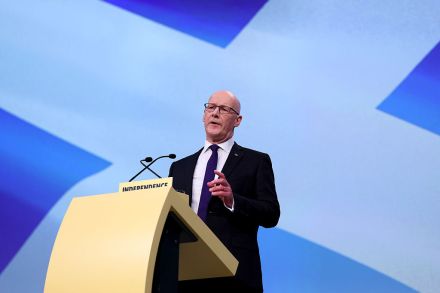
There was a feeling of relief in the air at the SNP’s conference in Aberdeen when, for the first time in years, organisers could accurately describe the main hall as full. The choice of the P&J Live was a risky one (and one, I was told, that is unlikely to be made again) given its expansive size makes everything else, including the crowd, seem pretty small. But a sense of cautious optimism persisted: First Minister and party leader John Swinney had stabilised the party after a torrid few years of infighting and police probes and, in part thanks to Nigel Farage’s effectiveness and Keir Starmer’s lack thereof, the party was back to polling well ahead of Labour.

Is anyone listening to the Scottish Tories?

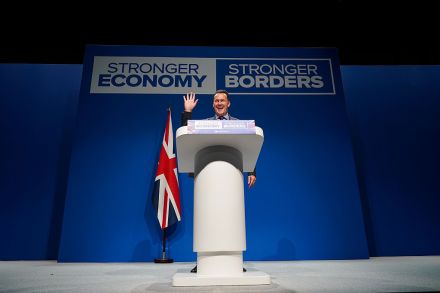
There may have been a decent turnout of both youthful Tory members and elderly cardholders at this year’s Conservative party conference in Manchester, but it was the missing group in the middle that made all the difference. The crowds were significantly slimmed down without the corporate types, with parts of the venue ghostly quiet by mid-afternoon. And the party could have done with more support from its elected representatives: despite the Holyrood election being just seven months away, just a smattering of MSPs journeyed down from Scotland.

Whisper it quietly, peace in the Middle East?

15 min listen

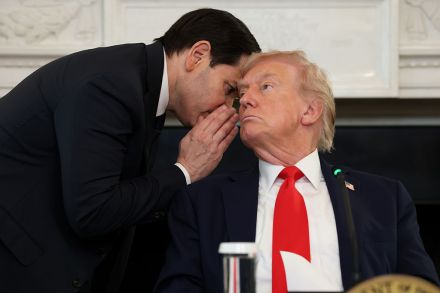
Donald Trump says Israel and Hamas have agreed to the first phase of his Gaza peace plan. During an extraordinary round table on the Antifa organisation last night, the US President was interrupted by Marco Rubio and given a hand-written message. He told those assembled at the White House: ‘I was just given a note by the Secretary of State saying that we’re very close to a deal in the Middle East, and they’ll need me pretty quickly.’ Details of the deal, including the finalised list of prisoners Hamas wants freed as part of an exchange, remain unclear. But the first part of the deal could be set in motion as soon as today once the Israeli government approves the plan at around 2 p.m. local time. Is he heading for a Nobel Peace Prize?

Finally we know what Badenoch stands for

10 min listen

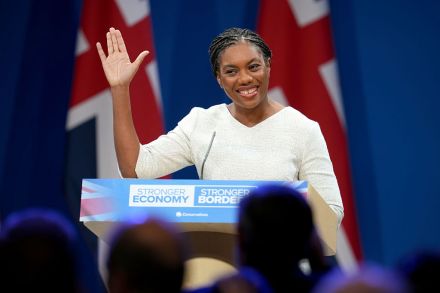
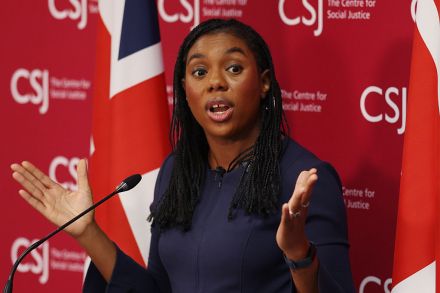
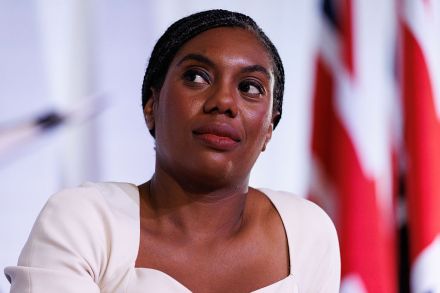
This morning Kemi Badenoch wrapped up Tory conference with a speech that will – for now at least – calm Conservative jitters. The Tory leader’s hour-long address in Manchester was intended as a rejoinder to critics of her leadership and she certainly achieved that aim. Having been accused of lacking spirit, imagination and vigour, Badenoch today demonstrated all three and gave an idea of what the direction of the party looks like under her. The main headline grabbing announcement was her plan to abolish stamp duty – a surprise ‘rabbit’ that sparked a standing ovation. Is she safe, for now? Lucy Dunn speaks to James Heale and William Atkinson.

Who’s listening to the Tories? Live from conference

39 min listen

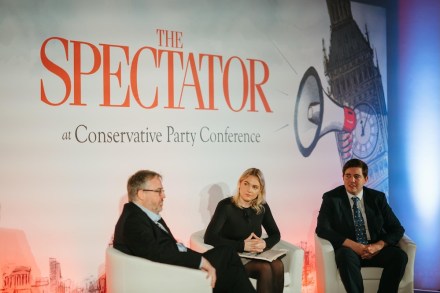
Tim Shipman, James Heale and Lucy Dunn record live at Conservative party conference in Manchester. What's the mood at conference – and has Kemi done enough to neutralise her detractors? Tim says he expects there to be no immediate leadership challenge but the Conservatives need to get real about the 'attention economy' they're faced with. What inspiration can they take from Tory grandee Michael Heseltine? And can they 'make conservative sexy again'? Plus, audience questions on the upcoming budget and the challenges for the Conservatives in both Wales and Scotland. Produced by Patrick Gibbons.

Exclusive poll: do the Tories have a leadership problem?

The Conservative party conference is in full swing and the Spectator is hosting a myriad of events across the next few days. This afternoon we hosted a panel conversation revealing exclusive Ipsos polling conducted for the conference. It revealed that ultimately the Tories may be down but they are definitely not out. The survey found that a majority of Brits believe that the Tories still have another general election win in them – while just 50 per cent felt the same about Labour, one of the more positive poll results for the Conservatives in months.  In more (relatively) good news for the party, more people think that Reform’s Nigel Farage would make a bad prime minister than a good one (42 per cent to 34 per cent) – although voters aren’t convinced by Kemi Badenoch.

Economy: can we trust the Tories again?

11 min listen

Tim Shipman and Michael Simmons join Lucy Dunn live at Manchester for Conservative party conference. It's day two, and we've heard from shadow chancellor Mel Stride, who unveiled various pledges including business rates relief and spending cuts. The Tories are clearly trying to position themselves again as the party of 'fiscal prudence' – but are people listening to them? As the team points out – whether through a lack of protestors or the speedy serving times at the conference bar – the convention centre is pretty quiet. Produced by Patrick Gibbons.

Why is Scottish Labour so upbeat?

Scottish Labour may be down but they’re not out. The polls have not been moving in their favour over the last few months and on the eve of Labour’s conference in Liverpool a Norstat survey for the Sunday Times brought more bad news: never mind losing out on first place at the 2026 Holyrood election, Scottish Labour could crash into third next year thanks to a surge in support for Nigel Farage’s leaderless tartan outfit. It would be a pretty humiliating state of affairs.  Yet despite all this, the mood in Scottish Labour is oddly buoyant, even upbeat. At the conference’s Scots Night, the Prime Minister made a quick cameo – bouncing into the soulless basement room to inform attendees that, no doubt about it, Anas Sarwar was going to be Scotland’s next first minister.

Kemi Badenoch’s plan to save the Tories

18 min listen

The Prime Minister was set to announce his crackdown on the existing rights of refugees at the European Political Community meeting today; however, he has flown back to chair a Cobra meeting after a terror attack in Manchester. Two people have been killed and at least two others injured after a driver allegedly rammed a car into pedestrians outside a synagogue and attacked them with a knife. The suspect, who was shot by police, is also believed to be dead. Also on the podcast, Tim Shipman interviews Kemi Badenoch for the magazine this week. As she enters conference season with the Tories running third in the polls behind Reform and Labour, she tells Tim that she is up for a fight.

PPE firm linked to Baroness Mone ordered to pay £122 million

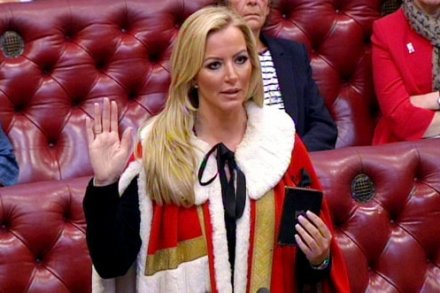
Today the High Court ordered a company linked to ex-Tory peer Baroness Mone to pay £122 million to the Department of Health for breaching an NHS contract during the pandemic. The company – PPE Medpro – was set up by a group led by the peer’s husband Doug Barrowman. During the pandemic, Mone recommended the company to the government through the ‘VIP lane’ on the same day it was incorporated – fast-tracking it to the top of a priority list for personal protective equipment (PPE) contracts.

Starmer: is Farage a patriot?

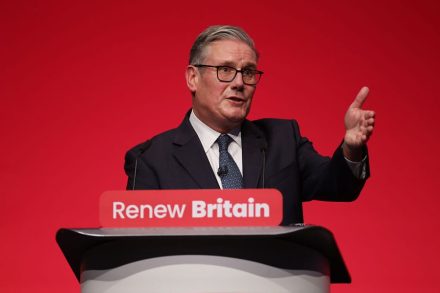
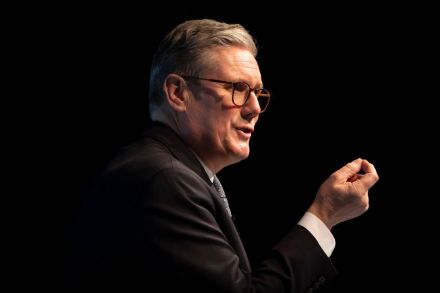
Keir Starmer’s keynote speech in Liverpool was punchier and more powerful than the Prime Minister’s usual interventions. The Labour leader announced that his party will scrap Tony Blair’s target that 50 per cent of children should go to university, replacing it with the aim of seeing two-thirds of kids get a degree or gold-standard apprenticeship. The PM told his party: ‘I don’t think the way we currently measure success in education… I don’t think that’s right for our times.’ Starmer has riled Farage Like many of his colleagues have throughout this conference, the Labour leader took aim at Nigel Farage and Reform.

Labour members back Burnham

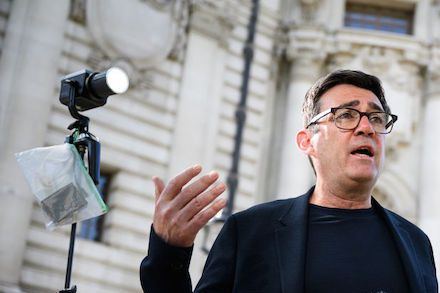
Labour mayors are stealing the limelight at Labour conference. As Sir Keir Starmer continues to struggle with staffing issues, policy positions and a prevailing surge in support for Reform UK, new polling for Sky News has revealed that six in ten Labour members would back Greater Manchester mayor Andy Burnham to be leader, with fewer than half of that proportion backing Starmer. When it comes to the deputy leadership position, No. 10’s favourite pick – Bridget Phillipson – also comes in second place with the membership, as more than a third would prefer ex-cabinet minister Lucy Powell. Burnham is significantly ahead of elected Labour MPs among the membership.

Labour conference: ‘a holiday from reality’?

11 min listen

Labour party conference has kicked off in Liverpool, and the Chancellor has just delivered her keynote speech. ‘Security, security, security’ was the message from Rachel Reeves as she addressed the Labour party faithful. The Labour government, she said, will create an economy that puts the British worker above all else. Aside from setting out her economic vision, she made time for a few jabs in Manchester mayor Andy Burnham’s direction and gave a nod to shadow education secretary Bridget Phillipson (should we take that as an endorsement?). Has she been taking notes from Gordon Brown? Elsewhere, the mood in the bars is much more buoyant than it was last year – although that has a lot to do with the absence of Sue Gray.

ID cards are back: will they work?

17 min listen

The Labour machine has whirred into gear to try and contain a certain Northern mayor’s mischievous interventions this week, by announcing a big controversial piece of policy. The news that ID cards – Tony Blair’s pet project – will be introduced has splashed all the front pages, demoting Andy Burnham to yesterday’s news. It’s a policy with broad public support, but with a passionate minority opposition including the leaders of the other major parties. The fact that it is being rebranded as a ‘Brit card’ with the aim of tackling the migration crisis has also ruffled a few feathers. Will it work politically? And, more importantly, will it work in practice?  Lucy Dunn speaks to Tim Shipman and James Heale.  Produced by Oscar Edmondson.
Starmer’s spin doctor quits in latest No. 10 departure

Another one bites the dust: Steph Driver, Keir Starmer’s head of communications, has announced she will leave No. 10 – making her the latest Starmer aide to quit. Driver was a loyal companion to the Prime Minister even before his election, spending five years as his chief of communications when he was in opposition. She became deputy director after Labour’s 2024 landslide victory before more recently being promoted to director of communications in Downing Street. Her resignation, which follows a period of bereavement leave, will come as a huge loss to the PM whom, it is understood, was one of many senior figures who tried to persuade her to stay on.

Starmer’s make-or-break conference

13 min listen

Labour conference kicks off this weekend in Liverpool – but the mood going in is far from triumphant. On today's Coffee House Shots, Lucy Dunn is joined by Tim Shipman and More in Common’s Luke Tryl to take the temperature ahead of Labour’s big set-piece. They discuss why some voters already see Starmer as ‘just as bad as the lot that came before’, and whether Labour can turn things around with new policies aimed at revitalising local communities – from saving libraries and pubs to giving residents more power over development. There is also a fascinating hypothetical poll in which an Andy Burnham-led Labour party outpaces Reform UK, turning a deficit into a narrow lead.

What is ‘Manchesterism’?

17 min listen

Andy Burnham, Manchester’s mayor and self-styled champion of the North, is openly flirting with a return to Westminster just days before the Labour Party conference. In a revealing interview, he outlined his 'Manchesterism' – a blend of business-friendly socialism and public control of essential services – though what that actually means remains unclear. Typically, he is full of inconsistencies, criticising Westminster and how it 'makes you look false', while openly seeking a route back. Does he see the irony? Meanwhile, Keir Starmer faces challenges on multiple fronts: his chief of staff, Morgan McSweeney, is embroiled in a controversy over nearly £740,000 of undisclosed donations to Labour Together, threatening to overshadow conference proceedings.

Farage goes after Boris

16 min listen

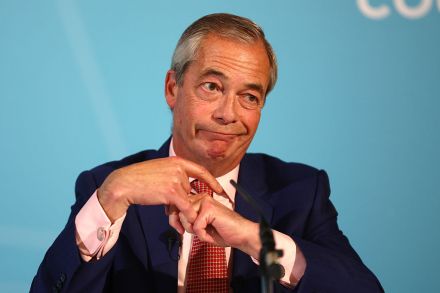
Nigel Farage has unveiled his most radical immigration plan yet – scrapping indefinite leave to remain for migrants – in a move designed to reverse the so-called 'Boriswave.' James Heale explains how this would affect hundreds of thousands already living in the UK, why the party claims it could save £250 billion, and whether any of it is remotely feasible. Meanwhile, Keir Starmer has formally recognised Palestine as a state, a decision hailed by many Labour MPs but criticised by others as diplomatically reckless. And, to round off a busy political Monday morning, the government has approved a second runway at Gatwick – but will it really boost growth before the next election? Lucy Dunn speaks to James Heale and Tim Shipman. Produced by Oscar Edmondson.