Kevin Dahlgren

Portland’s decriminalisation nightmare

In November 2020, Oregon passed Measure 110, decriminalising non-commercial drug possession. The state also significantly increased funding for recovery and harm reduction programmes. It sounded like a great plan to voters, so it passed with 60 per cent approval. The deadliest, most addictive drug in history was introduced to a vulnerable population just as the state decriminalised drugs What has occurred though over the last three years is nothing short of tragic. When Measure 110 passed, fentanyl was starting to take over our streets. For homeless addicts it began as a general curiosity, which quickly devolved into the widespread use of the deadliest drug in history.

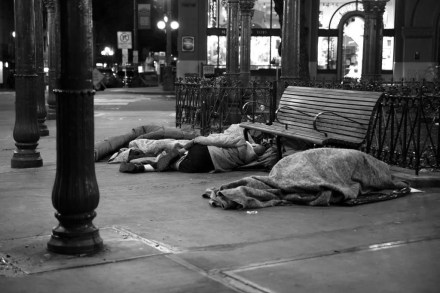
Homelessness in black and white

From our US edition

I stood across the street from Seattle’s City Hall, next to a long line of tents. There were more than fifteen of them, no more than a few feet apart. In between the tents, furniture and trash was piled high. The encampment took up the entire sidewalk, forcing pedestrians to walk in the street and triggering nonstop honking from passing cars. In a parking lot on the corner, people from a local mutual aid group stood at a booth, handing out food and water. They had signs making clear their views: “Stop the Sweeps,” “You sweep we strike,” “Fuck Capitalism,” “Equity now!” and “Smash Fascism.” This particular aid group were self-identified anarchists.

homeless

Red Rishi

39 min listen

On this week’s episode: Price caps are back in the news as the government is reportedly considering implementing one on basic food items. What happened to the Rishi Sunak who admired Margaret Thatcher and Nigel Lawson? In her cover article this week, our economics editor Kate Andrews argues that the prime minister and his party have lost their ideological bearings. She joins the podcast, together with Spectator columnist Matthew Parris, who remembers the last time price caps were implemented and writes about it in his column. We also take a look at the experience of being addicted to meth. What is it like, and is it possible to turn your life around after that? The translator Eva Gaida has managed it, and writes powerfully about her experience in this week’s issue.

Fentanyl is being laced to become even more deadly

In February on a snowy Wednesday, I met a homeless man named David standing outside a Safeway panhandling for money. He was wearing a white hoodie with the words ‘Portland State University’ printed on it and holding two empty beer cans and a remote control. I asked him what it’s like to be homeless in Portland. ‘I know how not to be homeless, but there’s a reason I am out here and something’s not right,’ he replied. He told me that when he gets housed, he often gets kicked out quickly and doesn’t want to have to go through the effort again. Something bad happened to him when he was a kid; when he goes indoors, he feels closed in and his ‘demons appear’, he explained. He started using drugs to hide the pain.

Fentanyl is wreaking havoc in America

I stepped through a hole in the chainlink fence surrounding Portland’s O’Bryant Square and saw four people nodded out and three smoking fentanyl. The man who had supplied them was standing nearby; he gave me a nod and continued with his business. Fentanyl is fifty times stronger than heroin and ruthlessly addictive Built in 1973, the park is mostly brick and concrete with its dominant feature a bronze fountain in the shape of Portland’s iconic rose. It was permanently closed and fenced off in 2018. The city blamed ‘structural issues’, but the real reason for closing the park was that it has long been a well-known place to use drugs. As a teenager in the late 1980s I used to skateboard there. As I practiced ollies, I often saw LSD and marijuana deals.