Not all portrayals of Sherlock Holmes hit the mark
From our US edition
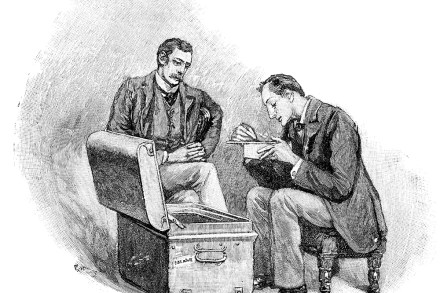
A great literary character, like a gemstone, has many facets. Sherlock Holmes looks different depending on where the light hits him: reasoning machine or bohemian creative, misogynist or white knight, disciplined professional or (in Dr. Watson’s words) “self-poisoner by cocaine and tobacco.” Film adaptations, of which there are no end, pick and choose their angles. Purists rush to tell us which onscreen Holmeses are valid and which travesty Arthur Conan Doyle’s creation. Occasionally the purists themselves betray Holmes, who had more going on than they recall. As for me, I’m purer than the purists. But when it comes to onscreen Sherlocks, I’m one big soft spot. Even by my liberal standards, Amazon’s recent streaming series Young Sherlock fails.