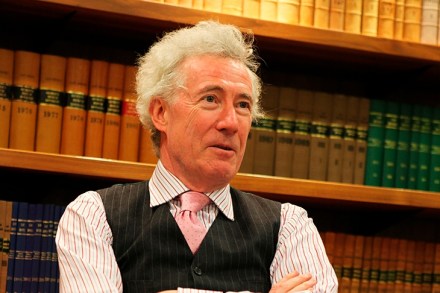
Joshua Rozenberg

Lawfare: how Starmer will govern through the courts

40 min listen

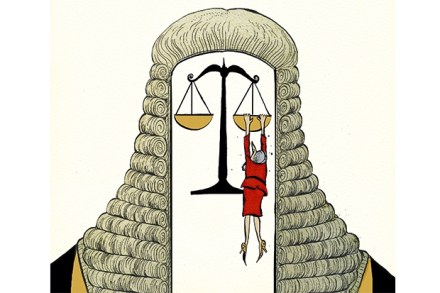
This week: Lawfare Our cover piece examines how Keir Starmer’s legal experience will influence his politics. Ross Clark argues that Starmer will govern through the courts, and continue what he describes as the slow movement of power away from elected politicians. As poll after poll predicts an unprecedented Labour majority, what recourse would there be to stop him? Ross joined the podcast to discuss alongside solicitor and commentator Joshua Rozenberg (02:15). Next: we’ve become accustomed to the police wearing cameras, but what’s behind the rise in bodycams in other industries? In her article this week, Panda La Terriere highlights the surprising businesses that have begun using them, but what are the implications for daily life and how concerned should we be?
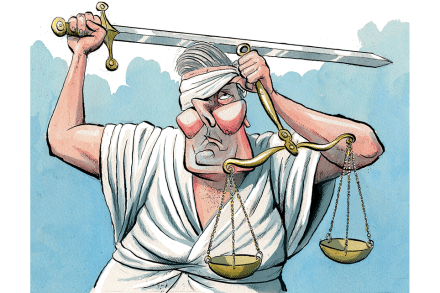

Why judges ruled against the Rwanda plan

It’s unusual – not to say uncomfortable – for the most senior judge in England and Wales to be overruled by two of his colleagues. But that’s what happened this morning when the Court of Appeal stopped the government sending migrants to Rwanda. Lord Burnett of Maldon, the lord chief justice, agreed with the government. He thought that an agreement with Rwanda in 2022 – taken together with assurances from the Rwandan government – meant there was no real risk that asylum-seekers flown from the UK would be sent on to countries where they would face persecution or other inhumane treatment, which would contradict the Human Rights Act.

Despotic laws can — even should — be ignored, says Jonathan Sumption

Jonathan Sumption has developed ‘many strange habits over the years’, he tells us disarmingly, and one of these is to read the international press. ‘I read the French and German press most days, and sometimes the Italian and Spanish press as well.’ Some might think the retired Supreme Court justice was showing off. But these remarks were addressed to a group of German judges at the end of 2019. His message to them was that the British people might have been wrong to vote for Brexit — but they were not, as reported in the continental press, ‘at best naive and at worst mad’. That’s good to know.

Brexit in the balance

For once, a cliché is justified: the government’s appeal to the Supreme Court next week really will be a landmark case. The underlying issue could not be greater: the political future of the United Kingdom and its relationship with the European Union. The number of judges could not be greater either: 11 is the largest panel to have heard a single appeal, not just since the court was created seven years ago but since its predecessor was established in 1876. But perhaps the greatest issue at stake is the reputation of the judiciary, at a time when judges are under attack as never before. Nigel Farage had threatened a 100,000-strong march on the Supreme Court. He has since changed his mind, but there will be no shortage of drama.