Joanna Marchong

The property ladder is broken

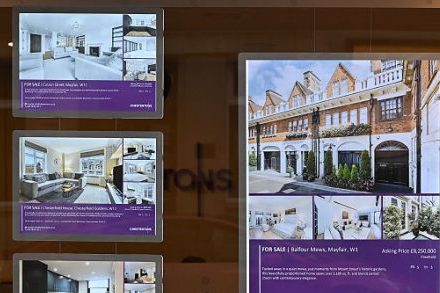
The failure to get on the property ladder used to be the modern-day bogeyman for young adults. It was used as a constant reminder for young adults to be good. Save money, stop eating avocados and drinking takeaway coffees so that they could someday climb the highly aspirational property ladder. God forbid you’re stuck renting for the rest of your life.  That being said, today is the 'cost of rent day' for everyone renting in London. Renters in London, up until today, have spent the first 152 days of the year earning nothing but their rent. And this number increases year on year. So, again, save as much as you can and buy. But if this generation ever had hopes of getting on the property ladder, they were sorely misguided. The fear factor was once that the ladder was hard to get on.

Will 2026 be Rachel Reeves’s year?

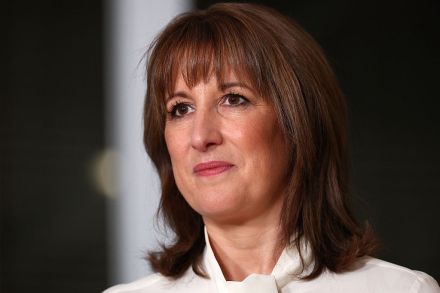
Rachel Reeves enters 2026 more unpopular than she has ever been before. YouGov polling from December has 71 per cent of Britons saying they have an unfavourable opinion of Britain’s first female chancellor. Reeves was meant to be a competent economist who could restore credibility to the Treasury and, in her words, ‘revive economic growth’. How’s that going? Reeve’s tenure in No. 11 has so far been more slapstick than good governance. Her CV unravelled under scrutiny; she broke manifesto commitments; she unveiled an appalling Budget, vowed never to repeat it, and then promptly did. Am I judging her too harshly? Am I being a misogynist? Reeves would probably say so. We should judge female politicians just as we do men: brutally.

No one wants to hear from the Tories

For a party long described as Britain’s ‘natural party of government’, the Conservatives have spent an astonishing amount of time recently behaving as if the electorate suffers from acute memory loss. Every crisis they now attempt to offer solutions to in opposition is one they helped engineer in government. Every principle they defend today is one they discarded yesterday. And every lecture on restraint or prudence is delivered with the tone of a headteacher whose school burned down on his watch. Take Send as an example. (‘Send’ stands for special educational needs and disabilities.

Does Farage know the difference between populism and a plan?

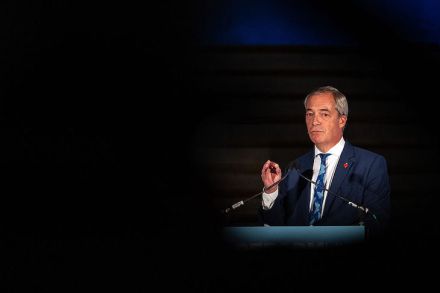
Gathered beneath the marble columns of the old Banking Hall in the City of London, Nigel Farage did what he does best. He assembled journalists, lobbyists, wonks and a few business representatives for another hour of gesticulations and clarifications. But this time was slightly different; here, there was talk of sensible reform alongside the usual messaging. Talk of ‘common-sense economics’, nods to tax, promises to put ‘Britain first’. Plenty of sound rhetoric, yes. But precious little sound policy. Reform shouldn't be a party of loud statements, here-today-gone-tomorrow policies and U-turns We left with a similar sense of deja vu: bold themes, grim but correct forecasts about Britain’s economic decay and little detail.  One idea, though, hardly fleshed out but familiar.

Meghan Markle’s TV show is a balm for desperate housewives

The Duchess of Sussex has achieved something quite remarkable. After the brickbats hurled at the first season of her Netflix show With Love, Meghan – the furious pro-monarchy outrage, the eye-rolling from critics, the memes that lampooned her syrupy anecdotes – many TV personalities would have flinched. They would have called consultants, tweaked the format, apologised by going in a ‘new direction’. Meghan Markle (or should I say Sussex) has done the opposite. Season two arrived last month: unchanged, unrepentant and every bit as twee as the first.  Like her homemade ‘jam’, that’s not to say it’s gone down well. ‘Painfully contrived’, ‘irrelevant meets intolerable’ and ‘tone-deaf’ were just some of the newspaper reviews.