James Forsyth

James Forsyth

James Forsyth is former political editor of The Spectator.

Why it’s not the 1990s all over again for the Tories

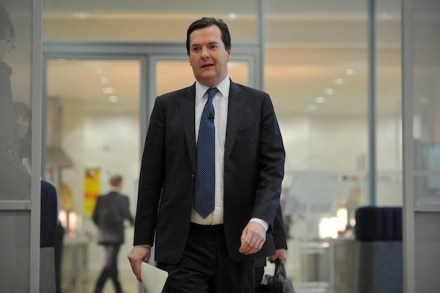
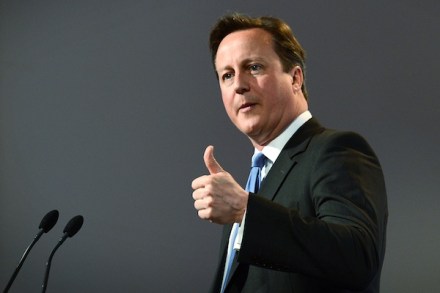
The last twenty four hours have been a reminder of David Cameron’s poise as a national leader. He has the ability to project a sense of resolve and calm. Before this vile attack in Woolwich, all the talk in Westminster was of Cameron’s difficult relationship with his own party. Despite a fortnight of good economic news, the headlines were all about Tory tensions over Europe and splits over gay marriage. To many Tories, including some Cabinet ministers, it feels horribly like the 1990s all over again. But there are two crucial differences with then. First, there’s been no Black Wednesday. However far off his deficit reduction plan he may be, George Osborne has never been forced to admit his economic policy is wrong.

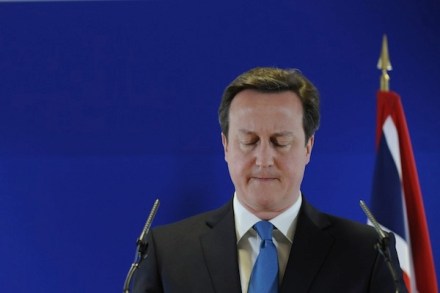
David Cameron is nearing crisis point

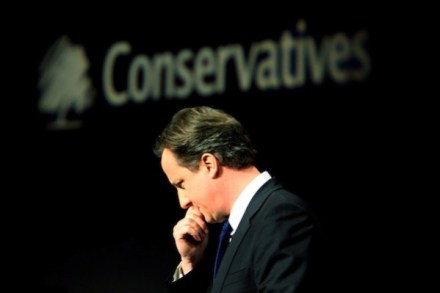
For David Cameron, Margaret Thatcher’s funeral must seem an awfully long time ago. Back then, all the talk was of a new Tory unity. He had found a way to connect with his troops. The party seemed to be rallying behind his electoral message. Labour, meanwhile, was caught on the wrong side of public opinion in the welfare debate. And there were signs that the economy was — finally — beginning to recover. Cameron’s position appeared stronger than it had at any point in the last 18 months. Three weeks later, he is undergoing the most profound crisis of his leadership so far. Tory unity has evaporated over Europe, gay marriage and whether the top brass think the membership are ‘loons’. All the pressure on Labour has lifted.

Woolwich attack: the aftermath

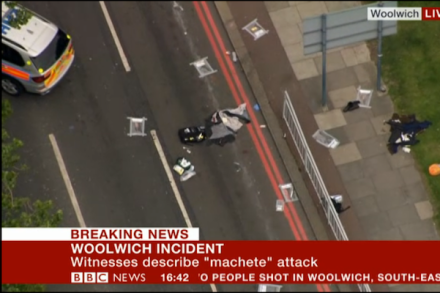
Westminster and Whitehall are tonight trying to assess the implications of the brutal murder of a soldier in Woolwich. It is clear from the vile rant made by one of the men that this was an act of terror inspired by the ideology of radical Islamism. But what is not yet clear if this was an example of self-radicalistion or whether the attackers had any links to established terrorist organisations. The security services have long worried about self-radicalistion. By its nature, it is far more difficult to detect and stop. If this was an example of self-radicalisation, then we are into a new phase of the struggle against terrorism. The BBC's Richard Watson has, however, reported chatter that one of the attackers was known to the police.

The chancellor survived the IMF report, but there’s another challenge ahead

George Osborne has got through the IMF’s report on the UK economy. It is far from a ringing endorsement of his approach but, as Isabel notes, its criticisms are couched in such opaque language that I doubt they’ll have much political impact. I also suspect that the Treasury is not unhappy about being told that it needs to get on with returning RBS and Lloyds to the private sector. Selling even a tranche of these bank shares before 2015 would be politically powerful, aiding the Tories in their attempt to argue that they’ve been clearing up the mess that Labour left behind. The next challenge for the Treasury is the spending review.

Gay marriage easily passes third reading vote in the Commons

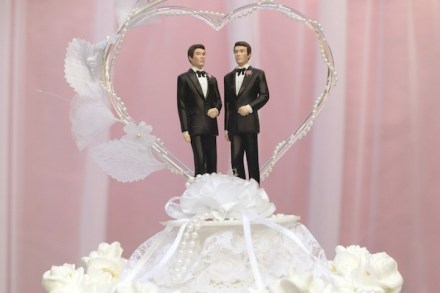
After all the parliamentary back and forth yesterday, gay marriage passed third reading by the comfortable margin of 366 to 161. Tory sources are briefing that fewer of their MPs voted against at third reading than second reading, though we’ll have to wait for the division lists to confirm that. We probably now have only a couple more Commons votes left on this; there’ll be on any amendments made to the bill by the House of Lords. The atmosphere in the House as the result was read out did not seem particularly historic. There was some clapping from the Labour front bench, but the Treasury bench didn’t join in and it rather petered out. But, I suspect, that in years to come this will be remembered as one of the more significant things that David Cameron did in office.

David Cameron should be out there making the case for gay marriage

David Cameron’s approach to the gay marriage debate inside his own party has been to take a low profile. The passion and eloquence he displayed on the subject in his first conference speech as leader, has been replaced by a strategy of keeping his contributions on the matter to a minimum. This is, I think, a pity. There is no better Conservative advocate of the case for it than the Prime Minister. The crucial point about Cameron’s position, and why he might have been able to carry some more socially conservative minded people with him, is that he starts from the position that marriage is one of the most important, and best, institutions in our society.

The Liberal Democrats, the natural party of government?

If four years ago, a Liberal Democrat politician had attempted to portray the Lib Dems as the natural party of government we all would have laughed. But that is just what Danny Alexander tried to do on The Sunday Politics. Being interviewed by Andrew Neil, he implicitly contrasted Lib Dem steadiness with Tory in-fighting. He said: “You know some people at the time in 2010 said that it would be difficult to keep a coalition going because one party might not be able to remain united and disciplined. Let me reassure you and your viewers that Liberal Democrats will make sure that this government continues to be strong and stable enough to be able to take the difficult decisions in the years to come, no matter what’s happening in other parties.

Top Tory calls party activists ‘mad swivel-eyed loons’

Insulting your own side is a dangerous thing to do in politics and in the current circumstances for any prominent Tory to do it is positively incendiary. But one ‘senior figure, who has strong social connections to the Prime Minister and close links to the party machine’ is quoted on the front of The Telegraph and The Times describing Tory activists as ‘mad swivel-eyed loons.’ Given the row the Tories have had over Europe and are about to have over gay marriage, the timing could hardly be worse. James Kirkup, Sam Coates and James Lyons — the three journalists who broke the story — have started a major row which, if Number 10 is not careful, could come to define the relationship between Cameron and his party.

What does Cameron actually want back from Brussels?

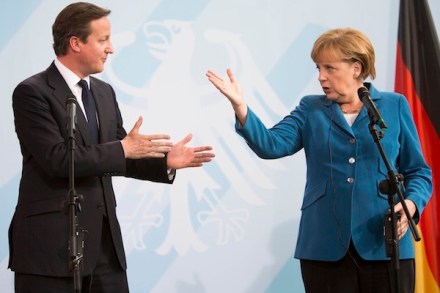
If you ask what’s the problem with David Cameron’s European strategy, a cacophony of voices strike up. But it seems to me that most of their complaints are tactical when the fundamental problem is strategic: what does Cameron actually want back from Brussels? Some of those involved in preparation for the renegotiation tell me that this is the wrong question to ask, that what Cameron is seeking is a systemic change in the way the European Union works. But I’m still unclear on what their strategy for achieving this is. One insider tells me that inside Number 10 they’re ‘terrified of detail’. One can see why. Nearly all Tory MPs can get behind renegotiation but they have very different views on how extensive it should be.

The secret of David Cameron’s Europe strategy: he doesn’t have one

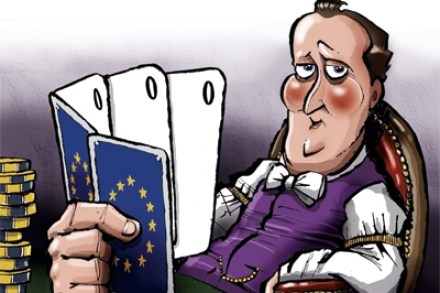
Shortly before the Conservative party conference last year, the head of the Fresh Start Group of Eurosceptic Conservative MPs went in to see the Prime Minister in Downing Street. The group had heard that David Cameron might make his big Europe speech at the gathering and its head, Andrea Leadsom, wanted to set out what to ask for in any renegotiation. When Leadsom returned from the meeting, her colleagues were desperate to know what the PM had said: which powers did he most want returned from the EU? What would be the centrepiece of his great diplomatic effort? All Leadsom could do was repeat what Cameron had told her: ‘I don’t like shopping lists.’ This sums up Cameron’s attitude towards this renegotiation: announcing it is enough for the time being.

Nick Clegg and Harriet Harman play a cautious game at PMQs

There was a rare moment of unity between the Tory awkward squad and the Whips at PMQs today. The awkward squad relished brandishing copies of a Liberal Democrat leaflet promising an In/Out referendum. CCHQ, for its part, has been keen to give this leaflet more attention. Clegg tried to dismiss it, but did he declare that a referendum on the EU is now a matter of ‘when not if’. A while back, Tory ministers used to feel rather guilty when their backbenchers took pop after pop at Clegg. But today the Tories on the front bench did not look at all displeased today when five Tory backbench questions attacked the deputy Prime Minister. The Tory leadership has concluded that the best way to unite the party is to encourage them to attack their coalition partners.

Will the draft EU referendum bill calm Tory tensions?

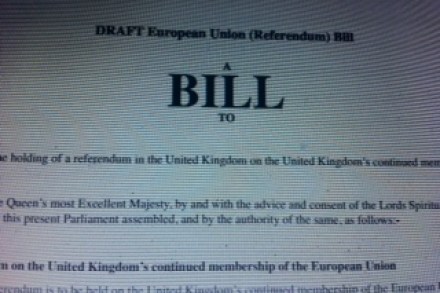
The last few days have seen the Tory party losing its collective head. Number 10 hopes that the publication of a draft referendum bill will begin to restore order. If this bill had been published by the leadership a week ago, it would have looked like a bold move. Today, it appeared panicky. But it is now out there, and any Tory backbencher who comes high up in the private members bill ballot on Thursday has a chance of guiding it through. I suspect if a vote could be won on second reading, the parliamentary dynamics of this debate would change yet again. What’ll be intriguing is to see how much the Tories campaign on this. David Cameron has already sent out an email to party supporters.

Barack Obama appears happy to help a leader in a spot of bother

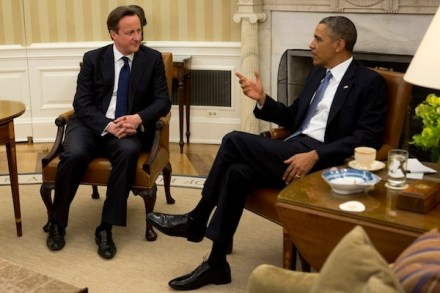
Barack Obama just threw a protective arm around David Cameron at their joint press conference, stressing that ‘you have to see if you can fix what's broken in an important relationship before you break it off '. The instant retweeting of this line by the Tory leadership’s communications channels  shows just how grateful they are for Obama’s verbal support for Cameron’s EU strategy. It is also worth noting, as they have gleefully tweeted, that Obama’s words also appear to be an endorsement of renegotiation as an approach. But does this actually matter? I suspect not. On this issue, Tory MPs are more worried about what their associations are saying and the concerns of their former voters than those of the President of the United States.

Gove: I’d vote to leave the EU if referendum held today

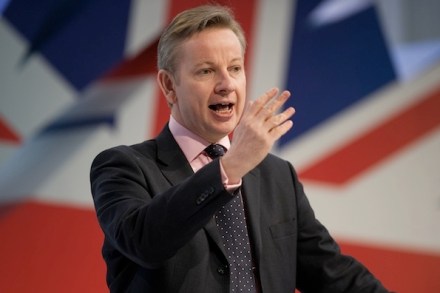
In a firecracker of an interview on the Andrew Marr Show, Michael Gove confirmed that if an EU referendum was held today he would vote out. But he followed this by saying to James Landale that he backed the Prime Minister’s plans to renegotiate and hoped that a satisfactory form of membership could be agreed. Significantly, Gove indicated that David Cameron would set out the Conservative ‘negotiating platform’ before the next election. This has been a key demand of Euro-sceptic Conservatives but one that Cameron has resisted. He is reluctant to provide anything akin to a renegotiation scorecard. Gove’s intervention changes the terms of debate.

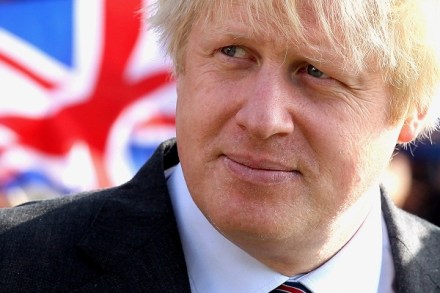
If Cameron is going to win in 2015, he is going to need a lot of help from Boris

One consequence of the local elections is that no Tory now denies that they need to win over UKIP voters to win the next election. How to do that, though, remains a subject of intense debate — last night’s 1922 Committee meeting with Grant Shapps discussed this point and ran massively over as a result. A large part of Nigel Farage’s appeal is stylistic. He is a technicolour character compared to the monochrome politicians of Westminster. He paints in primary colours rather than shades of grey. Now, Cameron can’t, and shouldn’t, ape this. He is not that kind of politician and would look inauthentic if he tried to be. But he needs someone to try and reach the voters that this approach appeals to. There is one obvious candidate for the job.

Why the Tories need their own Nigel Farage

There are two talking points in Westminster this week. One is about who is up and who is down following the local council elections. This finds the Cameroons privately pleased that the Tory party has largely kept its head despite the Ukip surge, the Labour side worried about whether they are doing well enough for mid-term and the Liberal Democrats relieved that their vote is holding up in their parliamentary seats if nowhere else. The other conversation is more profound. It is about why close to one in four of those who bothered to do their democratic duty last week voted Ukip. The rise of any new party is a statement of dissatisfaction with the existing establishment. But what is striking about Ukip is the diversity of its appeal.

MPs gear up for 2015 slugfest in Queen’s Speech debate

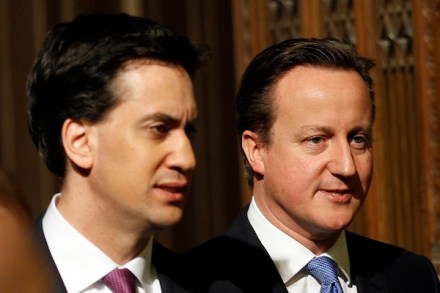
The Queen’s Speech debate is always a mix of MPs patting each other on the back and political combat. This year, in a sign that the next election is looming ever larger in the minds of the party leaders, there was far more of the latter than the former. Ed Miliband in his speech majored on what he considers to be Cameron’s weaknesses. He claimed that the PM had lost control of his party, was trying to ape Ukip and went on about the ‘millionaires’ tax cut’ and the poshness of the government. Miliband brushed off a string of pointed Tory interventions and had one particularly good joke, ‘they used to call Ukip clowns, now they want to join the circus.

What was Clegg’s priority in the last few hours of the coalition talks? Stopping a European renegotiation

The latest extracts of the Andrew Adonis’ book on the 2010 coalition negotiations couldn’t have been better designed to stir up Tory backbench bad feeling to Nick Clegg. Adonis claims that in the final phone calls between Clegg and Brown, the Lib Dem leader kept stressing—you’ve guessed it—Europe. Adonis reports that Clegg told Brown:  'Following our conversation this afternoon I’m basically finding out how far I can push the Conservatives on Europe. I genuinely take to heart what you said about that. We need some sanity on Europe. We can’t seek to renegotiate. I’m trying my best...' I think this illustrates two things. First, how ideologically committed Clegg is to the European project.

The Tory party holds its nerve – for now

The dust is settling from the County Council elections and, crucially, the Tory party seems to have stayed steady. Yes, David Davis has had a pop at the number of Old Etonians surrounding the PM and 20 MPs have called for a mandate referendum. But there is no sense of mass panic or revolt. Partly this is because David Cameron had already started doing the things he was going to be told to do after this result. As one Downing Street source remarks, ‘the shift is already well under way.’ He points to the tougher measures on immigration and welfare coming up in the Queen’s Speech and Number 10’s new efforts to involve Tory MPs in policy-making. Another thing steadying the Tory party’s nerves is that Labour did not do that well on Thursday.

David Davis and the Tories’ class war

To the relief of Conservative Campaign Headquarters, relatively few Tory MPs have taken the opportunity of the County Council election results to sound off. The most prominent exception to this rule is David Davis. Now, a DD intervention doesn’t have quite the same purchase as it used to—he’s made rather too many of them in recent years. But his comments are revealing of the huge amounts of class tension inside the Tory parliamentary party. He complains that the rebellions of Jesse Norman and Nadine Dorries have been treated differently because one went to Eton and one to state school. I suspect, though, that the actual explanation is that Dorries crafted hers to cause as much personal and political damage to the Prime Minister as possible.