James Forsyth

James Forsyth

James Forsyth is former political editor of The Spectator.

This referendum is now a battle between two visions of the future

George Osborne’s plan for this referendum was to turn it into a question of the future versus the past, for both the country and the Tory party. He wanted the voters to see the Out campaign as a bunch of people who wanted to take Britain back to a bygone era. Inside the Tory party, his aim was to have the talent and the ambition on the IN side with only old war horses and the passed over and bitter on the other side. But the events of the past 36 hours have blown this plan off course. Out now has one of the most popular politicians in the country on board in Boris, as well as one of the intellectual driving forces behind Tory modernisation and the party’s new social justice agenda in Gove.

Blow to Cameron as Boris backs Brexit

David Cameron used to always remind people who asked him about what Boris would do in the referendum that the London Mayor had never advocated Britain leaving the European Union. But tonight, Boris will do exactly that. He will become the highest profile politician to back Brexit. Boris’s decision shakes up this referendum campaign. The IN campaign have long seen a swing to IN among Tory voters as the key to them securing a decisive victory. They believed that Cameron and pretty much all the Tory party endorsing the deal would provide that. But they cautioned that if Boris went the other way, the Cameron effect would be pretty much cancelled out—and that is what has happened.

Contrary to what Cameron and Osborne say, Gove hasn’t been an Outer for 30 years

David Cameron and George Osborne have responded to Michael Gove’s decision to campaign for Out by saying that he has wanted to leave the EU for thirty years. But as Vote Leave are pointing out, Gove has not been an Outer for that long. When he was a journalist, Gove was actually arguing that Britain should, ultimately, stay in the EU. In 1996, he wrote in The Times that ‘It is still in Britain’s interest to stay in the EU.’ So, why are Cameron and Osborne saying that Gove has been an Outer for thirty years?

What was said at the EU referendum Cabinet

At Cabinet this morning, every minister spoke in strict order of Cabinet seniority. This meant that Michael Gove was the first person to make the case for Out. I’m told that his argument to Cabinet was essentially the same as the hugely powerful statement he put out afterwards, which you can read in full here. The theme of the Cabinet discussion was, broadly, the trade-off between sovereignty and access to the free market. According to one of those present, where you fell on that question determined your position in the debate. One IN supporting Cabinet minister tells me that Oliver Letwin was the most persuasive speaker for that side of the argument.

Exclusive: Sajid Javid to back staying in the EU

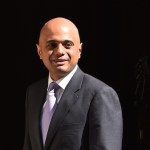
Sajid Javid will campaign for Britain to stay in the EU. The Business Secretary’s decision is a blow to the Leave camp which had been hopefully of recruiting him; Javid had spoken in the past of how he was ‘not afraid’ of Britain leaving the EU as it ‘would open up opportunities’. Senior figures on the Leave side had hoped that Javid would help them persuade voters that quitting the EU would not be bad for business. Those familiar with the Business Secretary’s thinking say that what has swung Javid to IN is his sense that it is just too risky for Britain to leave right now given the parlous state of the global economy.

Will more than half a dozen Cabinet Ministers back Brexit?

The Cabinet convenes this morning at 10am with, at least, six of those present set to back Out. The most intriguing of these Outers is Michael Gove. Gove is exceptionally close to Cameron and Osborne both politically and personally. He is one of the intellectual driving forces behind the Tory modernising project. But he is unable to back staying in the EU on these terms. Cameron claimed in his press conference last night that Gove had been an Outer for 30 years. I’m not sure that’s right. Friends say it was the experience of being a minister and finding out how much of government was just following what Brussels wanted to happen that tipped him over the edge. Gove won’t be the face of the Out campaign.

Cameron is now resigned to losing Michael Gove to the ‘Out’ campaign

[audioplayer src="http://rss.acast.com/viewfrom22/spectatorpodcastspecial-davidcameronseudeal/media.mp3" title="Isabel Hardman, James Forsyth and Fraser Nelson discuss the EU deal" startat=18] Listen [/audioplayer] As the EU Council meeting in Brussels drags on and on, the chances of a Cabinet meeting this evening are receding. But based on discussions I’ve had, the Cameron circle now seem pretty much resigned to losing Michael Gove to the Out campaign once the deal is done. If Gove has gone to Out, it will be a shot of pure adrenaline for the Out campaign. It will give it intellectual respectability and genuine Cabinet heft. The move will also confirm Gove’s status as a conviction politician. No one seems to know what Boris Johnson will do.

Will the big political beasts throw their weight behind Cameron?

David Cameron heads to Brussels today still not knowing which Tory big beasts he will have supporting him in the referendum campaign. The Cameron circle had always been confident that Boris Johnson would ultimately back staying In. But that confidence has been shaken by yesterday’s meeting between Boris and the PM. Part of the problem is that what Boris has always said that he wants on sovereignty is very hard, if not impossible, to actually deliver. If the Cameron circle is worried about Boris, it seems increasingly resigned to losing Michael Gove to the Out side. As I say in the column this week, an immense amount of emotional energy has gone into trying to persuade the Justice Secretary not to back Out.

Cameron’s first EU referendum battle: shutting up his own MPs

[audioplayer src="http://rss.acast.com/viewfrom22/putinsendgameinsyria/media.mp3" title="James Forsyth and Charles Grant from the Centre for European Reform discuss the EU referendum battle" startat=743] Listen [/audioplayer] On the day that David Cameron delivered his Bloomberg speech, the 2013 address in which he committed himself to a referendum on Britain’s EU membership, I asked a close ally of his how he would avoid splitting the Tory party over the issue, given that even quiet ‘outers’ might feel obliged to vote to leave. The ally paused before replying: ‘That would be a good problem to have, as it would mean we had won the election.’ That ‘good problem’ is now here.

What kind of Out campaign will David Cameron be faced with?

If all goes according to David Cameron’s plan, then the EU referendum campaign will be under way very shortly. Cameron himself will be the main figure on the In side of the argument. The Home Secretary Theresa May will also throw herself into the campaign, as Rachel Sylvester wrote this week. Another face of the effort to keep Britain in the EU will be Alan Johnson, the former Home Secretary, who is running the Labour IN campaign. The Remain side of the argument will, as the above list shows, be able to call upon a formidable amount of political firepower. But what is not yet clear is what kind of Out campaign it will face.

Which way will Gove go?

If all goes according to David Cameron’s plan, he’ll have his EU deal by this time next week. But Downing Street still can’t be sure of which Tory heavyweights will be with Cameron come the referendum campaign, and which won’t. Even more than Boris Johnson, Michael Gove is causing Downing Street angst. As I report in The Sun today, Gove is ‘definitely wobbling’ according to one Downing Street source. Downing Street think the chances of him backing Out have increased significantly in the last 10 days or so. Gove himself has been telling people that he won’t make a decision until the deal is done. But those around him are now preparing for Gove coming Out.

Lies, damned lies and the EU

[audioplayer src="http://rss.acast.com/viewfrom22/thenextrefugeecrisis/media.mp3" title="James Forsyth and Fraser Nelson discuss the PM's argument for staying in" startat=763] Listen [/audioplayer]It is normally in the final, frantic days of a campaign that a multitude of dubious claims are made. But when it comes to the EU referendum, this has begun before the date of the vote has even been set. We’re told that anti-terrorism measures would be damaged by a British exit from the European Union, that migrant camps would sprout up in the garden of England and Six Nations rugby would never be the same again.

PMQs: Has Labour given up on opposition?

A walk in the park for David Cameron at PMQs this week. Jeremy Corbyn asked six questions on housing, but they were all too long and lacked any edge: they were the opposite of forensic. Cameron simply batted them away and rattled off a list of what he had done and the supposed failings of the last Labour government. Even Corbyn’s tactics of sourcing questions from the public backfired on him this week. As he talked about an email he had received from Rosie the House fell about — assuming it was a reference to Rosie Winterton, the chief whip, who is known not to be her leader’s biggest fan. Angus Robertson, who can normally be relied upon to put Cameron under more pressure than Corbyn, didn’t have a successful outing either.

Who will be out for Out?

[audioplayer src="http://rss.acast.com/viewfrom22/fightingovercrumbs-euroscepticsandtheeudeal/media.mp3" title="James Forsyth and Vote Leave's Stephen Parkinson discuss Euroscepticsm"] The Leave campaigns continue to bicker with each other in increasingly absurd fashion, but it would be wrong to think that everything is going the In campaign’s way. Number 10, as I write in The Sun today, have been taken aback by the sheer scale of the hostility to the deal. There have been some very tense meetings in Downing Street this week. Cameron himself is, I understand, acutely aware of how volatile the situation is and how quickly the referendum could turn. But those around him are more confident.

Does the UN not realise that Julian Assange has detained himself?

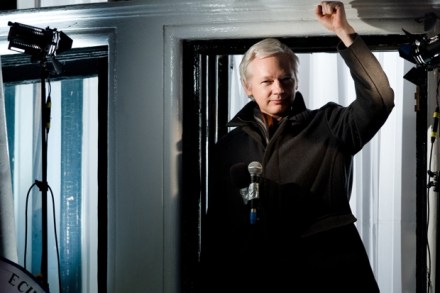
Even by the high standards of the UN, its report on Julian Assange is ridiculous bordering on comic. The BBC is reporting that the UN Working Group on Arbitrary Detention will find that he has been ‘unlawfully detained’. This is patently absurd as the only person detaining Assange is Assange himself. He is free to leave the Ecuadorian embassy at any time. Now, if he did so, he would be arrested. But staying in hiding to avoid arrest is completely different from being detained by the state. But the UN panel seems to have missed this. The Assange spin machine has been in full operation today, with the BBC blasting out that he would accept arrest if the UN report found against him.

Fighting over the crumbs

[audioplayer src="http://rss.acast.com/viewfrom22/fightingovercrumbs-euroscepticsandtheeudeal/media.mp3" title="James Forsyth and Vote Leave's Stephen Parkinson discuss Euroscepticsm"] Listen [/audioplayer]Eurosceptics could hardly have asked for more favourable conditions for a referendum. After barely surviving a financial crisis, the European Union has been overwhelmed by an immigration crisis — one made much worse by its failure to control its own borders. The European Commission seems determined to make itself even more unpopular in Britain, and is considering whether VAT should be levied on food and children’s clothes.

EU statement: Eurosceptic Tories strikingly civil to Cameron

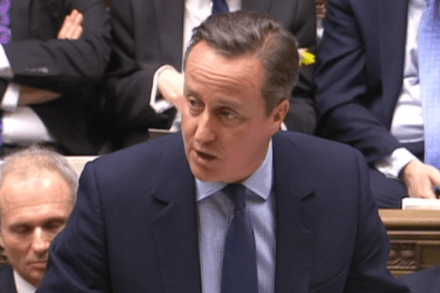
[audioplayer src="http://rss.acast.com/viewfrom22/fightingovercrumbs-euroscepticsandtheeudeal/media.mp3" title="James Forsyth and Vote Leave's Stephen Parkinson discuss Euroscepticsm"] The great confrontation between David Cameron and Eurosceptic Tory backbenchers did not materialise today. Instead, the tone of the questions following the Prime Minister’s statement was strikingly civil. Edward Leigh thanked Cameron for the fact that there was going to be a referendum, Steve Baker paid tribute to his negotiating effort and Peter Bone tried to recruit him to the Out side. Jacob Rees-Mogg, though, was more critical. He complained that the ‘thin gruel had been watered down’ still further and warned Cameron he had a fortnight to save his reputation as a negotiator.

Jeremy Corbyn is right: Cameron should have made his EU speech in the Commons

With David Cameron in Chippenham, it was left to the Europe Minister David Lidington to respond to Jeremy Corbyn’s urgent question. Cameron’s absence was poor form. Lidington manfully tried to claim that it was explained by the fact the government didn’t know when Tusk would publish the draft, but the media were only alerted that Cameron would give a speech in Chippenham after Tusk had said the deal would be announced at midday today. Number 10 is defending Cameron’s absence by pointing to the fact he’d already decided to give a statement to parliament tomorrow—once the MPs have had a chance to examine the deal.

Emergency brake breakthrough, claims Downing Street

[audioplayer src="http://rss.acast.com/viewfrom22/whysexmatters-thedeathofsportandistheeusinkingwhetherbrexithappensornot-/media.mp3" title="Isabel Hardman, James Forsyth and Fraser Nelson discuss whether the European project is in grave danger – regardless of Brexit happening or not" startat=1420] Listen [/audioplayer] Donald Tusk will not circulate the proposed draft UK/EU deal tomorrow. It had been thought that Tusk would put out a draft on Monday after final talks over supper with Cameron this evening. Instead, there will be further meetings between UK and EU diplomats, before Tusk decides whether or not to circulate a draft text to the other member states on Tuesday.

Downing Street expects draft EU deal to disappoint

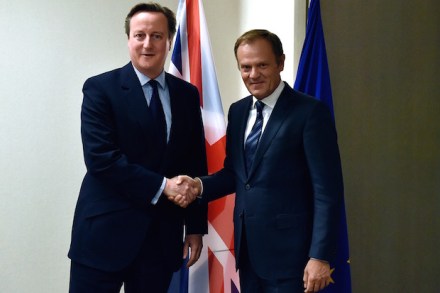
We are only days away from seeing Donald Tusk’s proposed text for the UK/EU deal. The President of the European Council is expected to circulate a draft early next week following his Sunday night supper with David Cameron. But, as I write in The Sun this morning, Downing Street is keen to stress that the publication of this draft doesn’t mean that the renegotiation is over. They are adamant that Cameron will have a chance to toughen up the terms at the European Council on February the 18th. Cameron’s problem is that he would like a deal at the February Council, so that he can have a referendum in June. But the more EU leaders think he wants a quick deal, the less they will be inclined to give him.