James Forsyth

James Forsyth

James Forsyth is former political editor of The Spectator.

The battle for Labour’s soul

From our UK edition

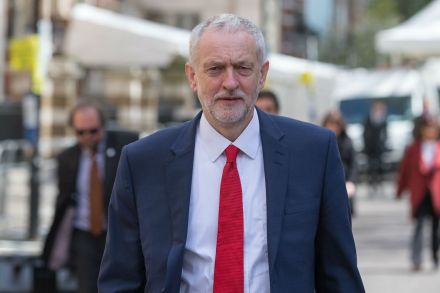
Normally, when we talk about a party being in ‘crisis’ we are really referring to a policy dispute or a bad set of election results. But the crisis currently engulfing Labour is far more serious than that. It is about the party’s very soul, I argue in The Sun this morning. The events of this week have demonstrated that Labour has a serious, and growing, problem with anti-Semitism. One of the party’s newly elected MPs has been suspended for making anti-Semitic comments and the party’s former Mayor of London has been suspended from the party after a bizarre and distasteful attempt to link Hitler and Zionism. But Jeremy Corbyn has been reluctant to accept that there is a problem.
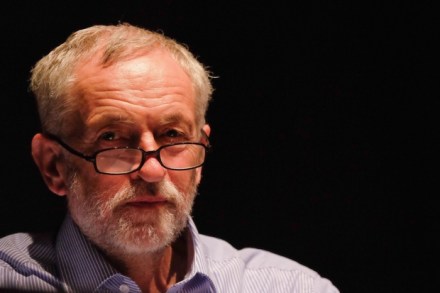
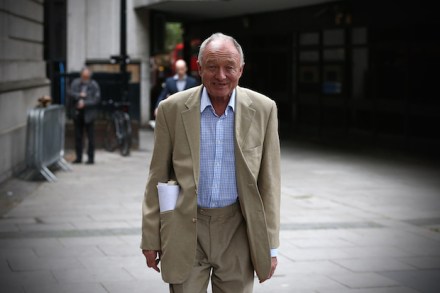
Jeremy Corbyn must now confront Labour’s anti-Semitism problem

From our UK edition

What is being said by senior figures in the Labour party about anti-Semitism at the moment is as depressing as it is jaw dropping. On the Today programme this morning, the Labour MP Rupa Huq—who went to Cambridge University—tried to play down the whole Naz Shah issue. She argued that sharing these kind of vile posts on Facebook was no big deal and not much different from her mocking Boris on Twitter for getting stuck on a zip-wire. She said that Shah had been subject to ‘trial by Twitter’. If this was not bad enough, Ken Livingstone then went on BBC London to say that declaring that the ‘Jews are rallying’ is not anti-Semitic. If this was not offensive enough, he then argued that Hitler supported Zionism before he ‘went mad’.

Elections? What elections?

From our UK edition

[audioplayer src="http://feeds.soundcloud.com/stream/261189280-the-spectator-podcast-the-wrong-right.mp3" title="James Forsyth and Fraser Nelson discuss May's elections" startat=555] Listen [/audioplayer] Britain goes to the polls next week. Yet this has barely registered on the media radar. These aren’t the forgotten elections; they are the ones nobody’s bloody heard of. This is surprising, because they have real political significance. North of the border, the Scottish parliamentary elections will almost certainly result in another overall majority for the SNP. But we might also see something no one would have predicted even two years ago: the Tories beating Labour into second place.

Jeremy Corbyn’s reluctance to suspend Naz Shah was revealing

From our UK edition

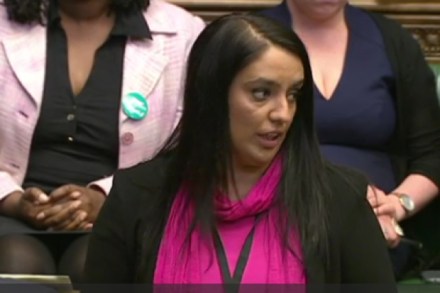
Naz Shah has now been suspended by the Labour party over the anti-Semitic comments she made before she became an MP. The statement from the Labour party says that Shah has been suspended by ‘mutual agreement’ between her and Corbyn. This comes just after Buzzfeed alleged that Shah’s apology for her remarks had been toned down by the Labour party, with references to the problem of anti-Semitism on the left removed. Shah’s comments reveal just how alarmingly widespread anti-Semitic views now are. Jeremy Corbyn’s initial refusal to suspend her indicated that he was not prepared to take this problem as seriously as he should, This suspension by ‘mutual agreement’, which has been dragged out of the leader’s office, does not change that.

PMQs: Jeremy Corbyn couldn’t repeat last week’s good performance

From our UK edition

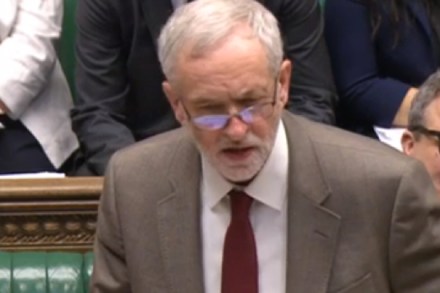
After his best performance as leader at PMQs last week, Jeremy Corbyn was back to his lacklustre self today. He again went on academies. But after having got Cameron to say that there would be a bill to make all schools academies in the Queen’s Speech, he failed to press on. By the end of Corbyn’s six questions, Cameron was visibly relaxed. Though, it was telling how the Tory benches go rather quiet when this subject comes up. Labour had a glimpse of what they could have had when Yvette Cooper questioned Cameron on child refugees. Cooper argued, passionately, that these unaccompanied child refugees in Europe are not safe and that Cameron’s position on the issue shames the Commons and the country.

Junior doctors should be completely ashamed by today’s strike

From our UK edition

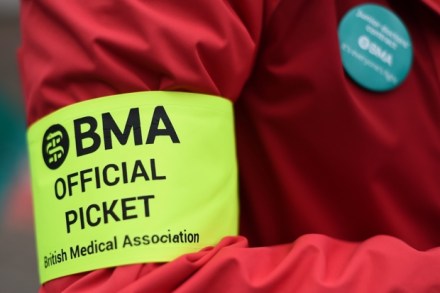
The junior doctors' strike that starts today has a strong claim to be the most selfish and irresponsible piece of industrial action in British history. They are refusing to carry out even emergency care between 8am and 5pm today and tomorrow. This walk out, the first all-out strike since the NHS’s creation, isn’t over some issue of high principle. It's about money. The main sticking point in their negotiations with the government is that Saturday shouldn’t be treated as a normal working day.

Theresa May has revealed she is a reluctant member of the In campaign

From our UK edition

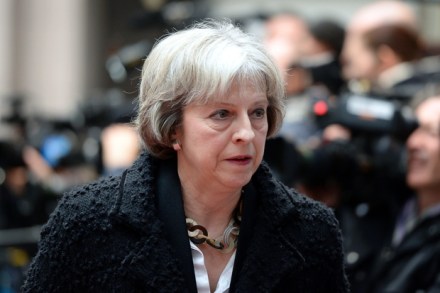
One of the worst kept secrets at Westminster is that Theresa May has a distinctly low opinion of Boris Johnson. As Home Secretary she has had more dealings with the Mayor of London than most Cabinet ministers, and there is clearly no love lost between the pair. When she decided to turn down his request to deploy water canons in London she didn’t do so via a discrete written ministerial statement, but by a statement in the Commons which Johnson himself had to sit through. So, there’s a certain irony that May has adopted the EU referendum position that many of Boris’s allies thought he would. She is for In, but with reservations and implicit criticisms of the renegotiation and the In campaign. The tone of May’s speech today was clear from the start.

Number 10 might be more confident than ever of EU referendum victory, but they’re still trying to load the debate dice

From our UK edition

Downing Street is more confident than it has ever been that the EU referendum will be won. It is not just Barack Obama’s full-throated warning against Brexit that is responsible for this, but—as I say in my Sun column this morning—the sense that they have got the argument back onto their home turf of the economy. Indeed, it was striking how much Obama talked yesterday about the economic benefits to Britain of EU membership and the single market. The fact that this was his main message, rather than Western unity against Putin and Islamic State, shows which argument Number 10 thinks is working.

Cameron’s heading for a hollow victory

From our UK edition

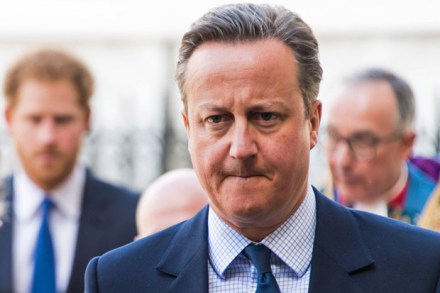
[audioplayer src="http://feeds.soundcloud.com/stream/260046943-the-spectator-podcast-obamas-eu-intervention-the-pms.mp3" title="Isabel Hardman, Fraser Nelson and James Forsyth discuss the PM's hollow victory" startat=511] Listen [/audioplayer]‘Nothing except a battle lost can be half as melancholy as a battle won,’ wrote the Duke of Wellington after Waterloo. David Cameron may well feel the same about referendums on 24 June. The EU debate is already taking a toll on the Tory party and his premiership. While defeat would be disastrous for him, even victory will come at a heavy political cost. Victory is, for now, still the most likely outcome.

PMQs: David Cameron brings up Sadiq Khan’s extremist links

From our UK edition

Today’s PMQs was a reminder that the old fashioned approach of detailed, forensic questioning on a single topic works best. Jeremy Corbyn delivered his best performance as leader of the opposition today, questioning David Cameron on why all schools will have to become academies. He skilfully exploited Tory splits over the issue. The relative silence from the Tory benches did nothing to shake the impression that this is a policy in trouble; which is a pity given that too many local authorities continue to exert a negative influence on education. https://www.youtube.com/watch?v=5aoadYkavwg But the most heated moment of the session came later when Cameron started talking about Sadiq Khan having shared a platform with extremists.

Government reserves the right to take military action without parliamentary approval

From our UK edition

One of the more significant constitutional innovations of recent times is the assumption that the government must get parliament’s permission before committing British forces to military action. This precedent, set with the 2003 Iraq vote, has been upheld by this government; it famously resulted in Britain not bombing Syria in 2013 following the use of chemical weapons in the civil war. There had been pressure on the government to formalise this new constitutional convention, to legislate that the government needs parliament’s permission before military action can be taken. But in a written ministerial statement today, the Defence Secretary Michael Fallon rejects that option.

Boris v Barack on Brexit

From our UK edition

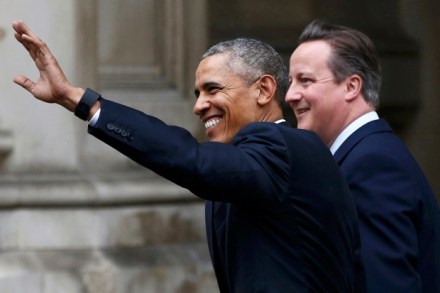
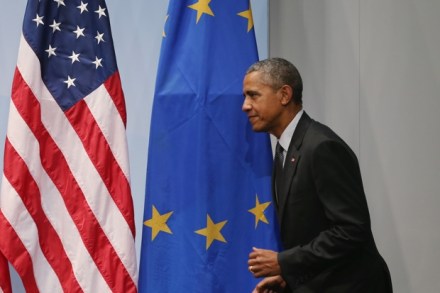
The US President flies into town next week to wish the Queen a happy 90th birthday and to encourage Britain to stay in the EU. Obama’s will be the most high profile, foreign intervention in this referendum yet. His message will be that it is in the interests of Britain, the US and the West for us to remain in the EU. But the Out campaign have their ‘Love Actually’ moment ready, as I say in my Sun column today. Boris Johnson will knock back Obama’s advice shortly after the president has spoken, pointing out—as he did in this BBC interview—that it is ‘nakedly hypocritical’ for the US to urge us to stay in an institution that erodes sovereignty in a way that they would find completely unacceptable.

Cameron’s plan for a graceful exit all hinges on the referendum

From our UK edition

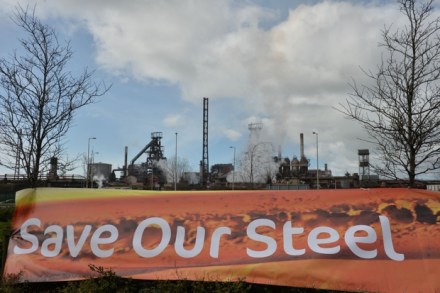
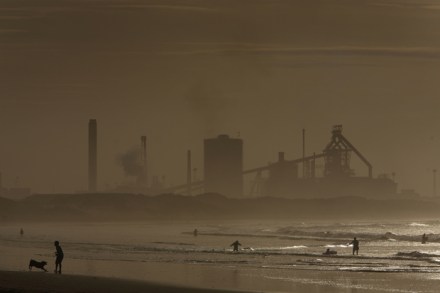
The year 2019 seems a long way away. Whether or not David Cameron can stay in office until then is this week’s hot topic of conversation among Tories. They wonder how many more weeks like the last two the Prime Minister can endure. Before Parliament broke up for Easter, the view among Cameron loyalists was that the Tory party needed a holiday. The thinking went that the recess would remove MPs from the Westminster pressure cooker and let referendum tempers cool. But this break turned out to be a disaster. The government spent the first week trying to get on top of the Port Talbot steel story and the second attempting to fend off the fallout from the Panama papers.

PMQs: Cameron mocks Corbyn for his late tax return

From our UK edition

This time last week, you would have expected PMQs to be rowdy and extremely difficult for David Cameron. After all, he was on the back foot on tax and steel. But today’s session was actually remarkably dry as Jeremy Corbyn asked worthy and technical questions on tax and Britain’s overseas territories. Strikingly, Cameron felt confident enough to repeatedly mock Corbyn over his tax return, which was submitted late. Cameron will, I suspect, be relieved that the tax debate is now one of policy detail. Not only does it take the personal sting out of the issue, but it makes it harder for it to continue to command public attention—I feel for the person who has to clip today’s exchanges for the nightly news.

Will the EU referendum be a fair fight?

From our UK edition

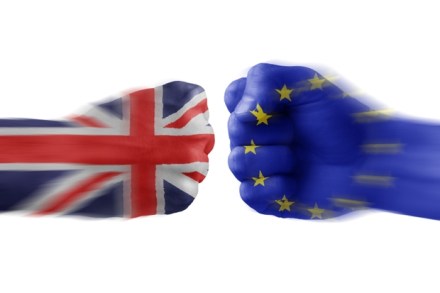
It is the most important decision that the Electoral Commission has ever taken: who to select as the lead campaign for Leave in the EU referendum. Three groups have applied for this designation. If the Electoral Commission gets it wrong, the referendum could effectively be over before it has even begun and the nation could be denied a proper debate and the chance to make an informed choice. The Electoral Commission’s decision is due this week. It is hugely important because whoever misses out on the designation will be limited to spending £700,000. The Trade Union and Socialist Coalition is unlikely, to put it mildly, to get the Electoral nod. So, the choice comes down to Vote Leave or Grassroots Out.

Has David Cameron’s tax debacle united the Tories?

From our UK edition

Yet again, David Cameron has reason to be grateful for the quality of the opposition facing him. First of all, Jeremy Corbyn took until Cameron’s statement to release his own tax return, meaning that journalists were studying that as much as his response in the House of Commons. Second, Corbyn’s own response was long on verbiage but failed to ask any difficult questions of Cameron. Finally, Dennis Skinner had John Bercow order him from the chamber for refusing to withdraw his use of the word ‘dodgy’ about Cameron, which rather reinforced the point that the case against Cameron is long on name-calling and short on specifics. https://www.youtube.com/watch?

Why has the government been so behind the curve on steel?

From our UK edition

This hasn’t been a good week for the government. As I say in my Sun column today, it has been oddly off the pace in its response to Tata’s decision to sell off its UK steel plants. We have had the absurd sight of the Business Secretary flying to Australia and then turning round and coming back again. What makes all this so odd is that everyone knew that Tuesday’s meeting of the Tata board was key to the future of these plants. Government insiders say that the government being caught on the hop is another example of how Number 10’s obsession with the EU referendum means that it is dropping the ball elsewhere. One Minister tells me that ‘Downing Street are totally distracted’.

Can anyone stop Boris?

From our UK edition

Most MPs greet the parliamentary recess with a sense of relief. But Conservatives are welcoming this Easter break like the bell at the end of a boxing match. They are exhausted, tempers must be cooled and they now have a fortnight to think about how best to stop their split over the EU referendum becoming something more permanent and debilitating. Some in the party have long hated their own colleagues more than anyone else ,and they have taken full advantage of the excuse the referendum offers for verbal violence. As one Cabinet minister admits: ‘The extreme 10 per cent on either side of the Tory party absolutely loathe each other.’ At times it has seemed like a bar room brawl in which decade-old scores are settled.

The government would not do more for the steel industry, even if the EU allowed them to

From our UK edition

Sajid Javid is the driest and most Thatcherite member of the government. So, it is no surprise that he is — rightly, to my mind — rejecting calls for the nationalisation of the steel industry following Tata’s announcement that it plans to sell its UK steel-making business. But the steel issue has now got caught up in the EU referendum, with the Out side pointing out that EU state aid rules limit what the UK government can actually do to help the steel industry. Now, personally, I doubt that the government would want to do more even if it was allowed to. Yet, some ministers keep suggesting that the government would do more if it could.

Cameron can’t just focus on the EU referendum

From our UK edition

Early on in his leadership, David Cameron was clear that he wanted the Tories to stop ‘banging on about Europe.’ But Europe—or more specifically, the EU referendum—is now dominating Cameron’s time so much that he is neglecting domestic policy. I report in my Sun column today that one of those intimately involved in the disability benefits cuts debacle and IDS’ resignation told me that ‘Cameron is completely obsessed by Europe, he has taken his eye off the ball’. Now, as David Cameron takes a break in Lanzarote, he would be well advised to reflect on whether he wants to carry on letting the EU referendum crowd out other government business.