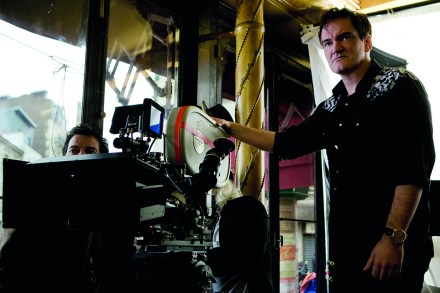
Quentin Tarantino’s iconoclastic obsessions
From our US edition
Quentin Tarantino’s inevitable first volume of film writing presents a challenge: how can an established artist, especially one this famous, pivot to criticism? No matter how insightful his opinions, it runs the risk of merely illuminating what he values as a filmmaker. To his credit, Cinema Speculation doesn’t pretend it’s not taking you through a highly personal journey of one man’s cinematic obsessions. The tone isn’t too far off from the hundreds of interviews he’s given for thirty years. References to his own films are common, and unlike serious critics, he can pepper his criticism with quotes from sources he can call at any time — from critics (Elvis Mitchell) to filmmakers (Walter Hill) to miscellaneous others (Robert Wuhl).