Isabel Hardman

Isabel Hardman

Isabel Hardman is assistant editor of The Spectator and author of Why We Get the Wrong Politicians. She also presents Radio 4’s Week in Westminster.

Cutting and running from Afghanistan

From our UK edition

MPs on the Defence Select Committee made a similar warning this morning about the UK's withdrawal from Afghanistan as Con Coughlin made in The Spectator last month. He wrote that Britain's 'attempt to undertake a dignified retreat from Kabul has all the makings of yet another Afghan disaster'. You can read the full piece here, but here are the main points that it makes, followed by the main warnings from the select committee's report: 1. Is the ANSF ready to take over? Because of a failure to defeat or reach a political settlement with the Taleban, the withdrawal plan depends on trusting Afghan troops 'who have already shown a worrying ability to switch sides'. Coughlin outlined a trend of 'green on blue' killings in recent months.

MPs line up to pay respects to – and criticise – Margaret Thatcher

From our UK edition

This afternoon's tribute debate in the House of Commons will continue until 10pm, with many MPs wanting to pay their respects to Margaret Thatcher. There will be many speeches about how the former Prime Minister inspired and shaped the politics of those speaking. But there will also inevitably be those who want to talk about the negative aspects of her legacy. Ed Miliband, who gave a measured tribute on Monday, faces the challenge of giving a speech that isn't insincere but that remains respectful too. Some of his MPs, such as John Healey, who has written a forceful piece for PoliticsHome, are boycotting the event. Others, such as David Winnick, say they will attend and criticise Thatcher.

Sir James Crosby gives up knighthood and vindicates the Banking Commission

From our UK edition

Well, that was inevitable. Sir James Crosby's announcement that he wants to give his knighthood back and forego a slice of his pension is surprising only in that it came a little sooner after the Parliamentary Commission on Banking Standards' report than everyone expected. He could have waited for a real public outcry to build, as it did with Fred Goodwin, but instead he's managed to walk off with a pension that's still £406,000 and perhaps a little dignity. Fraser argued last week that politicians are the ones who should be squirming over the banking crisis, but what Crosby's decision today shows is that the Banking Commission is wielding an impressive amount of power as it rumbles through its inquiries and reports.

‘No such thing as society’: what it means for today’s welfare debate

From our UK edition

Any Tories who might be asking 'What Would Thatcher Do?' about some of the political rows bubbling away today would surely wonder what her response to the current benefits debate might be. She kept well away from welfare reform, but she did have strong views on the role of government in helping people get on. Her notorious Woman's Own interview provided us with the greatest insight, and in much greater detail than the 'there's no such thing as society' line that everyone can quote. Here's a longer extract from the transcript (which you can read in full on the Margaret Thatcher Foundation website): 'I think we have gone through a period when too many children and people have been given to understand “I have a problem, it is the Government's job to cope with it!

Conviction politics: ‘What Would Thatcher Do?’ grips the Tory party

From our UK edition

Conor Burns, a close friend of Margaret Thatcher, gave a fascinating interview with Radio 4's The World at One today about his memories of the Iron Lady. Like so many accounts, it focused on Thatcher's disregard for opinion polls and focus groups. Burns said: 'I think it’s a failure of politics that looks too much at focus groups and too much at public opinion polls. Again, I remember last November showing her a poll in one of the Sunday papers and it showed that we were nine points behind, and she asked when the next election was, and I said it wasn’t for another two and a half years and she said: ‘that’s not far enough behind at this stage.

Tory Thatcher tributes will mark the next stage in battle for party’s soul

From our UK edition

MPs will pay tribute to Margaret Thatcher in the Commons tomorrow. One set of speeches worth listening to with some care will be those from the 2010 intake of Conservative MPs, raised during the Thatcher years, and often considered the group most enthusiastic about keeping her flame alive in the party. It is also likely that from this group will emerge the next Conservative leader. They are a confident bunch, bursting with ideas, books and essays about how to reinvigorate Conservatism. Paying tribute to the former Prime Minister will also be an opportunity for some of them to pay tribute to her policies, and perhaps her conviction in driving through policies that she knew were right, even when colleagues protested vehemently.

Margaret Thatcher: How the Left responded to her death

From our UK edition

In 1983, a Spectator piece argued that 'the most faithful followers of the Thatcher cult are to be found within the Labour Party'. Baroness Thatcher's passing was always going to be as much of a test for the Left as it would be a sad day for the Right. The Labour leadership knew this, and took care to craft statements and tweets which, while acknowledging the glaringly obvious political differences, praised Thatcher the woman. The party has suspended its political campaigning ahead of the local elections as a mark of respect. Ed Miliband's tribute in particular made clear that he had no sympathy with those in his party tempted to celebrate the death of the Iron Lady.

David Cameron makes the case for reform in Europe

From our UK edition

Germany has elections on the way, Spain is just about holding a lid on its economic crisis while keeping a wary eye on the uphill struggle that its neighbour Portugal faces to avoid a second bailout, and François Hollande has his own political crisis to deal with (and is apparently also mourning the death of a camel). So is now really the best time for David Cameron to pitch up in Madrid, Paris and Berlin to argue for reform of the European Union? The PM visits the first two cities today, with a meeting with Angela Merkel planned for later this week on the same topic.

Tories go on tax offensive

From our UK edition

It's 45p day in Westminster, and Ed Balls is trying to make the most of the end of a 50p rate his own party only imposed for a month or so before it left government. The story hasn't made it to the front pages, aside from the Mirror getting cross about Nick Clegg going on holiday with millionaires in a ski resort, and the Tories are also out on the attack over other changes which affect many more taxpayers than that totemic top tax rate. They've produced this series of posters reminding voters of the good tax bits of the Budget. This is important: one of the biggest gripes of even loyal Tory backbenchers and ministers is that the government is achieving radical reforms, but isn't all that good at selling them.

Over 100 Tory MPs demand EU referendum bill: exclusive details

From our UK edition

Tory backbenchers have written again to the Prime Minister demanding legislation guaranteeing a referendum in the next Parliament. Conservative MP John Baron delivered the letter, which bears more than 100 backbench signatures, to Downing Street this morning. While its existence was reported in the Sunday papers, Baron has now spoken exclusively to Coffee House about the letter's contents. I understand that though Baron and his colleagues working on the plan approached only backbenchers (and those include former ministers who left the government in September's reshuffle), a number of ministers and PPSs have also approached them to express sympathy with the idea, and there are several individual letters from PPSs going to David Cameron as well.

Momentum grows for EU referendum bill

From our UK edition

One other area besides immigration where Tory MPs want their leader to go further than he feels he can is, unsurprisingly, Europe. There is growing pressure within the party for the Prime Minister to get legislation on the floor of the House of Commons which would guarantee a referendum in the next Parliament. This is what Bernard Jenkin, who favours a referendum sooner than 2015, has to say: 'The Prime Minister's veto in 2011 gave his poll ratings a great fillip, but that veto was just ignored. They just decided to go ahead with the Fiscal Union Treaty anyway but without the UK. And the UK did not achieve any safeguards to protect UK banking and financial services which the PM was then demanding.

What Tory backbenchers want on immigration, and what the PM can give them

From our UK edition

David Cameron knows that immigration is an issue that bothers voters, and that the mainstream parties have snubbed it in recent years to their detriment. So his speech today is partly an attempt to regain ground from UKIP, which fought a campaign in Eastleigh that was all about immigration, bringing every gripe back to that. He also knows, as I explained on Friday, that Tory MPs are preparing for the first dedicated Commons debate on Bulgarian and Romanian migrants, and he wants to take some of the steam out of that by announcing clear measures to reduce the 'pull factor'. Those measures, which the Prime Minister will detail in a speech in Ipswich, include: Cutting access to benefits for non-UK nationals after 6 months.

Eddie Mair to Boris Johnson: “You’re a nasty piece of work aren’t you?”

From our UK edition

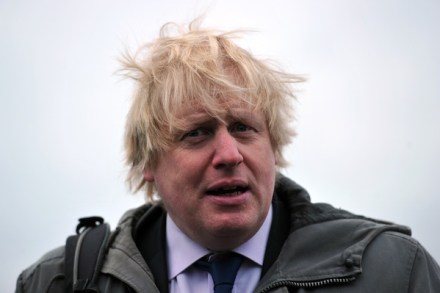
Boris Johnson makes a tricky interviewee. He's charming, vague, witty and able to turn the conversation to his advantage with his ornate language and humour. If all else fails, he does something with his hair. But today the Mayor of London met his match with the equally charming and witty Eddie Mair on the Marr Show. Mair confronted him not just with persistent questions about his ambitions, but also clips from this week's documentary on Johnson which appeared to show him discussing whether to hand over the details of a journalist to his friend Darius Guppy so Guppy could have him "physically assaulted." Mair then moved in for the kill.. "And you, having heard that, tell your friend that that you will supply the address. What does that say about you, Boris Johnson? Making up quotes.

Migrants debate looms as PM prepares immigration speech

From our UK edition

It's not just Nick Clegg who is having a good long think about immigration at the moment: David Cameron is as well. He's got a big immigration speech on Monday, which shows how spooked the parties are by UKIP that they feel they need to at least address the topic, even if they insist that they're not adopting Nigel Farage's terms of debate. As he writes his speech, Cameron will probably have in mind the looming problem of how many Romanian and Bulgarian migrants are coming to this country when transitional controls lift at the end of 2013. If he doesn't, he should, because that backbench debate from Mark Pritchard on this issue now has a date: 22 April.

Clegg aims for ‘sensible’ 2015 manifesto with immigration speech

From our UK edition

Nick Clegg gave his 'sensible' immigration speech this morning. He started off by agreeing with Labour's Yvette Cooper that politicians shouldn't enter an 'arms race of rhetoric', and then spent a considerable part of the speech either attacking Labour or backing a policy that his own colleagues had previously attacked: a security bond system for immigrants from 'high-risk' countries to cut down on people overstaying their visas. It's also a policy that Theresa May backs. And what he doesn't back anymore is the idea of an amnesty for illegal immigrants, which was a big Lib Dem policy in 2010. Clegg said: 'But despite the policy's aims, it was seen by many people as a reward for those who have broken the law. And so it risked undermining public confidence in the immigration system.

Why Scary Graphs help the Tory plotters

From our UK edition

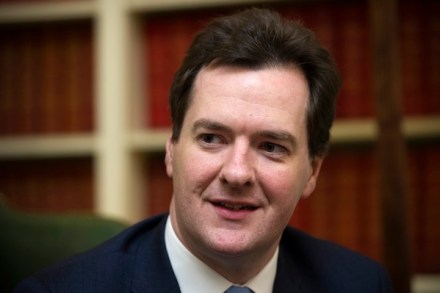
Without wanting to dwell too much on those Scary Graphs from the IFS yesterday, there's one political point that's worth mulling about the ones that charted the future of departmental spending. George Osborne knows that his 'pain tomorrow' approach means the years after 2015 are going to see even more cuts to public spending. He's not the only one: it's something that those Tory MPs who love a good plot believe is a key selling point for backbenchers who aren't involved in the Coalition in any way, such as Adam Afriyie.

Hacked Off says press damages plan is a mistake

From our UK edition

So the latest twist in the surreal saga of statutory regulation of the press is that the campaign group which had unparalleled access to the three parties hammering out a settlement in the silent watches of the night now thinks there's been a terrible mistake. Whoops! Hacked Off has put out a statement this afternoon which says the amendments to the Crime and Courts Bill approved by MPs on Monday night contain 'an accident in the drafting' and is now trying to change the amendments so that they won't impact bloggers and small publishers. You can read the full statement here, but this is the key section: 'The amendments are the work of Conservatives in government and not of Labour, the Liberal Democrats or for that matter Hacked Off. 'They have not been endorsed in any way by Hacked Off.

The never-ending fuel duty story

From our UK edition

One other point worth noting from today's IFS post-Budget briefing was the way the government has dealt with fuel duty over the past few years. Here's a table showing how things have worked out in Budgets and Autumn Statements: So now there isn't another fuel duty increase until September 2014. But when I spoke to Robert Halfon yesterday, he seemed pretty content to let the government off from now on, given they've 'done more than any other government in the last 10 years on this issue'. But as the Treasury Select Committee argued after the Autumn Statement, a medium-term strategy for fuel duty would make a great deal more sense, even if it prevented Chancellors in future years from producing a rabbit out of their hat for worried backbenchers. We didn't see that in this Budget, though.

IFS: Osborne’s austerity means more pain, not jam, tomorrow

From our UK edition

George Osborne's critics like to deride him as the 'jam tomorrow' Chancellor. But according to the post-Budget briefing the Institute for Fiscal Studies gave this afternoon, he's the 'pain tomorrow' Chancellor instead. It's not that things really aren't getting better, but that the bulk of the pain in terms of spending cuts and tax rises isn't just not over, it's not even here yet. The IFS team gave a series of presentations (in case you hadn't sunk into a pit of misery after Fraser's six scary graphs yesterday) showing that yesterday's Budget will lead to big tax increases and spending cuts from 2016 onwards. Paul Johnson, IFS director, said there was a 'heavy hint' that the consolidation needed would come from tax: 'There are other changes too which might frighten Whitehall departments.

Forget beer and petrol: will MPs debate monetary policy today?

From our UK edition

MPs are debating the detail of the Budget today, and will doubtless pick over some of the lines from George Osborne's round of interviews this morning, particularly the confusion over whether Help to Buy is available for those buying second homes. There are plenty of queries about whether the government's new mortgage plans are actually very wise at all. The debate will inevitably focus on the doorstep issues on taxes and cuts. But will MPs talk about one of the most important elements of yesterday's announcement? It wasn't on petrol, and it wasn't beer duty. It actually concerned monetary policy.