Helen Nugent

Don’t let cyber criminals steal your money – take steps to protect your finances

From our UK edition

It's the modern malaise: online fraud. In a world where so many of our transactions happen over the internet, it's little wonder that fraudsters have descended on the web in droves. The latest statistics paint a bleak picture. According to the Office for National Statistics, there were 11.5 million incidents of crime relating to computer misuse and fraud offences in 2016. That's cybercrime on an unprecedented level. Now new research suggests that more than one in ten Britons have had to cancel a credit or debit card in the past year due to online fraud. Comparethemarket.com says this reveals a worsening state of affairs, with the number of people cancelling cards rising from 4.5 million to 5.5 million since the research was last conducted in September 2016.

Dwindling pension funds plugged by workers’ wages

From our UK edition

A decade ago, while working for a national newspaper, I forced the then Labour government to release documents under the Freedom of Information Act. The papers showed that Gordon Brown defied repeated warnings from his own officials about the potentially devastating impact of this £5 billion-a-year raid on pension funds and went ahead with it regardless. Brown announced the scrapping of tax relief on dividends paid into pension funds in his first Budget in 1997 at a time when many funds were in surplus. It was the single biggest change to the system in a generation. By the time my story was published, the country's savers had been deprived of at least £100 billion. It was one of those stories which, in journalism parlance, 'has legs'.

The sun shines on retail sales

From our UK edition

When the sun shineth...go shopping. That's what we did in our droves during April, boosting retail sales by 4 per cent compared to the same month last year. According to the Office for National Statistics (ONS), anecdotal evidence from retailers suggests that good weather contributed to growth in sales, which increased by 2.3 per cent in the three months to April compared to a 1.4 per cent decline in the first quarter. And there's the fact that Easter also fell in April this year, prompting sales of furniture, golf equipment and motorbike accessories. Analysts were cheered by the data, which was beyond their expectations, but said the real test lies ahead.

Over-45s fear for retirement if the Tories reduce the state pension

From our UK edition

With the news dominated by the political parties' respective manifestos, there's a lot of information to digest. At the time of writing, the Conservatives are attempting to demolish Labour's economic pledges, the Lib Dems have pledged a second EU referendum, and the UK Independence Party is, well, who cares what UKIP is doing. At the heart of party policies for pensioners is the triple lock. This pension guarantee stipulates that the state pension will increase every year by the higher of inflation, average earnings or a minimum of 2.5 per cent.

Families under further pressure as earnings growth slows

From our UK edition

There's more doom and gloom for households today as new figures reveal the first decline in real earnings since September 2014. According to the Office for National Statistics (ONS), earnings growth slowed in the three months to March, at 2.1 per cent, compared to previous data which showed wages, excluding bonuses, grew at 2.2 per cent. This compares to inflation which jumped to 2.7 per cent in April. Meanwhile, the unemployment rate dropped to 4.6 per cent in the three months to March, and is now at its lowest rate since 1975. It was previously 4.7 per cent. It means that 1.54 million people are currently unemployed.

There’s a shed-load of valuables in your garden, but are you insured?

From our UK edition

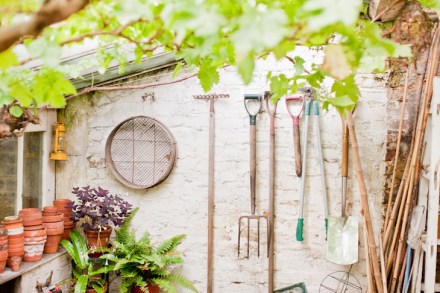
Ah, Chelsea. Or in my case, ah, Tatton. It's that time of year again when the Royal Horticultural Society revs up for its slew of annual flower shows, allowing us green-fingered enthusiasts the chance to seek out the lesser-spotted Titchmarsh and the perennially pleasing Monty Don. It's also a good time to do an inventory of our own gardens, not least the garden shed. You might not know it, but that building at the bottom of the lawn could be harbouring a shed-load of uninsured valuables. While a fair few sheds are home to nothing more than old pots, bits of string and rusty shovels, many are full of items that thieves would like to get their hands on.

Inflation at highest level since 2013

From our UK edition

There's bad news for households this morning following the news that inflation has soared to its highest level since September 2013. According to the Office for National Statistics (ONS), inflation is now at 2.7 per cent, up from 2.3 per cent in March. This is some way above the Bank of England's stated 2 per cent goal. A number of factors contributed to the rise, but the main driver was higher air fares. This was largely because the timing of Easter pushed up the price of flights. In addition, tax changes in the Budget added to inflation as did rising costs of energy and clothing. Meanwhile, the retail price index (RPI) measure of inflation, which includes council tax and mortgage interest payments, jumped from 3.1 per cent to 3.5 per cent over the same period.

House prices boosted by tram routes

From our UK edition

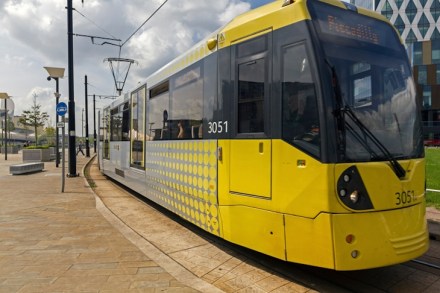
In the wake of Friday's international cyber attack, it was logical to assume that yesterday's complete shutdown of the Manchester tram system was another casualty of malicious ransomware. But bosses at Metrolink say the closure was due to a technical fault in the control network and has now been resolved. For a city that has come to rely on its trams, any glitch is incredibly disruptive, not least because the bus network - to the north of Manchester at least - is a shambles. However, when the Met is working, it's a convenient and efficient means of getting around, if a little pricey. And the multi-billion pound extension of what was once a straightforward replacement for outdated trains and tracks has had a beneficial impact on house prices.

Record fine for one of Britain’s worst cold callers

From our UK edition

I am immensely cheered by the news that one of the worst perpetrators of cold calling has been fined a record amount for making almost 100 million nuisance calls. The Information Commissioner’s Office (ICO) has issued its highest ever penalty of £400,000 to Keurboom Communications after more than 1,000 people complained about recorded – also known as automated – calls. The calls, made over an 18 month period, related to a wide range of subjects, including all the old chestnuts of road traffic accident claims and PPI compensation. Some people received repeat calls, sometimes on the same day and during unsociable hours. The company also hid its identity, making it harder for people to lodge a grievance.

Water, water everywhere: we spend £707 million a year fixing damage caused by our neighbours

From our UK edition

As I watched the water creep across the kitchen floor, powerless to prevent a mini tsunami, I had an inkling of how it must feel to be the victim of flooding or burst pipes. By the third time the water invaded my kitchen, I was at the end of my tether. It later transpired that the base of my washing machine had broken in two (apparently not an uncommon occurrence) hence the folly of replacing the washers and hoping for the best. While this was a problem fixable with a mop, a packet of kitchen roll and a new appliance, it brought to mind the multitude of horror stories told by friends and family over the years. From neighbours' leaking toilets and radiators to dodgy showers and baths, many of us can recall water damage to our homes made through no fault of our own.

Do we trust politicians to solve our financial problems? Of course not

From our UK edition

Do we trust politicians? Is that the same as asking if we trust estate agents, door-to-door salesmen or, er, journalists? According to new research by Comparethemarket.com, consumers overwhelmingly believe that the main political parties and their leaders do not understand the financial anxieties of ordinary people and that the next government will not have the ability to introduce measures to improve their financial situation. The research, based on a poll of more than 6,000 UK adults, found that more than a third of people feel worse off compared to the last election in May 2015. Almost nine in ten respondents believe that this is the fault of policies implemented by the current government.

Banks are failing to help customers slipping into the red

From our UK edition

I'm in one of those moods. The one where I'm beset by delusions of adequacy, I can't work up the energy to pretend I like people, and every email is filled with doom and gloom and stories of bad behaviour. Which brings me to today's missive from the comparison site uSwitch. According to new research, consumers have been stung with more than £300 million in unarranged overdraft fees by banks which prevent them from opting out of this costly system. I know, banks are (for the most part) upfront about charges for unauthorised overdrafts. But that doesn't make the stats any less startling.

The Bank of Mum and Dad is now the ninth largest lender in the UK

From our UK edition

As lenders' names go, The Bank of Mum and Dad is rather appealing. There's instant brand awareness, the prospect of small or non-existent interest rates, and the likelihood that financial negotiations will end with a hug and a few happy tears. I'm a member of this institution. When I moved back up North following 14 years in London, I found the perfect house outside of Manchester. But I couldn't sell my flat in the capital and was leaking money left, right and centre. A bridging loan was out of the question, as was anything resembling a deposit. So my Dad stepped in, loaned me a sizeable sum, and it all ended happily. That was seven years ago. I'm still in the property I bought with my father's help and my London pad is a distant memory.

Scrapping the pension triple lock would be bad news for pensioners – and the Tories

From our UK edition

The wrangling over key policy areas in the upcoming general election has begun in earnest. If you're already tired of the political argy-bargy, don't worry, there's only, ahem, six weeks to go. Stay with me though, because there's one topic in the personal finance arena that really, really matters. The triple lock state pension guarantee. With the Prime Minister understood to be considering replacing the triple lock with a less generous double lock, and the Labour Party on record saying it will keep the triple lock until 2025, this issue goes to the heart of the parties' attitude to pensioners. Meanwhile, the Liberal Democrats said in their 2015 manifesto that it should be written into law. What is it?

What’s happening in the world of personal finance? Spectator Money takes a closer look

From our UK edition

On any given day, there's a slew of personal finance stories. The most eye-catching are the ones that make it onto the BBC's radar, appear on Sky News, are printed in the pages of the national press, and pepper the best-read financial websites. Today we're all hearing about energy firms' opposition to a Conservative pledge to cap bills, worries over household debt, government borrowing, and potential fraud at a couple of top-flight football clubs. But what else is happening? Here's a flavour of the financial agenda. Pension freedoms HMRC has issued its pension freedoms statistics for the first three months of 2017. The data shows that UK consumers withdrew £1.59 billion in the first quarter, and a total of £10.

It’s time qualifications for estate agents became mandatory

From our UK edition

I'll never forget the estate agent who tried to flog me my first flat. As I waited on the kerb in North London, he roared up in a Mercedes-Benz convertible, bling glittering from his hands and neck, a belt emblazoned with the word 'STUD' and a knuckle tattoo that can't be shared in a respectable publication. I was new to house-buying but even this struck me as a bit odd. I soon came to learn that a spotty teenager with a souped-up car and a penchant for gold jewellery isn't that unusual in the estate agent game. Since then, I have dealt with agents who know what they're doing and conduct themselves admirably. But I'm always alert to the fact that this is a profession that requires no qualifications and no experience.

Hold the front page: energy providers are against plans to cap bills

From our UK edition

I am inundated with press releases, emails and phone calls from PRs, all wanting to talk about their clients, the latest piece of 'ground-breaking' research or a news story so innovative that not to publish would have disastrous consequences. While some of these communications are useful and thought-provoking, a fair few are, to use the vernacular, total pants. In journalism, we have a number of phrases to describe these releases, from 'no shit sherlock' to 'night follows day'. Decorum prevents me from mentioning the other, swearier, descriptions. It's safe to say that Scottish Power's response to Conservative plans to cap energy prices falls into the 'night follows day' news category. Wait, a big six energy provider thinks maximum price caps are a bad idea? Hold the front page!