Fred De Fossard

Fred De Fossard is the Director of Strategy at Prosperity Institute.

The NHS myth is cracking

Despite soaking up more than £200 billion of taxpayers’ money per year, the NHS and health policy more widely are two areas which have gone ignored. Since the coalition government’s half-baked reforms, Britain’s approach to health policy can be summarised as: give the NHS money and hope for the best. This approach is running out of road. Over the last few years, the NHS has faced unprecedented pressure. A combination of bad winters and the shocks of the pandemic have left it in a poor state, with high waiting lists and demoralised staff. Clearly something isn’t working. The current government has continued where the Tories left off, papering over the cracks. Something has to change. But what?

Reform has changed the conversation on immigration

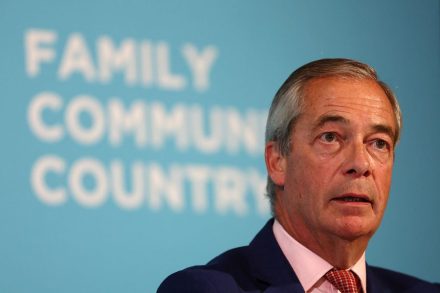
Last week, Reform UK announced the most radical proposal on overhauling immigration by a mainstream political party in a generation. Under their new plans, migrants in the UK with indefinite leave to remain (ILR) would have to reapply for residency and would lose access to welfare benefits, unless they qualify to become British citizens. This is a British-preference immigration and welfare policy, the likes of which we have not seen since at least 1997. It is intended to avert the fiscal and social implications of giving permanent welfare access to the wave of migrants who entered the country after 2021 – the infamous 'Boriswave' – which saw net migration surpass 900,000 in 2023. But the policy may also affect those who arrived before then.

Climate change is not a matter for human rights law

We have debated for years whether Britain’s continued membership of the European Court of Human Rights threatens our national security. This ruling means that it will threaten our prosperity and democracy as well.  The ECHR has said that climate change policy is a human rights matter. The Court ruled that Switzerland – a signatory, like the United Kingdom – had ‘failed to comply with its duties under the Convention concerning climate change’ and that it had violated the right to respect for private and family life. This ruling followed a case brought by a group of elderly Swiss women, who claimed that the Swiss government’s supposed failure to tackle climate change threatened their human rights.