Fraser Nelson

Fraser Nelson

Fraser Nelson is a Times columnist and a former editor of The Spectator.

We need a Zac’s law: MPs who trigger a by-election should not be allowed to stand again

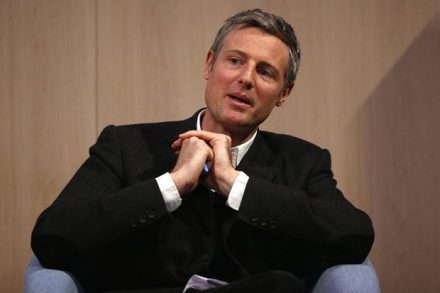
Even I can’t say I’m upset that Zac Goldsmith has lost his seat. For the last few days, now, my journey into work has been an assault course created by cheery Liberal Democrat activists campaigning in Richmond - they earned their victory. Not once did I see anyone campaigning for Zac Goldsmith. Not that I wanted to see any of them:  this whole by-election was an elaborate hissy fit by Zac. Voters were being used as political props, to add extra theatricality to his flouncing out of the Tory Party. If he wanted to resign the whip to fight Heathrow, he should have done so. But to resign his seat and stand again put everyone to the trouble of having to vote again – it was an act of self-indulgence that was rightly punished by voters.

Why wait for Merkel? Theresa May should guarantee the status of EU nationals now

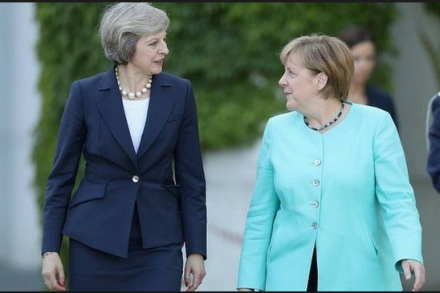
The news that Theresa May offered to do a deal on expats – only to be rebuffed by Angela Merkel – is unsurprising. The Prime Minister has ended up in a pretty bad, unbecoming position on EU nationals using them as bargaining chips in a way that has appalled her critics (and even some of her supporters). So it’s not surprising that she wanted to get this awful business over with in her recent meeting with Merkel. She suggested: let’s just agree an EU-wide deal whereby everyone’s expats can stay where there are. But, again unsurprisingly, Merkel rebuffed her. Before their meeting, Merkel said publicly that they would not and could not talk about Brexit, due to the strict rule on not negotiating in any way until the invocation of Article 50.

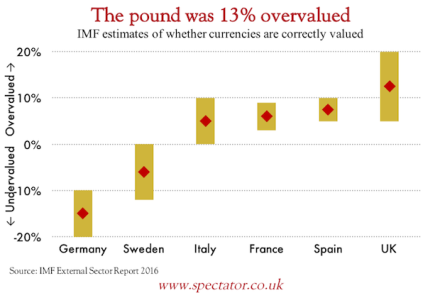
The pound has fallen 13pc. Might the IMF have been right to say it was 13pc overvalued?

When the pound plunged a few weeks ago, Andrew Marr opened his Sunday show by saying that this might be a good thing because ‘it had been too high for too long’. It was a minority opinion, and one not seen much in the hysterical reporting of the pound’s plunge. At the Spectator’s post-Autumn Statement briefing last week, kindly sponsored by Old Mutual Global Investors, we raised this a bit. The pound’s fall might make overseas holidays more expensive for Britons, but it also makes our goods far cheaper for the rest of the world. We worry about a worst-case WTO scenario of 10 per cent tariff on cars, for example, but a 13 per cent currency plunge rather makes up for that. So was the pound overvalued?

How worried is Philip Hammond about Theresa May’s JAMs?

'Theresa May and I have made it clear that we are very committed to returning the public finances to balance,' said Philip Hammond on the Today programme this morning. But his Autumn Statement did the reverse. It abolished the deadline for balancing the books, and talks instead about keeping the overspend to about 2pc of GDP. It’s a significant change, and a move away from austerity. The massive shift in debt, towards 90pc of GDP, is something he is choosing with his £23bn discretionary infrastructure splurge. To govern is to choose and as Nick Robinson rightly said, the Chancellor has chosen infrastructure over extra support for the ‘just about managing’.

Brexit to cut immigration by 80,000 a year – and other OBR observations

Once, journalists trawled the Red Book (ie, the Budget statement) for stories. Now, the Office for Budget Responsibilities does this for us. There will be plenty in it for Brexiteers and Remainers. The former will be delighted that the OBR pretty much trashes the main assumptions made in HM Treasury’s now-notorious dossier on jobs, recession, house prices etc. But then again the OBR estimates a Brexit effect on the deficit: £3bn this year, peaking at £15.4bn in 2018/19. This has delighted Remain campaigners who now, at long last, have ammunition to write about the costs of Brexit - especially if you add the figures together and come up with a £50-odd billion Brexit effect. Expect plenty of this in the papers tomorrow.

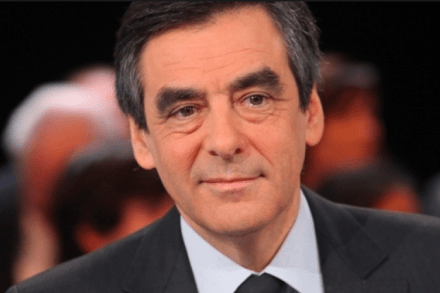
Thatcherism for France: Sarkozy bows out as François Fillon surges in presidency race

So farewell, then, Nicolas Sarkozy. After winning just 21pc of the votes in the primary to decide the conservative candidate (and, most likely, the next French president) he has bowed in favour of François Fillon, his 62-year-old former Prime Minister, who had an unexpectedly good campaign. Just a month ago, Fillon was languishing on less than 15pc in the polls. But he performed well in the debates, surged in the polls and won 44pc of the vote. Next weekend, he will now go up against another Prime Minister, Alain Juppé, who won 28pc.

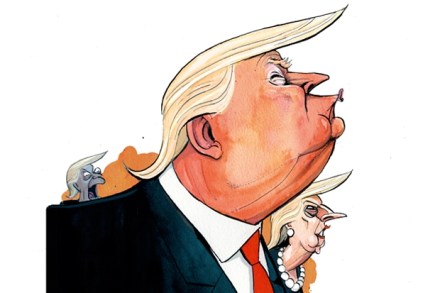
This is the era of Donald Trump – and of Theresa May

Bob Dylan called it pretty much right. When he sang 'your old road is rapidly ageing' he was calling time on an old order that went on to die in 1968. The events of that year ushered in a liberal order, revolutionising social norms, which lasted until Thatcher and Reagan in 1980. The conservative era then returned, sorting out the mess left by the previous era and ending the Cold War: this was the time of battle-hardened leaders, with a battle to fight (and win). Then came the Blair and Bill Clinton era, modified slightly by David Cameron – defined by a ‘third way’ unwillingness to move too far to the left or right. And now, once again, the times they are a-changing.

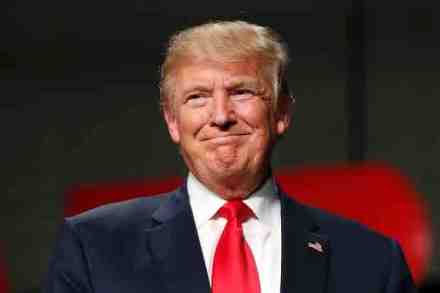
Why do the polls make anyone confident that Donald Trump will lose?

Today’s reports about the confident noises coming from Hillary Clinton’s camp made me think about the reports I picked up about how confident David Cameron was about the EU referendum on voting day. We later found out, his pollster Andrew Cooper had research from his firm, Populus, predicting a ten-point victory. The MPs I spoke to, who had been out campaigning in the field, seemed to agree: after all this fuss, Brexit would all blow over. By lunchtime on polling day, the bookmakers put the odds of Leave at 15pc; they would later sink to 7pc. The noises that I picked up – that noises pretty much everyone in my trade were picking up – hummed the same tune. Just like today. Who, out there, is predicting that Donald Trump will win?

Spectator Parliamentarian of the Year 2016: the speeches

The Spectator’s Parliamentarian of the Year awards, sponsored by Benenden, has already made the headlines. What started out in 1983 as a lunch with two dozen people has turned into the British equivalent to the White House Correspondents' Dinner - where politicians turn up with their best lines, teasing themselves and each other, with results that routinely make the national news. The tone was set brilliantly this year by George Osborne, our guest of honour. His speech was so funny, so searingly sharp, they he set a bar for everyone else. Here it is. Then, the awards kicked off. My own spiel is below - and then that of the winners.

Rent increases are a problem in London – but not, really, for the rest of Britain

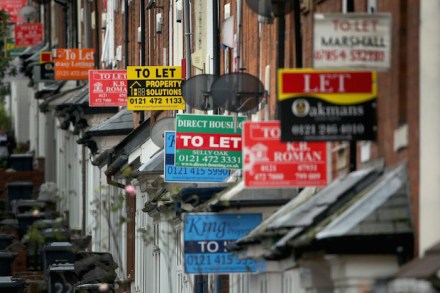
When I made my Dispatches documentary about generational inequality for Channel 4, I was struck by how many of the established facts in this debate fell apart upon scrutiny. Yes, there are many legitimate grievances – which I covered in the film. But some of the supposed ‘nationwide’ problems are, in fact, no such thing. Take the national rent crisis, which led Ed Miliband to fight an election campaign which pitted the supposedly wicked exploitative landlords against tenants. He lost that election, in part because he had allowed himself to be sucked down rabbit hole of social media – and one of Londoncentricity. There are a great many problems facing people outside of the capital, but soaring rents is not really one of them.

GDP data shows strong growth in UK economy after Brexit vote. Who’d have thunk it?

After the Brexit vote, the Financial Times summed up the general mood in the City by running a weekly doomometer, which was expected to chart the impending economic collapse in real time. But after a brief wobble, the economy got back to normal fairly quickly. Soon, the weekly data started to rather contradict the mood of panic – which baffled the various experts, many of whom had by then forecast an immediate recession. Pieces of good economic news were dismissed as deceptive snapshots. And when Q2 GDP came in looking very strong – 0.6 per cent (it was revised up to 0.7 per cent today) – that was dismissed as containing just a few weeks of post-referendum data. The real story, it was said, will come when the Q3 data arrives for July, August and September.

If Zac Goldsmith is standing again, what is the point of his resignation?

Quite a few MPs are driven by a strange need for validation, but Zac Goldsmith might be the first politician in history to ask his constituents to vote for him three times in two years. Once as Mayor (the less said about that tawdry campaign the better) and, it seems, twice as MP for Richmond Park. He always said he’d resign and trigger a by-election if the Government approved Heathrow, as it did this morning. Originally his threat had force because Richmond was a Tory-Lib Dem marginal and his resignation would mean that the Tories would probably lose a seat. It was Richmond’s way of saying to the Tories: 'Yes, we’ll vote for you – but only if people like Cameron and Theresa May are being honest about their opposition to a third runway.

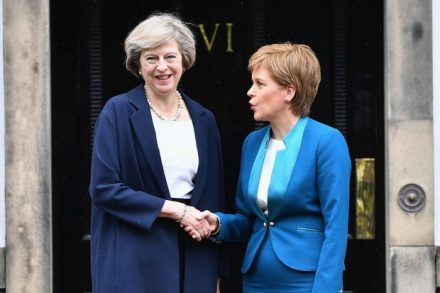
Sturgeon’s secessionist fantasy has been rejected by Europe. So why does she ask Theresa May?

'Downing Street says the PM is set to rebuff calls for a flexible Brexit, which would allow parts of the UK to have their own arrangement,' said the BBC radio news this morning. Not quite. This notion has been rejected in Europe, where the idea of doing some kind of separate deal with Scotland or any constituent part of the UK was never a deal. The 'options' that the SNP talk about do not exist as far as the EU is concerned: it is a giant bluff. It's far from clear why she is asking Theresa May for something that the EU has already rejected.

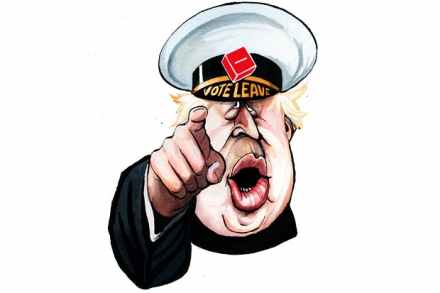
Boris Johnson’s ‘secret’ article is not the smoking gun his critics had hoped for

As part of its preview of Tim Shipman's keenly-anticipated Brexit book, the Sunday Times today reveals draft article written by Boris Johnson intended to make the case for his voting to stay in the EU. The existence of such an article was known, and a lot of his enemies thought it would expose him as a fraud. In fact, the article (full thing here) reads like an advert for Brexit with a pathetic "but I'm still going to back Cameron" bolted on to the end. It purports to balance both arguments, but weighs in far more favourably for Brexit. It's not the first time he describes the case for remaining (he revealed his agony in the Daily Telegraph on 7 Feb). So what's new?

Jolly good show

It’s tempting for a Brit to look over the Atlantic and smugly conclude that, after 240 years, the American experiment of self government has failed — that this ingenious country could not even find two decent people to run for the White House, and has instead laid on a political freak show that’s best watched from behind the sofa. British politics has its faults, we say, but we’re nowhere near as bad as that. But who would be bold enough to say that had Andrea Leadsom not dropped out of the race, Tory members would not have voted her in? And looking at the House of Commons, can we really say that it’s functional? We have no opposition to speak of, thanks to the crisis in the Labour party.

How the triple lock pension pledge went out of control

In my Dispatches documentary on the generation wars, which has just aired on Channel 4, I interviewed Iain Duncan Smith about the pensions triple lock. He thinks it has turned into a monster, and discussed how it led to his resignation. He cut working-age benefits and believed that he had cut to the bone. But he was asked to go further. The ‘triple lock’ – that pensions should rise by earnings, inflation or 2.5 per cent, whichever was the highest – was intended a piece of spin. But when inflation hit zero, that turned out to be one of the most expensive pledges David Cameron ever made.

The truth about young people’s pay? It’s up, significantly, over a generation

Right at the start of filming for Dispatches on the generation wealth gap (8pm on Ch4 tonight), we were working around a striking claim: that the young were so shafted that people in their 20s are earning less now that they were 20 years ago. I asked the Office for National Statistics to check this out and when their figures came back, it was the opposite to what I expected – and to what everyone seems to believe. Not only are the 20-somethings paid more, but their disposable income is up by a third on where it was two decades ago. The idea that the young ones are paid substantially more than their parents contradicts all established wisdom. But the ONS had never released the research before, so no-one knew.

The complicated truth about generational inequality in the UK

I’ve spent the last few weeks making a documentary for Channel 4’s Dispatches on what I regard as one the biggest new arguments of our times: the generation wars. The idea that (as David Willetts famously put it) the ‘baby boomers took their children’s’ future’ – and ‘should give it back’. I’ve been talking to various experts, being heckled at protest marches, wading through research and putting the established wisdom to the test. The result is on Channel 4 documentary:  The Wealth Gap. Only Channel 4 really does documentaries about ideas: the asset bubble, the relationship between wealth and longevity.

Ruth Davidson: why I talk about being gay

The three most magnetic politicians at this year’s Tory party conference are the Prime Minister, the Foreign Secretary and the leader of the Scottish Conservative Party.  I never thought I’d write this sentence but Ruth Davidson’s rise has been quite extraordinary. She has been campaigning for three years now: the Scottish referendum, the general election and Brexit. Now she doesn’t have a big fight planned, but she does still have plenty of energy. I just interviewed her during a fringe meeting to a packed room, and you could see the extent of her appeal. 'The selfie queen', quipped one Cabinet member earlier: she’s the type of politician that gets stopped by people who want their picture with her.

Anti-Tory protest march in Birmingham ends up denouncing Blairites

Who could deny that the quality of the political protest march has improved since Jeremy Corbyn become leader? I went along to one called today in Birmingham to mark the start of the Conservative Party conference. “Tory scum out of Brum” read one banner. There were drums, whistles and even a woman dressed up as Theresa May. Unlike previous "Tories not welcome" marches, this one was very well-attended and pretty good-humoured. There were beautifully embroidered trades unions barriers on display. Even seeing the Communist component of the march made me a little nostalgic: it was like watching a 2016 remake of those BBC documentaries from the 1980s. This being a Corbynista march, we heard much about putting Labour moderates to the sword.