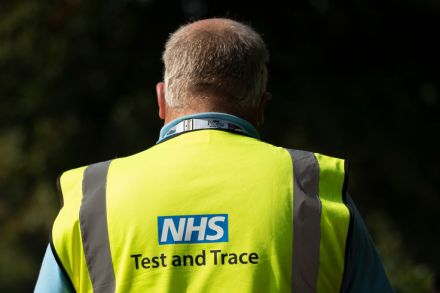
Our testing regime is dangerously flawed – here’s how to fix it
Matt Hancock has announced a £100 billion spending programme for mass population testing — his so-called ‘moonshot' initiative, that would see 10 million tests delivered a day. Does this mean we need rocket boosters under the testing programme, fuelled by vast reserves of taxpayer cash? Thankfully, there could be a simpler and more pragmatic approach that not only saves money but would prevent a lot of harm. There are currently two main problems. The first is a poor definition of what constitutes a case of coronavirus. The second is a testing strategy designed for the wrong point in the pandemic. The government advisory group SAGE estimates that the standard tests used now have a false-positive rate of less than one per cent. But that's quite a big range.